

This month we're reading fiction translated from: German, Danish, Japanese, Swedish, Korean and French.

Lazar
Nelio Biedermann, translated from German by Jamie Bulloch
Lajos von Lazar is brought into this world with the dawn of the new century, and his birth is both a miracle and a curse, his true patrimony a secret he will never know. The Lazars have ruled their Hungarian lands for generations. In their ancient castle by the edge of a dark forest that compels all who enter it to madness, they succumb to every vice and live only to satiate their desires. But the old order is crumbling, and the days of the Hapsburg Monarchy are numbered.
When Lajos inherits, they at last have a baron who can reignite the old splendours, but not even his abilities are proof against the ravages of war and occupation. It will fall to his children – a boy who talks to shadows and a girl who eschews her blue blood – to find a way to stand against oppression and take the first faltering steps towards freedom.
Available 24 March

Vilhelm's Room
Tove Ditlevsen, translated from Danish by Sophia Hersi Smith & Jennifer Russell
'I want to write a book about Vilhelm's room and the events which took place in it, or arose from it; those that led to Lise's death, which I have survived only so that I might write down the story of her and Vilhelm.'
The ripples from a breakup radiate outwards from the room where a married couple once loved each other, and a bizarre Lonely Hearts advert sets off a train of tragicomic events that lead to an inevitable conclusion. Tove Ditlevsen's final novel – published a year before her suicide in 1976 – is a masterful conclusion to a great work of writing: a blackly funny and devastating tour-de-force that pulses with life even as it journeys towards death.
they
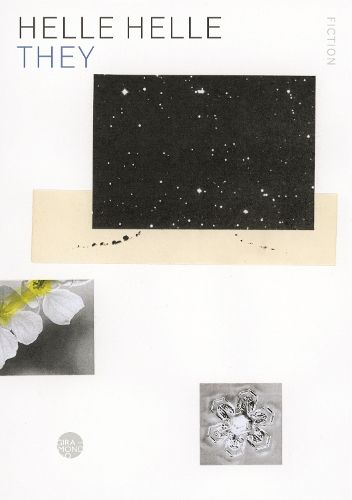
Helle Helle, translated from Danish by Martin Aitken
They, a mother and her sixteen-year-old daughter, live in an apartment above a hairdresser's shop in a small island town. Each day is marked by routine and quiet intimacy. They are so enmeshed, so alike in their manners and opinions, it can be hard to tell them apart.
Then the mother begins to feel unwell. They carry on with their lives, talk about anything but the diagnosis. The mother goes in and out of hospital, and the daughter, just starting high school, makes new friends – Tove Dunk, Hafni, Bob, Desert Boots – but remains essentially alone. Illness, and the possibility of loss, cast a growing shadow over her life.

The Soul Catchers
Naoko Higashi, translated from Japanese by Lucy North
What if you could come back after death to watch over your loved one, installing yourself in a treasured mug, for example, or perhaps your mother's hearing aid, a diary, or even a climbing frame, to feel the clambering limbs of a beloved younger sister?
Eleven recently deceased protagonists find themselves floating in the afterlife where a nameless ghost offers them a joyous reunion with their loved ones. But not as you would expect.
In a world where souls linger restlessly around after death, unwilling to depart, The Soul Catchers is a comforting, witty, and surprisingly sensual take on the Japanese folk belief that objects can be inhabited by human presences. Utterly charming and feelgood, Higashi's classic is an original exploration of our eternal reluctance to let go.
Available 24 March

Body Double
Hanna Johansson, translated from Swedish by Kira Josefsson
As winter descends and the city fills with the scent of woodsmoke, a young transcriber follows the same routine each day. She collects tapes from a ghostwriter's office, stops for an espresso and croissant, and returns home to type out the voices of strangers – stories that will become someone else's novels. Her solitary life is predictable, unremarkable ... until the day she hears something different on the tapes – a message meant only for her.
Across the city, two women, Laura and Naomi, accidentally swap coats at a department store cafe. This brief encounter sparks something electric and strange, and soon, Laura has moved in with Naomi. As the days pass, she begins to mirror her more and more closely – her gestures, her habits, her very essence. Slowly, deliberately, Laura starts to take over Naomi's life.
Meanwhile, the transcriber makes a disturbing discovery: she is beginning to disappear.
Read our staff review here.
Holy Boy
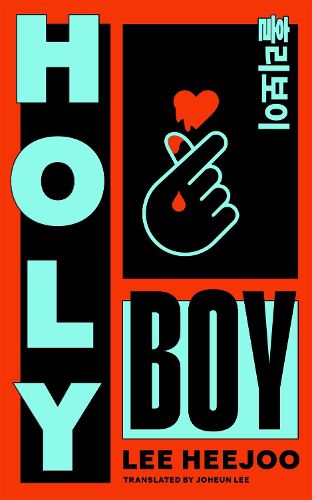
Lee Heejoo, translated from Korean by Joheun Lee
Yosep is the passion of everyone’s dreams. An impossibly beautiful K-Pop idol who inspires religious mania among his millions of fans, he seems so perfect he might not be of this world at all. Sacred, angelic: a Holy Boy.
His devoted followers come to find companionship in their shared obsession. From adoring fans Mihee and Nami, Heeae, who has a mysterious connection to Yosep’s past, to Ahnna, the darkly fanatical ringleader of the group. Each wish to possess Yosep more than the other; save him, protect him, from the shackles of fame. But together, they might be able to achieve it. As their fixation spirals into delusion, secrets come to light and shocking acts are committed.
How far will they go to claim what they desire? Deceit? Kidnap? Murder?

The Winter Warriors
Olivier Norek, translated from French Nick Caistor
November 1939: The Soviet Union, the largest army in the world, invades its tiny, relatively defenceless neighbour Finland, just three months after the declaration of World War II. So begins what is known as the Winter War. A small makeshift company of soldiers, workers, and farmers must face off against columns of tanks and Stalin’s Red Army fighters.
In this propulsive and deeply moving narrative based on the true story of the Finnish infantry division, heroes emerge: the star sniper Simo Häyhä, nicknamed the ‘White Death’; the young men from farms and villages who meet again on the battlefield to fight for their homes; and nurses who must treat old childhood friends. The soldiers go to battle with old guns as their wounds freeze in the unforgiving cold, and yet not only do they resist the Soviet soldiers, but they force the superpower to offer terms for peace only a few months later.
Hooked
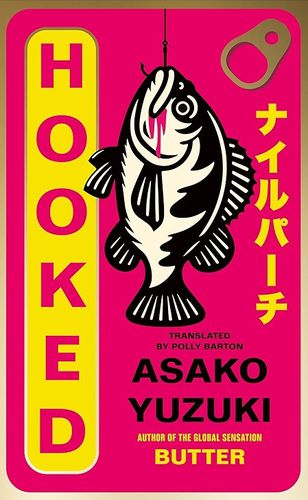
Asako Yuzuki, translated from Japanese by Polly Barton
Eriko's life appears perfect – devoted parents, a spotless apartment and a job in the seafood division of one of Japan's largest trading companies. Her latest project, to reintroduce the controversial Nile perch fish into the Japanese market, is characteristically ambitious. But beneath her flawless surface she is wracked by loneliness.
Eriko becomes fascinated with a popular blog written by a housewife, Shoko. Shoko’s posts about eating convenience store food and her untidy home are the opposite of the typical Japanese housewife’s manicured lifestyle. When Eriko tracks Shoko down at her favourite restaurant and befriends her, Shoko is at first charmed by her new companion. But as Eriko’s obsession with Shoko deepens, her increasingly possessive behaviour starts to raise suspicion. As Eriko’s carefully laid plans begin to unravel, how far will she go to hold on to the best friend that she’s ever had?
Read our staff review here.
