Readings Newsletter
Become a Readings Member to make your shopping experience even easier.
Sign in or sign up for free!
You’re not far away from qualifying for FREE standard shipping within Australia
You’ve qualified for FREE standard shipping within Australia
The cart is loading…


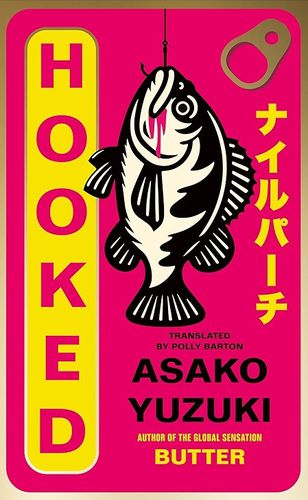
Hooked, Asako Yuzuki’s follow-up to the international bestseller Butter, tackles similar themes of womanhood and domesticity, but amps up the psychological tension for an even more intense thriller.
Eriko is successfully climbing the corporate ladder at a large Japanese trading company and following in her father’s footsteps, but beneath her polished appearance she’s desperately lonely – she’s managed romance but has never been able to make friends as an adult. The inadequacy she feels is soothed by the blog of Shoko, a Tokyo housewife who unselfconsciously shares her similarly friendless life online. But when Eriko manages to meet her idol, the reassuring distraction turns into a consuming passion.
Hooked is a gripping read that had me turning pages in horror to see how far Eriko’s obsession and need for approval would lead her. With chapters from the perspectives of both Eriko and Shoko, we get to see the similar insecurities of the two women and the cracks of misunderstanding that turn their blossoming friendship into a manic, desperate struggle for control.
Rather than the ‘male loneliness epidemic’ that has been a trending topic in past years, Hooked looks at female loneliness and how, amid the domestic and emotional labour expected of women, female friendship can either be a lifeline, or a toxic performance. Throughout the wild journey of this book, Eriko is fixated by the idea of the Nile Perch, an enormous fish that destroys local wildlife wherever it is introduced. Eriko feels for the fish that is only known for the harm it’s done, despite the fact it was human intervention that spread them outside their natural habitat. And if some women are too jealous, too critical, or simply too strange to find or maintain friendship, isn’t that because of the demanding, competitive environment they’ve been forced into?
Ultimately, this is a tragic story of two lonely people, whose discontent and desire for connection drive them to extremes. Though several male characters repeat it throughout the book, Yuzuki isn’t saying that women can’t have authentic, supportive friendships – she’s showing that putting all of your emotional needs on one person, regardless of who that person is, can only lead to disappointment.
Discover more recommendations from our expert booksellers.



Search our extensive online catalogue.