Readings Newsletter
Become a Readings Member to make your shopping experience even easier.
Sign in or sign up for free!
You’re not far away from qualifying for FREE standard shipping within Australia
You’ve qualified for FREE standard shipping within Australia
The cart is loading…


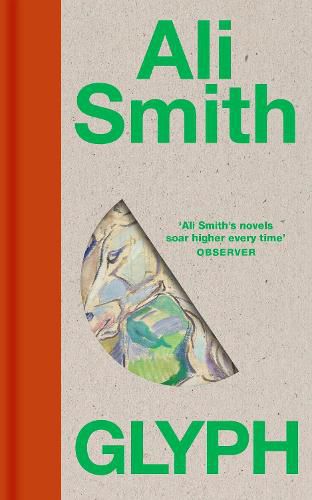
This is the second work in Ali Smith’s two-part project that began with Gliff. The first book, when it came out in late 2024, was one of my top reads for the year, so I have been very much looking forward to Glyph’s release.
It feels appropriate when reviewing an Ali Smith novel to consult a dictionary (in this instance, I’m quoting Merriam-Webster). The word ‘gliff’ is from the Scottish dialect, meaning either a glimpse or a sudden fright. This title feels more than apt for a book that presents us a vision of a supposed dystopian future, which in truth is simply a reframing of our present.
One of the definitions of the more familiar word ‘glyph’ is ‘a symbolic figure or a character’. This is something that Smith, in classic form, makes a metaphorical pun of in the story. The titular character of Glyph is, indeed, a symbol. It was the deciphering of this symbol’s meaning that occupied me for a large part of the book.
It would be a mistake to read this as a sequel, but I still think it important to read Gliff first. Glyph sits in some ways as a reference to its predecessor, and in other ways as context for it. Where the young characters of the first book asked us to look forward, and answer an urgent call to action, the second brings us characters who are mired in a past both personal and historical.
Glyph is definitely a more mercurial work than its predecessor. That it should be a less uplifting read is in keeping with the author’s project, and that we have writers who are ready and able to tackle our times head-on is something we should never take for granted.
Discover more recommendations from our expert booksellers.


Search our extensive online catalogue.