Readings Newsletter
Become a Readings Member to make your shopping experience even easier.
Sign in or sign up for free!
You’re not far away from qualifying for FREE standard shipping within Australia
You’ve qualified for FREE standard shipping within Australia
The cart is loading…


The Readings Podcast is a weekly celebration of books, reading and culture, with author interviews, event recordings, industry insights and more.
You can find us on SoundCloud, Spotify or Apple Podcasts.
In this episode, recorded live at Readings Carlton, a talk and a Q&A session with public intellectual and widely published author Clive Hamilton. Hamilton’s most recent book is Living Hot, a collaborative effort written with George Wilkenfeld. The book tells the blunt truth about our current climate change predicament: it’s time to get cracking on making Australia resilient to intensifying climate extremes. If we prepare well, we can give ourselves a fighting chance to preserve some of the best of what we have, build stronger and fairer communities, find a path through the escalating pressures of a warming world – and even find new ways to flourish.
In this episode, a conversation with Emma Kowal, anthropologist and physician and author of the book Haunting Biology: Science and Indigeneity in Australia. The book recounts the troubled history of Western biological studies and Indigenous Australians. The stories Kowal tells feature a variety of ghostly presences: a dead anatomist, a fetishised piece of hair hidden away in a war trunk, and an elusive white Indigenous person. By linking this history to the contemporary moment, Kowal outlines the fraught complexities, perils and potentials of studying Indigenous biological difference in the twenty-first century.
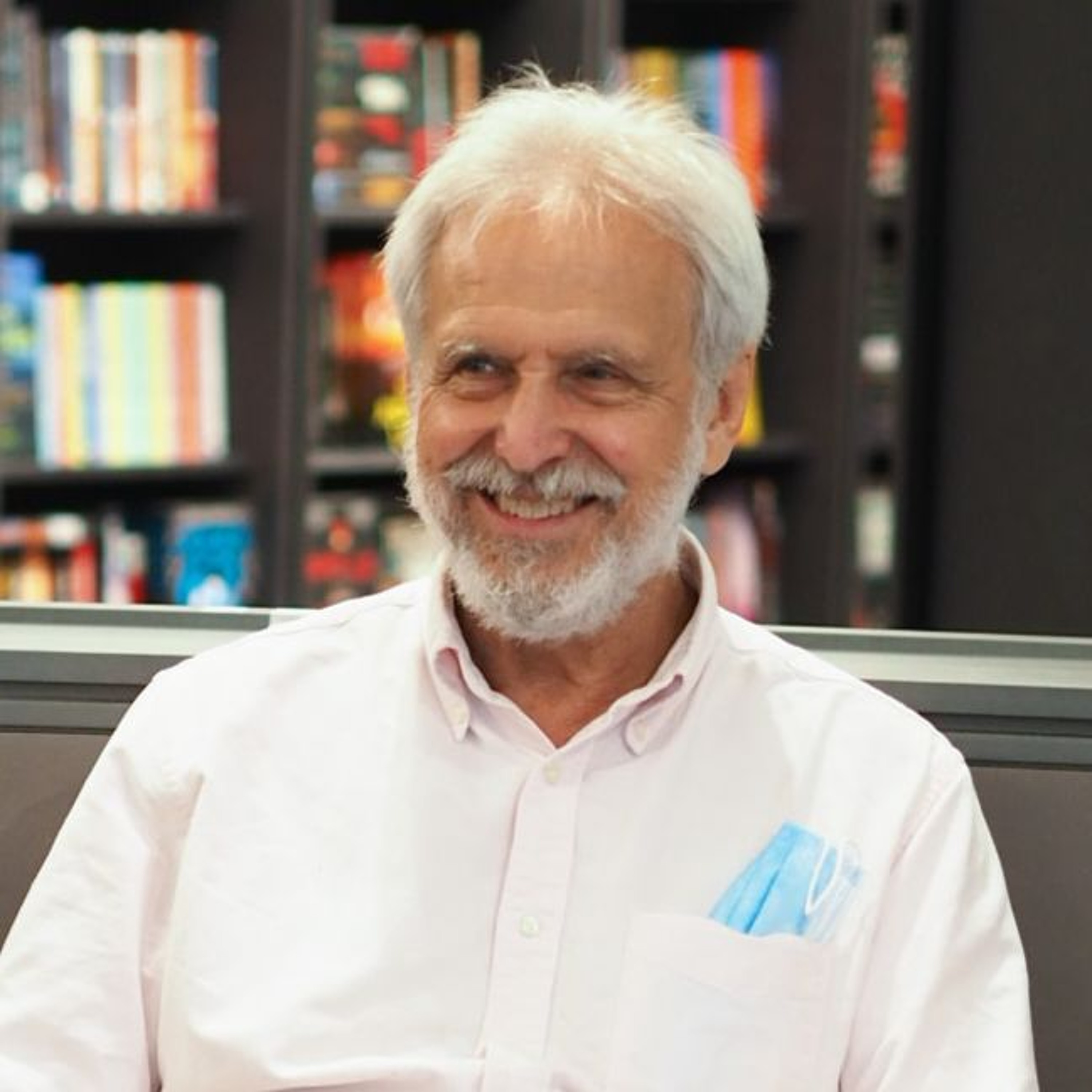
In this episode, something a little different, and a little bit special. Recorded live at the Athenaeum Library in Melbourne, author and literary columnist Jane Sullivan interviewed Mark Rubbo, legendary bookseller, past president of the Australian Booksellers Association, and founding chair of the Melbourne Writers Festival. Of course, Mark Rubbo is also chairman of Readings, formerly Managing Director.
In this episode, a conversation with Francesca de Tores, author of Saltblood. The book is a work of historical fiction; it is a wild adventure, a treasure trove, and it weaves an intoxicating tale of gender and survival, passion and loss, journeys and transformation, through the story of Mary Read, a truly remarkable historical figure.
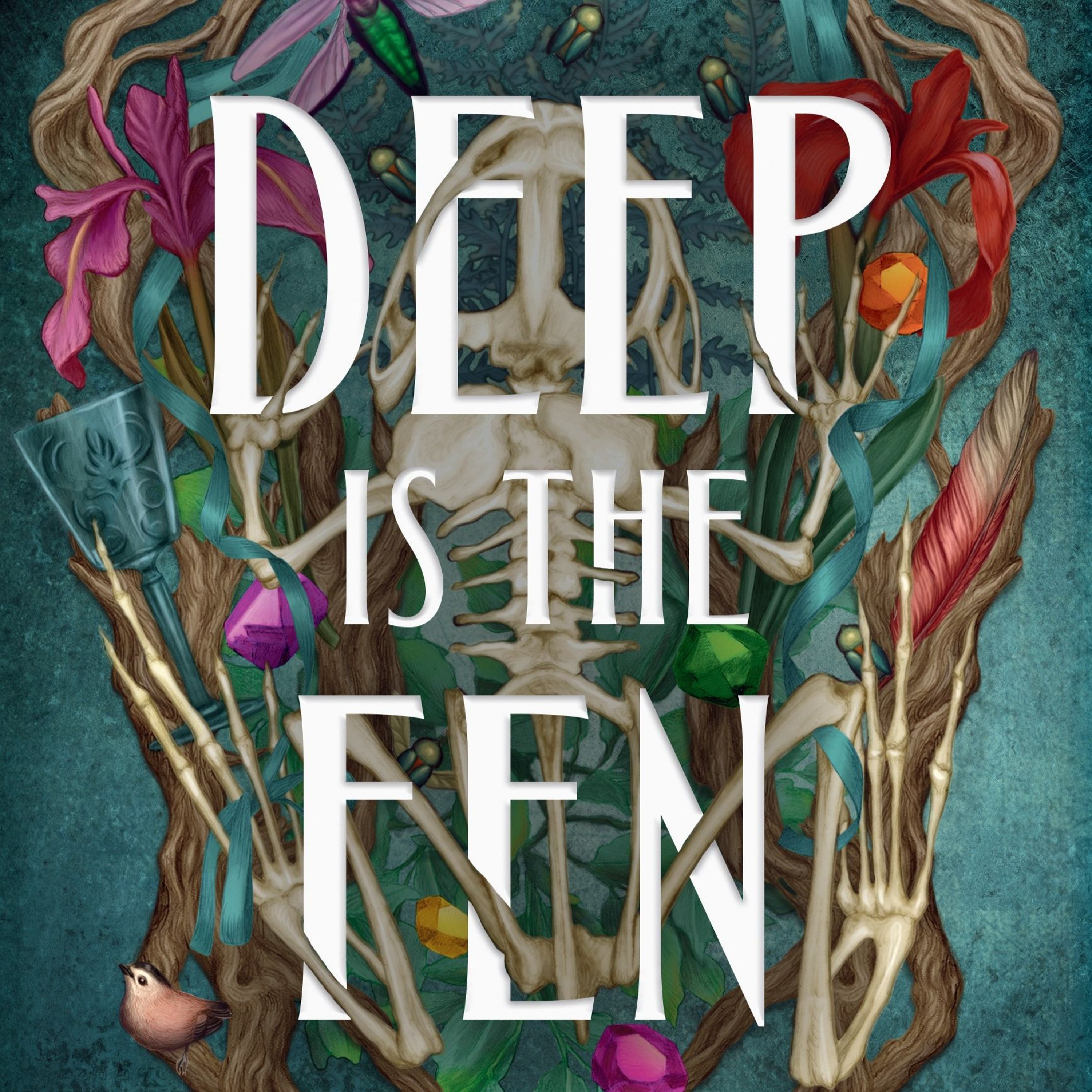
A new instalment of the Readings Kids Podcast. In this episode, Readings Prize and Readings Foundation coordinator Angela Crocombe – who is also senior buyer for Readings Kids – was joined by members of the Teen Advisory Board for a discussion with author Lili Wilkinson. Wilkinson is the award-winning author of nineteen books for young people, including The Erasure Initiative and A Hunger of Thorns. She has a PhD from the University of Melbourne, and is a passionate advocate for YA and the young people who read it, establishing the Inky Awards at the Centre for Youth Literature, State Library of Victoria. Her latest book is Deep is the Fen.
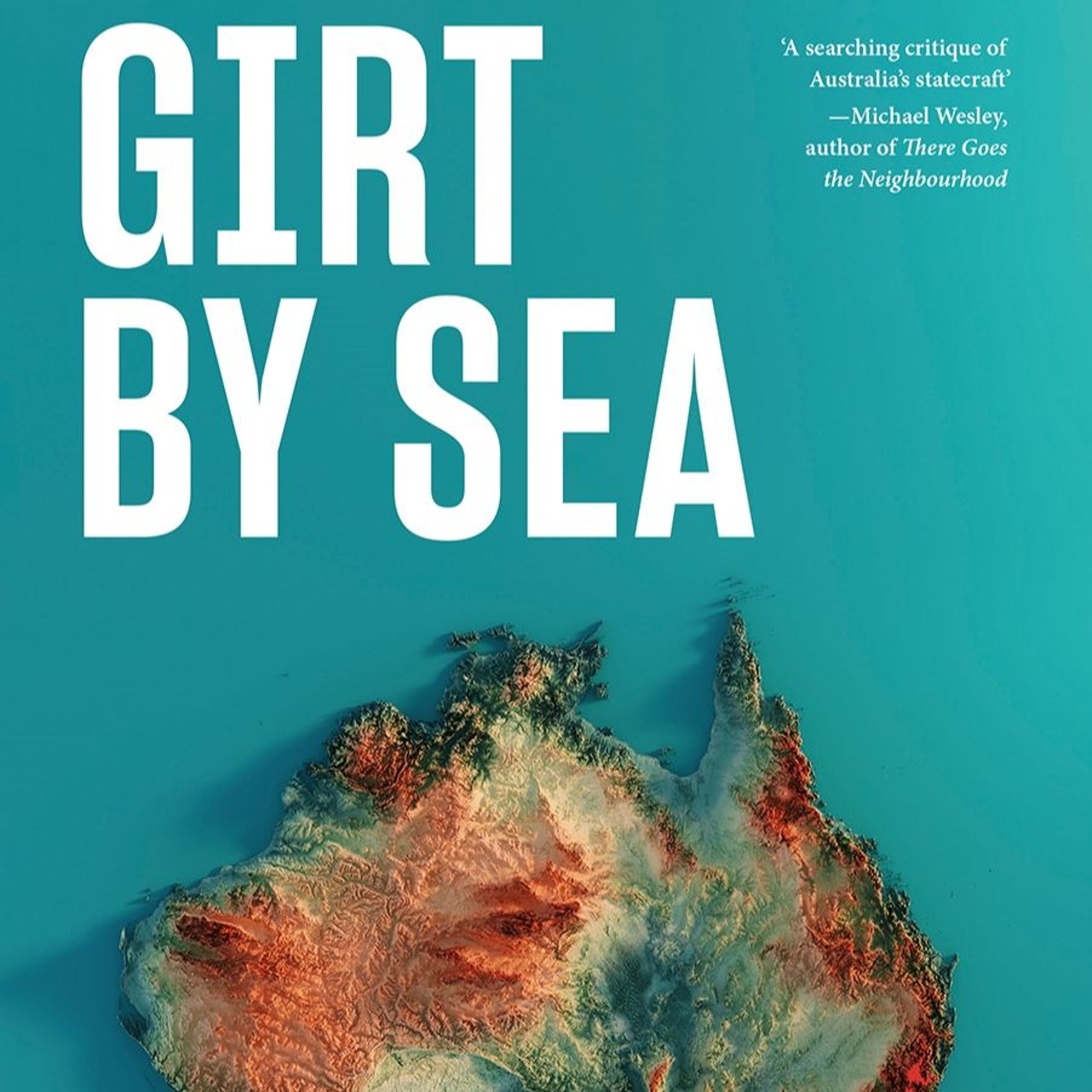
In today’s episode, a conversation with Rebecca Strating and Joanne Wallis, authors of Girt By Sea: Re-Imagining Australia’s Security. Australia has drawn closer to many of its Asia-Pacific neighbours in recent years, but 'when push comes to shove, it continues to look well beyond the oceans and regions that surround it to the distant horizons of Europe and North America for its ultimate security guarantee'. In Girt by Sea, international-relations experts Strating and Wallis instead turn their gazes to Australia's near region, focusing on the six maritime domains central to its national interests: the north seas.

In this episode, a recording taken from the launch of Judith Bishop’s Circadia. These fiercely empathetic poems range deep into the woods of present, past and future time. With visionary imagination and rapt musicality, this concluding volume in Bishop's award-winning trilogy on time sings in the mind long after reading.
In this episode, a conversation with Stuart Kells, author of the new book, Alice(TM). This book is the extraordinary story of Alice Corporation, a company created to reimagine financial markets, that brings together an unlikely cast of characters: renowned author Kate Jennings, international banking insider Ian Shepherd, Enron CEO Jeffrey Skilling, German-born World War II historian Sigrid MacRae, J.P. Morgan deputy chair Roberto Mendoza - and his dog, Stanley.
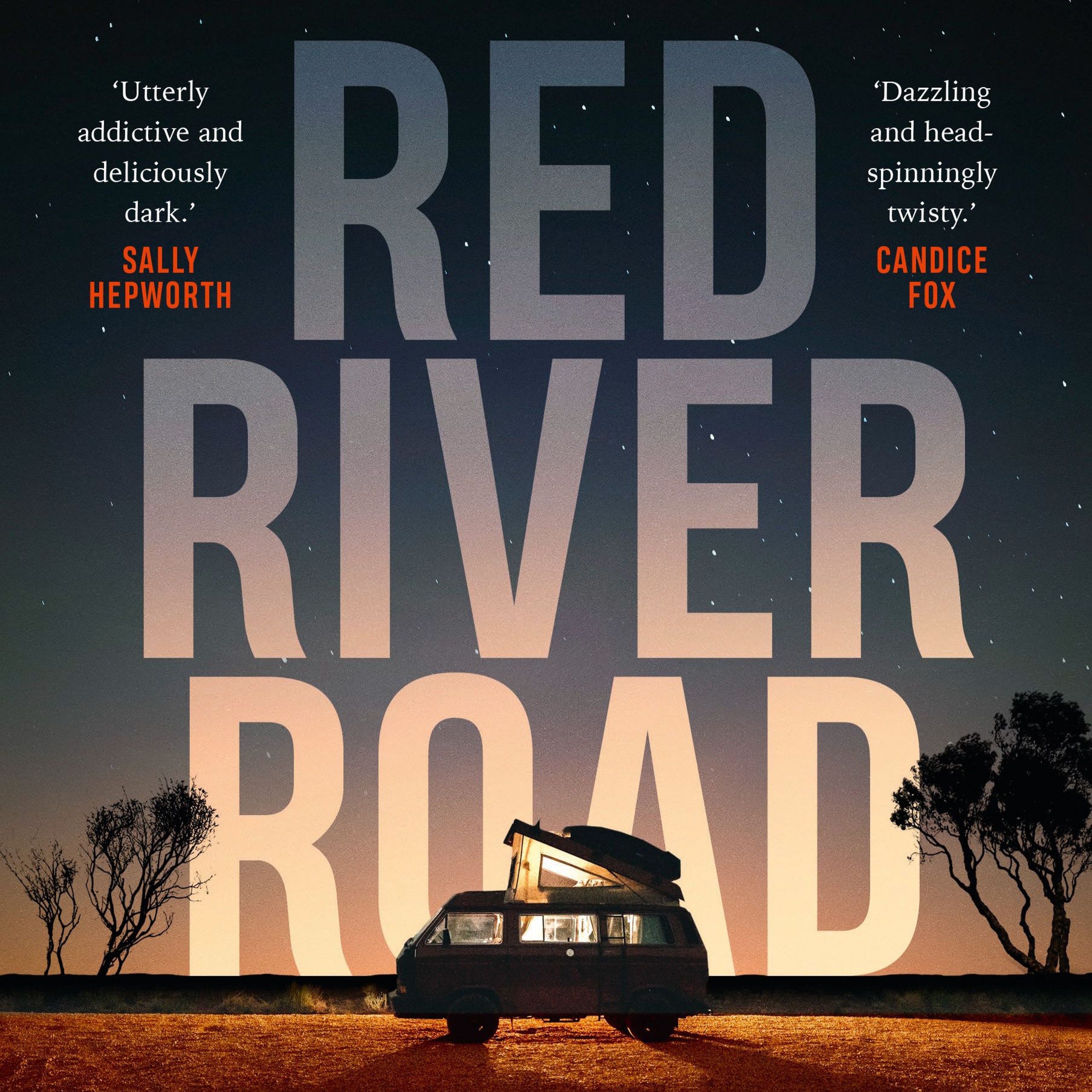
In this episode, a conversation with Anna Downes, author of the crime novels The Safe Place, The Shadow House, and now, Red River Road. In this new book, set on the Coral Coast of Western Australia, solo traveller Katy is on a mission to find her free-spirited sister, Phoebe, who disappeared along the same route a year ago. But as she drives her campervan further into the wild north, Katy realises she's not as alone as she'd first believed. Soon she is pulled into a complicated web of secrets, lies, myths and stories that force her to question everything she thought she knew about her sister. Downes was joined in conversation by Kate Mildenhall, author of the acclaimed novels Skylarking, The Mother Fault, and The Hummingbird Effect.
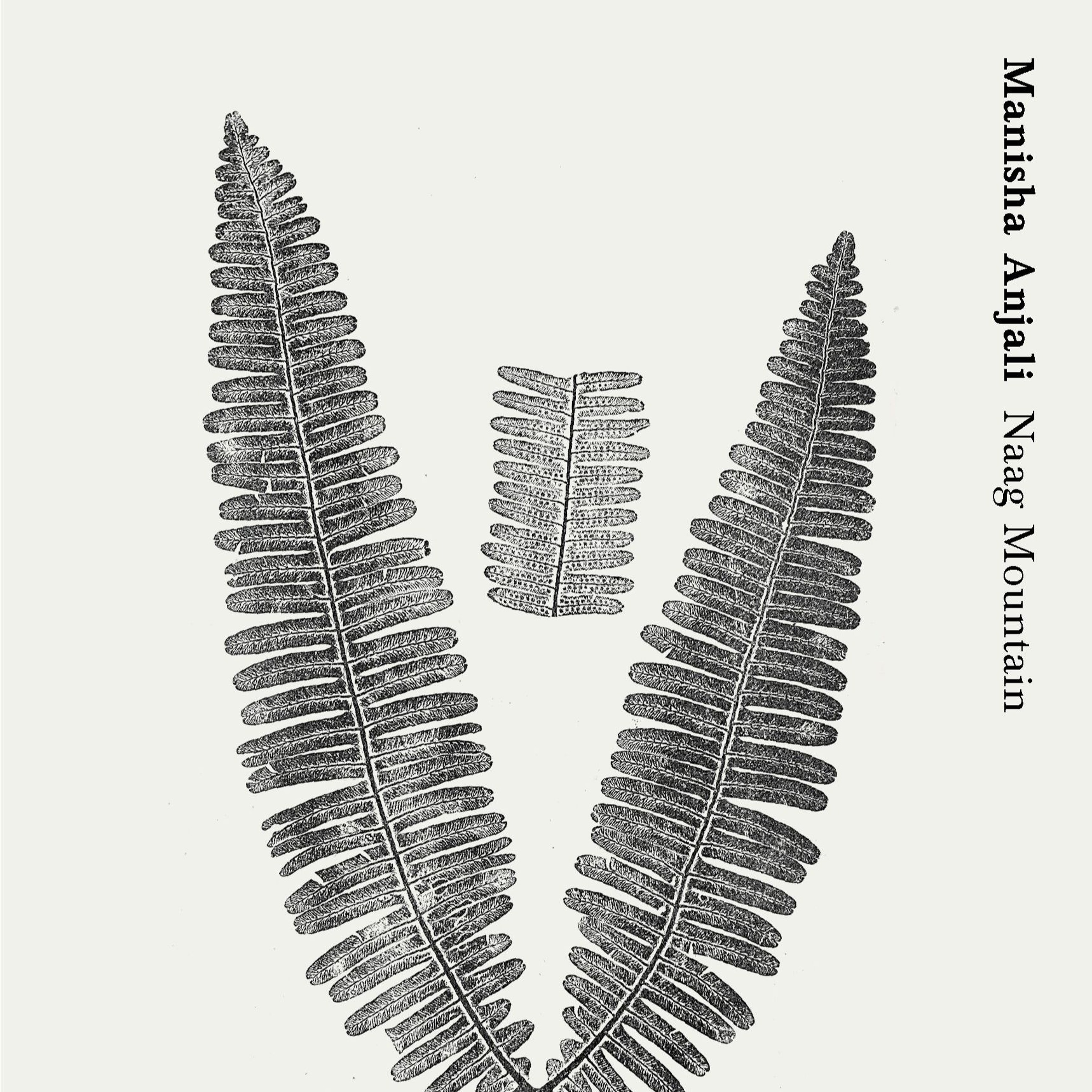
In this episode, a conversation with Manisha Anjali, a writer, artist, and teacher, and author of 'Naag Mountain'. This book is a journey across oceans, from the Asian subcontinent to the South Seas, a journey about human trafficking on sugar plantations in Fiji and Australia. Anjali brings to life the histories and events, the stories and myths of a displaced and exploited people, that have been lost in time or forgotten or hidden from view. Anjali was joined in conversation by Izzy Roberts-Orr, a poet, playwright, broadcaster, arts worker, and a Creative Producer with Red Room Poetry.

In this episode, a conversation with Ouyang Yu, author, translator, academic, and renowned poet. Ouyang Yu’s first collection of stories in English, The White Cockatoo Flowers, is both assured and tender and at times surprisingly funny. It includes stories set in China and Australia that revel in the truth and candour of lived experience and the joys and constraints of language. In this book Ouyang Yu deftly peels back the layers on what it means to move from one culture to another, and what it means to be a writer, a husband, a parent and a stranger on foreign and familiar ground. Ouyang Yu was joined in conversation by Alice Pung, a writer and editor whose books include the memoirs Unpolished Gem, Her Father's Daughter, and the novel Laurinda.
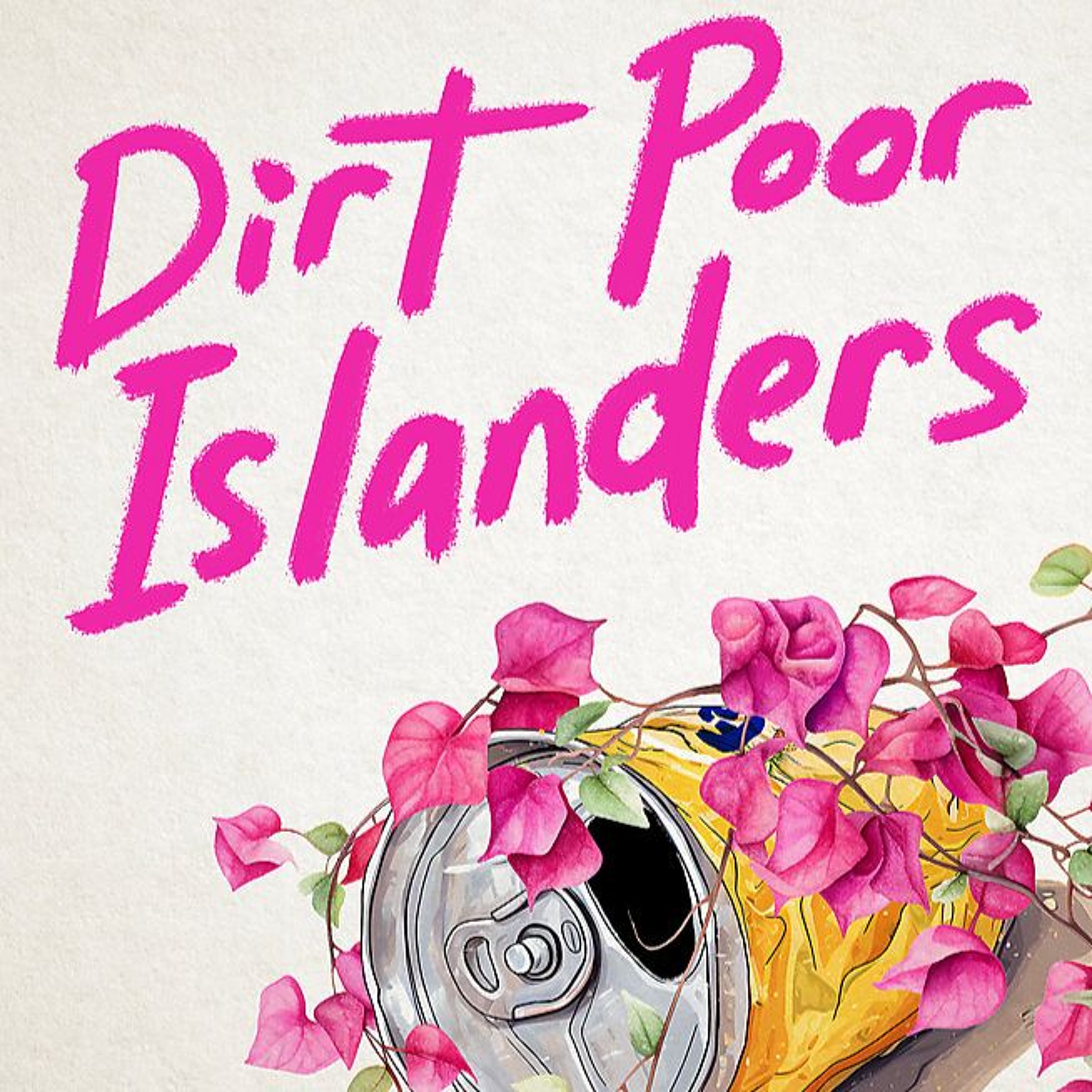
In this episode, a conversation with Winnie Dunn – a Tongan-Australian writer, editor, the General Manager of Sweatshop Literacy Movement, and now author of the novel Dirt Poor Islanders. Dunn’s book is a potent, mesmerising novel that opens our eyes to the brutal fractures navigated when growing up between two cultures and the importance of understanding all the many pieces of yourself. Winnie Dunn was joined in conversation at Readings Carlton by Evelyn Araluen, poet and literary editor. Araluen’s first book, Dropbear, won the 2022 Stella Prize.
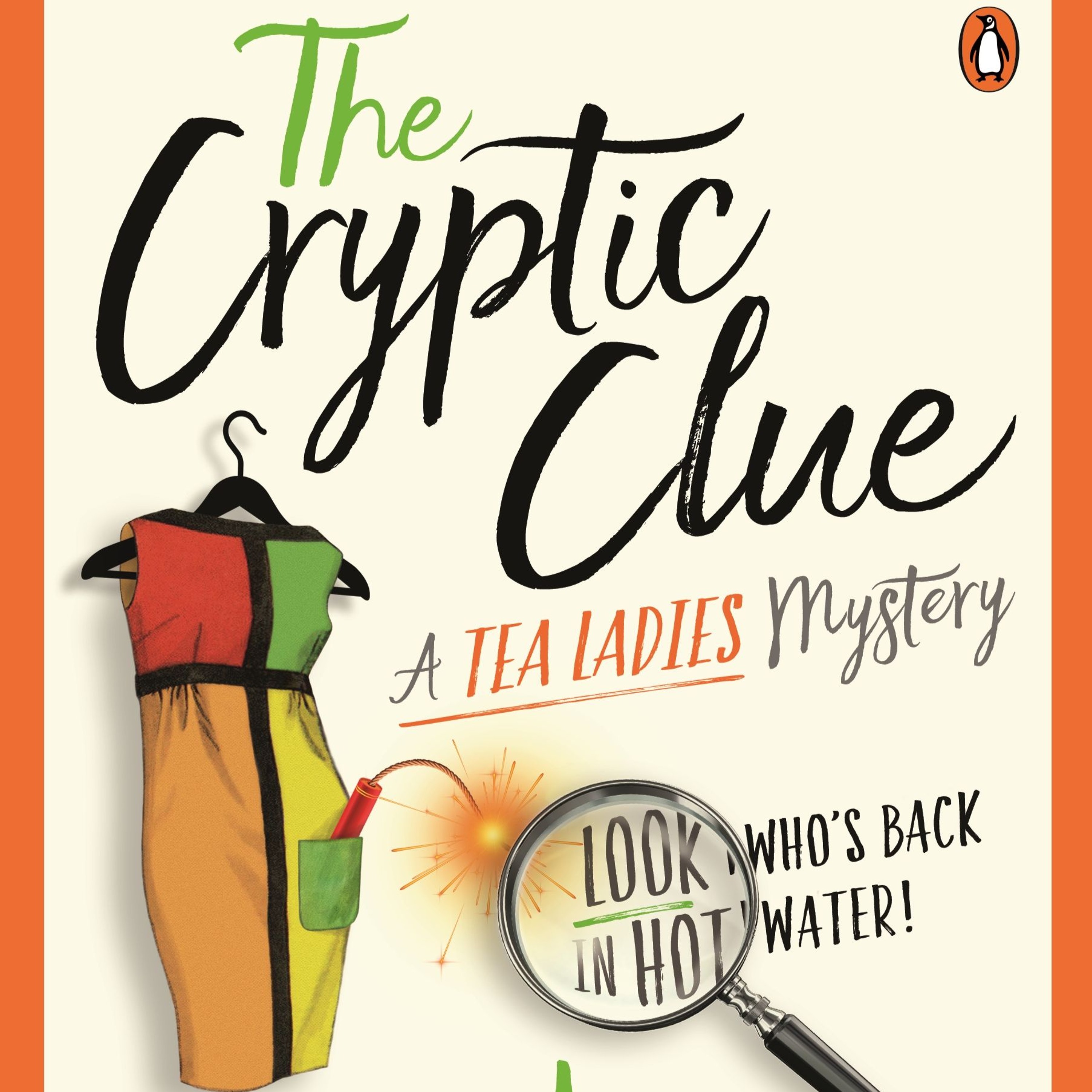
In today’s episode, a conversation with Amanda Hampson, author of the runaway crime novel success, The Tea Ladies. Hampson has returned with a sequel, The Cryptic Clue. It’s set in Zig Zag Lane, in the heart of Sydney's rag-trade district, where our intrepid tea ladies, Hazel, Betty and Irene, have their work cut out. Solving a murder, kidnapping and arson case, and outwitting an arch criminal, earned them the respect of a local police officer. Now he needs their assistance to help solve a plot that threatens national security.
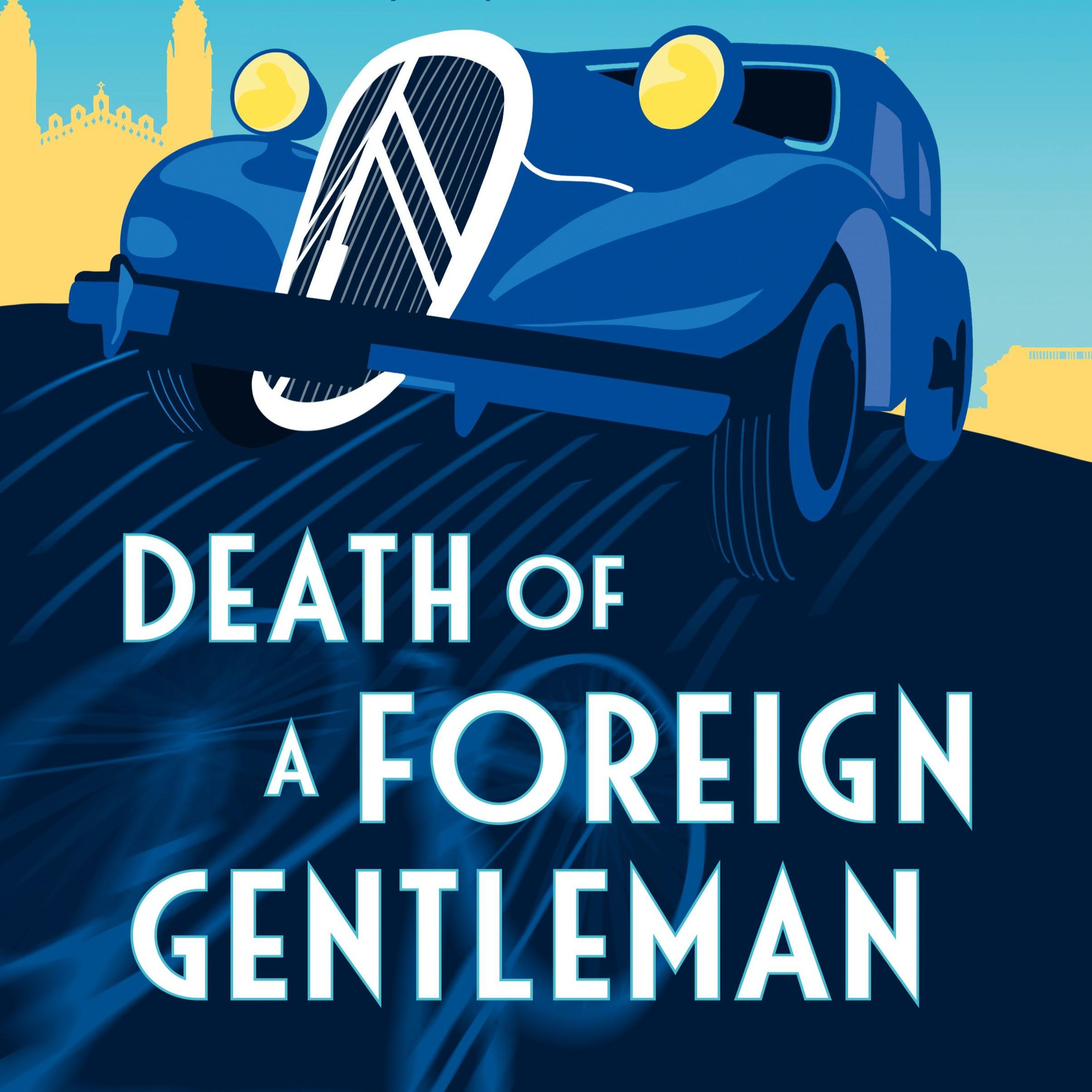
In this episode, a conversation with award-winning writer Steven Carroll, author of Death of a Foreign Gentleman, the first book in a series of post-war literary crime novels featuring Detective Sergeant Stephen Minter. Set in Cambridge in 1947, the book is a playful, poignant and absorbing novel, with shades of The Third Man and Brighton Rock, which examines the question of how to live a meaningful life in an indifferent, random, post-God world.
A new instalment of the Readings Kids Podcast. This episode features some of the members of the Readings Teen Advisory Board engaging in conversation with Tobias Madden, author of the books Anything But Fine and Take a Bow, Noah Mitchell. Madden’s third YA novel, Wrong Answers Only, was recently published in Australia.

In this episode, a conversation with Victoria Vanstone, author of the new memoir, A Thousand Wasted Sundays. The book follows her journey from casual teen drinking to black-outs, boozed-up play dates to learning to live without her reliable social crutch. But it’s not a tale of misery and trauma, it’s the relatable story of a very normal woman with a very ordinary, socially acceptable drinking habit – and how therapy, and the support of her husband and friends eventually lead her to lasting sobriety and a new perspective on life.
In this episode, a conversation with author Sandra Goldbloom Zurbo, recorded live at the launch of her memoir, My Father’s Shadow. Zurbo grew up in thrall to her father, a prominent antiwar activist, brilliant political organiser and covert member of the Communist Party. She adopted his beliefs from an early age, becoming a supporter of the Soviet Union and a peace campaigner. She travelled with him, meeting figures such as Indonesian president Sukarno, and greeted Paul Robeson and North Korean delegates with him at home. But her father could be withholding and difficult. He had a sharp backhand and was not always a faithful husband. When Sandra entered adulthood and began to navigate a patriarchal world of work and relationships, she came to question aspects of her father’s worldview. As the communist ideals of the Left were tested and faltered over the Soviet Union, the mood of the times gradually shifted to embrace the counterculture. Sandra, living and working amid the swirl of Melbourne’s arts and political scenes, absorbed ideas about women, family and Jewish culture that often led to tense conversations with her father. My Father’s Shadow is a portrait of life on the Left during a time of great social change. Lyrical, sharply observed and affecting, it is a candid exploration of the fraught dynamics between father and daughter – and, ultimately, the love that underlies them.
An instalment of The Comics Question, a series where Bernard Caleo and I discuss comics, graphic novels, and all manner of illustrated books, zines, and other associated productions. In this episode, Bernard Caleo was joined by Readings bookseller Nick Curnow to give a round-up of some of the most intriguing, beautiful, and thought-provoking comics and graphic novels from 2023. This is part two of two, so do check out the first instalment of this particular conversation.
In this episode, a conversation with journalist and author Marina Kamenev, author of Kin: Family in the 21st Century. While the nuclear family still exists, many more types of kinship surround us. Kin is an investigation into what influences us to have children and the new ways that have made parenthood possible. It delves into the experiences of couples without children, single parents by choice and rainbow families, and investigates the impacts of adoption, sperm donation, IVF and surrogacy, and the potential for a future of designer babies. Assisted reproductive technology has developed quickly, and the ways in which we think and speak about its implications — both legally and ethically — need to catch up. This book is an incisive and powerful look at how families are created today, and how they might be created in the future.
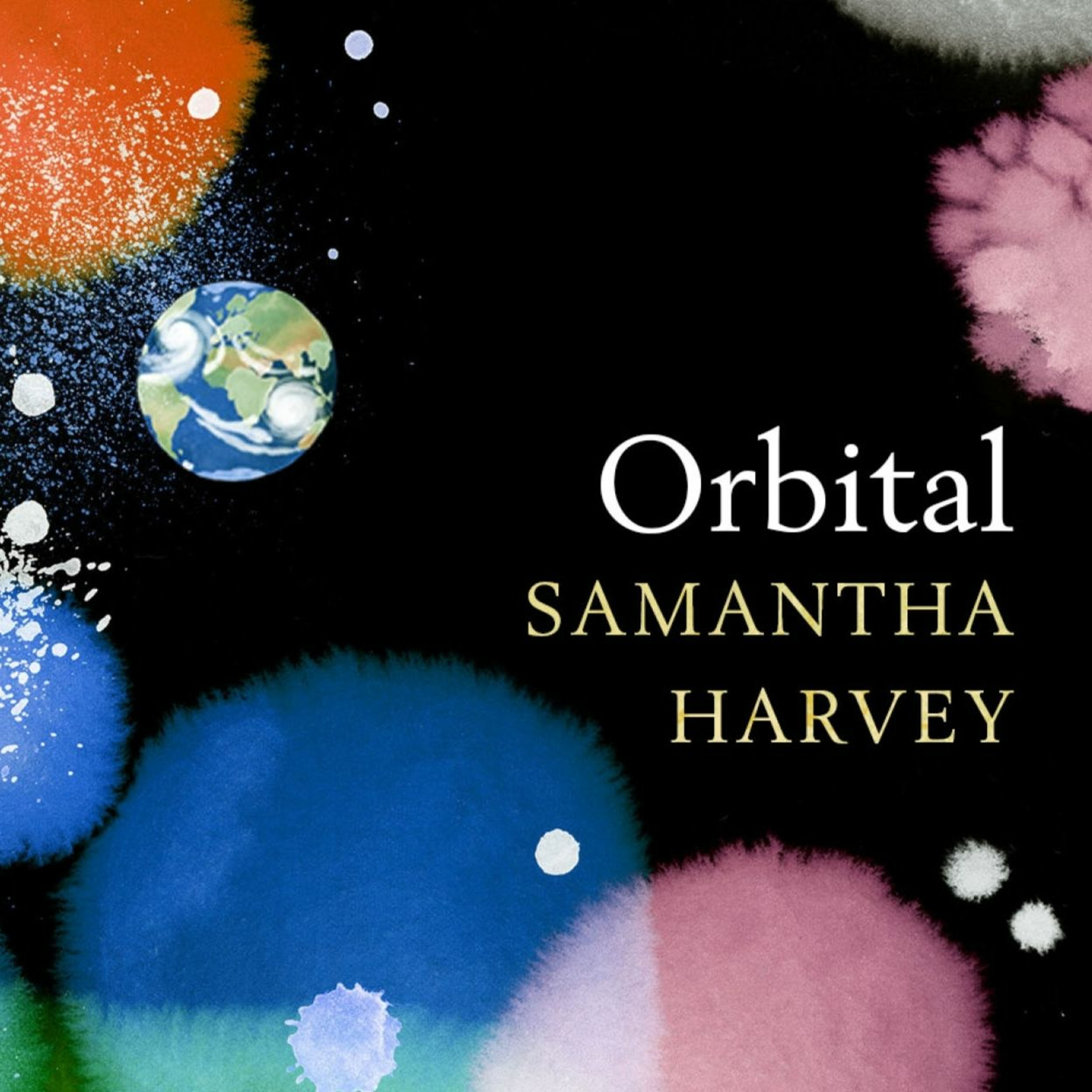
In this episode, a conversation with Samantha Harvey, author of Orbital. This is life on our planet as you’ve never seen it before: in this spellbinding and uplifting novel six astronauts rotate in the International Space Station. They are there to do vital work, but slowly they begin to wonder: what is life without earth? What is earth without humanity? Together they watch their silent blue planet, circling it sixteen times, spinning past continents, and cycling through seasons, taking in glaciers and deserts, the peaks of mountains and the swells of oceans. The fragility of human life fills their conversations, their fears, their dreams. So far from earth, they have never felt more part - or protective - of it. Samantha Harvey’s previous books include The Wilderness, All is Song, Dear Thief and The Western Wind and a work of non-fiction, The Shapeless Unease: A Year of Not Sleeping. Her work has been longlisted for the Booker Prize, and shortlisted for the James Tait Black Award, the Women's Prize, and the Guardian First Book Award.
In this episode, a conversation with Mykaela Saunders, author of a new collection of short stories, ‘Always Will Be’. Saunders is a Koori/Goori and Lebanese writer, teacher and researcher, and the editor of This All Come Back Now, the Aurealis Award-winning anthology of First Nations speculative fiction. Saunders has been awarded numerous prizes for their writing, including the 2022 David Unaipon Award, and this most recent work draws from stories written from the past couple of years into a collection that poses the question: what might country, community and culture look like in the Tweed Valley if Gooris reasserted their sovereignty?
An instalment of The Comics Question, a series where Bernard Caleo and I discuss comics, graphic novels, and all manner of illustrated books, zines, and other associated productions. In this episode, Bernard Caleo was joined by Readings bookseller Nick Curnow to give a round-up of some of the most intriguing, beautiful, and thought-provoking comics and graphic novels from 2023. This is part one of two, so do subscribe to be notified when the second instalment of this particular conversation is made available.
In this episode, a conversation with Sonny Jane Wise, a trans, multiply neurodivergent & disabled public speaker, advocate and author. Wise’s most recent book, We’re All Neurodiverse, is an affirming and thoughtful guide to how and why we need to fundamentally shift our thinking about neurodivergent people. Through interviews, narratives, and the lens of their own raw experiences, they consider how current systems and structures that impact neurodivergent people are rooted in outdated capitalist and racist frameworks, and how these need to change and adapt to be neurodiversity affirming. Powerful and persuasive, this book is a clarion call for a kinder and more neurodiversity affirming society.
In this episode, a conversation with the new Executive Director and CEO of Stella, Fiona Sweet. Stella is a major voice for gender equality and cultural change in Australian literature. Founded in 2012, the organisation’s flagship program is the annual Stella Prize – a major literary award celebrating Australian women’s writing. Stella also delivers a suite of year-round initiatives which actively champion Australian women writers, tackle gender bias in the literary sector, and connect outstanding books with readers.
In this episode, a conversation with Jeanine Leane, Wiradjuri poet, writer and academic. Author of the acclaimed novel Purple Threads, winner of the David Unaipon Award, Leane’s poetry has also been widely awarded and commended across an extensive career as both a writer and a teacher. Her newest book, the poetry collection Gawimarra: Gathering, moves from deeply tender meditations on Country, culture and kinship, to experimental archival poems dissecting the violence and destruction of the settler-colony. This special book is the result of decades of poetic, political, and cultural work and reflection.
In this episode, a conversation with Alex and Stephanie Miller, discussing Miller’s most recent book, A Kind of Confession. The book is a secret look into Alex Miller's writing life, spanning sixty years of creativity and inspiration. As a young man in 1961 Miller left his work as a ringer in Queensland and set out to achieve his dream of becoming a serious novelist. It was not until 1988 that his first novel, Watching the Climbers on the Mountain, was published. Twelve more novels would follow, all bestsellers, many published internationally. This selection from his notebooks and letters makes it exhilaratingly evident that Miller has been devoted to finding and telling stories that are profound, substantial and entertaining, stories that capture both intellect and emotion. Miller's fascinating life is told in a personal, behind-the-scenes exploration of his struggle to become a published writer, his determination, his methods of creative thought and the sources of his inspiration. His writing, sometimes in anger and despair, sometimes with humour and joy, whether created for publication or for private meditation, is alive with ideas, moral choices, commentary, encouragement, criticism and love.
In this episode, a conversation with Damien Linnane: writer, artist, and editor of Paper Chained, an art and writing magazine for prisoners. Linnane’s memoir Raw chronicles a childhood marred by physical and sexual abuse, and a man’s subsequent search for identity in unhealthy places, such as violent gangs and the military.
In this episode, a conversation with Helen Hayward, academic, writer, and author of Home Work. When Helen Hayward had her two children in London, 25 years ago, she found looking after them easy. Loving and looking after her kids was straightforward. However loving and looking after her home was not. She had long been instructed to put her career first. So she did. Yet what to do with the mushrooming laundry by the bathroom door? And what about if she actually liked cooking? Home Work is a series of personal essays motivated by three questions.
In this episode, a conversation with Sam Sempill, chef, architect, and now author of Eat Lao: Recipes from a Lao Kitchen. The recipes in this book follow the trail of Sam's grandmother's cooking back to Lao. The food her grandmother cooked has remained a constant in Sam's life, providing her with a connection back to a country she left as a child. They celebrate the uniqueness of the Lao food tradition. Each recipe, like the scent of a signature perfume, evokes memories of a certain moment in time, and tells the story her family's journey from Lao to Australia. The recipes in this book aim to keep those memories alive and to share the unique flavours, joy and love of cooking from a Lao kitchen.
In this episode, a conversation recorded at the launch of Raimond Gaita’s Justice and Hope: Essays, Lectures and Other Writings. For more than three decades the incomparable voice of Raimond Gaita has been summoning us to new conversations that deepen our understanding of what matters most to human life and awaken the sense of our common humanity. For Gaita, we are never more fully alive than when we are fully present to one another in conversation. In a time when modes of communication tend to superficiality and self-promotion, when political debates are increasingly inured to lies and even violence, and the moral demands of dialogue give way to a torrent of competing monologues, Gaita's invitation to rediscover what genuine conversation requires of us could not be more timely. Gaita was joined in conversation by Maria Tumarkin.
In this episode, a conversation with Melbourne's favourite historian, Robyn Annear. In Corners of Melbourne, Annear takes us on an unorthodox tour of the city's streets and corners, telling stories about the events and people that have made these the most interesting places to be. In this (appropriately corner-shaped) book she will introduce you to - street-corner 'galvanisers' who offered the thrill of electric shock at threepence a time, the rude boys of the Fitzroy back streets who became the original 'larrikins' infants named for the corners on which they'd been abandoned, a rogues' gallery of unruly women, incorrigible men and runaway horses ... and, of course, the civic reprobates who discarded orange peel in the streets, to the risk of life and limb.
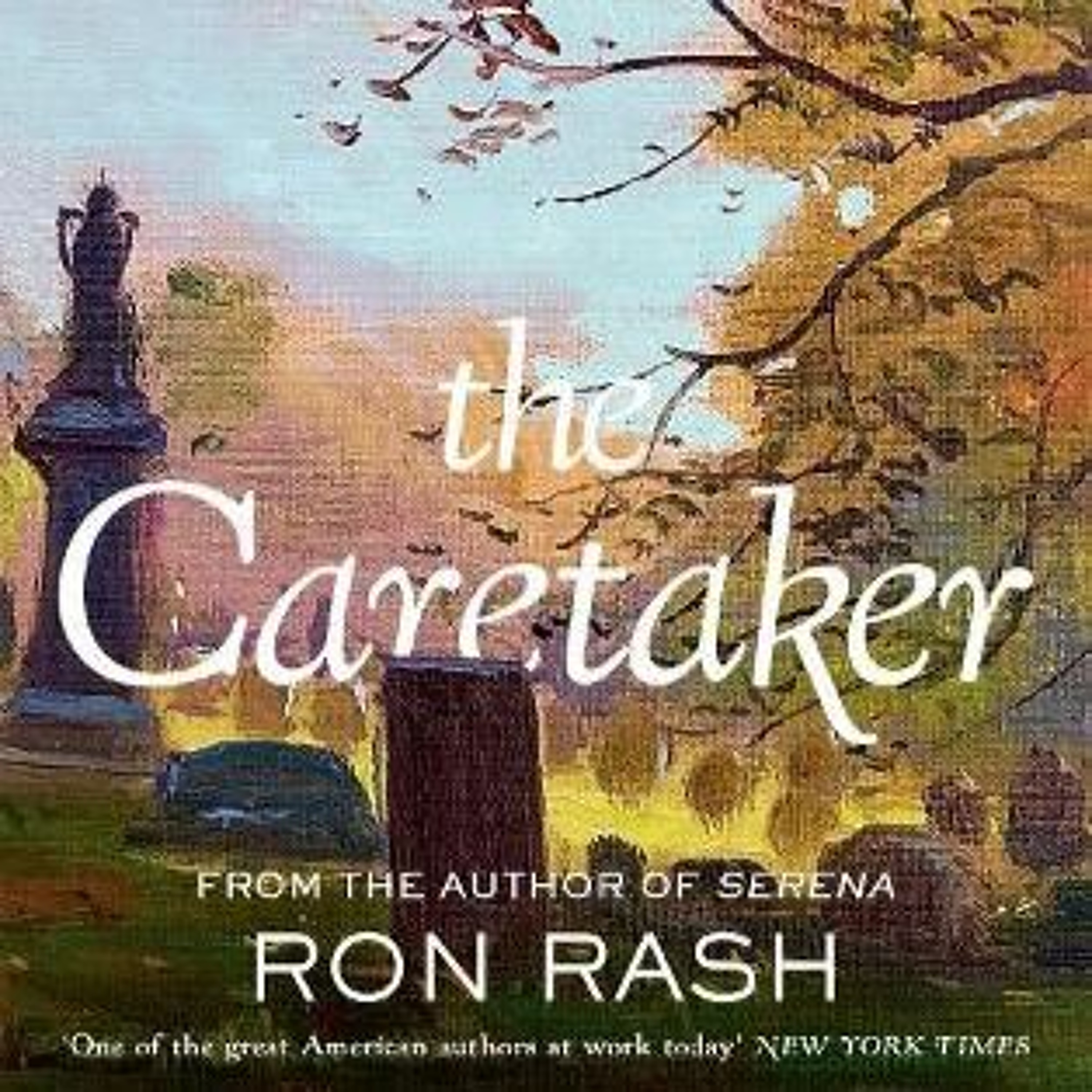
In this episode, a conversation with Ron Rash, author of The Caretaker. It is 1951; the close-knit community of Blowing Rock, North Carolina, does not welcome those who are different. Jacob Hampton’s wealthy parents disinherited him when he married Naomi, an uneducated hotel maid from out of town. They had bigger plans for him. Now Jacob has been called up to fight in Korea, leaving a pregnant Naomi behind. The only person he can entrust to take care of her is his lifelong friend, Blackburn Gant. The titular Caretaker, tending the local cemetery alone, is an outsider too, his appearance irrevocably altered by childhood disease. Slowly the two outcasts grow closer, their friendship blooming under small acts of kindness. Then, as they await news of Jacob’s return, a terrible, shattering act of deception derails all their lives. Ron Rash is a poet, novelist, writer of short stories, and an educator, holding the Parris Professorship in Appalachian Cultural Studies at Western Carolina University, teaching poetry and fiction. The Caretaker is his eighth novel, and he has produced four collections of poetry and numerous volumes and contributions of short stories, as well as a children’s book. Nominated for and winner of many awards across his career, he’s been twice a finalist for a PEN Faulkner award.
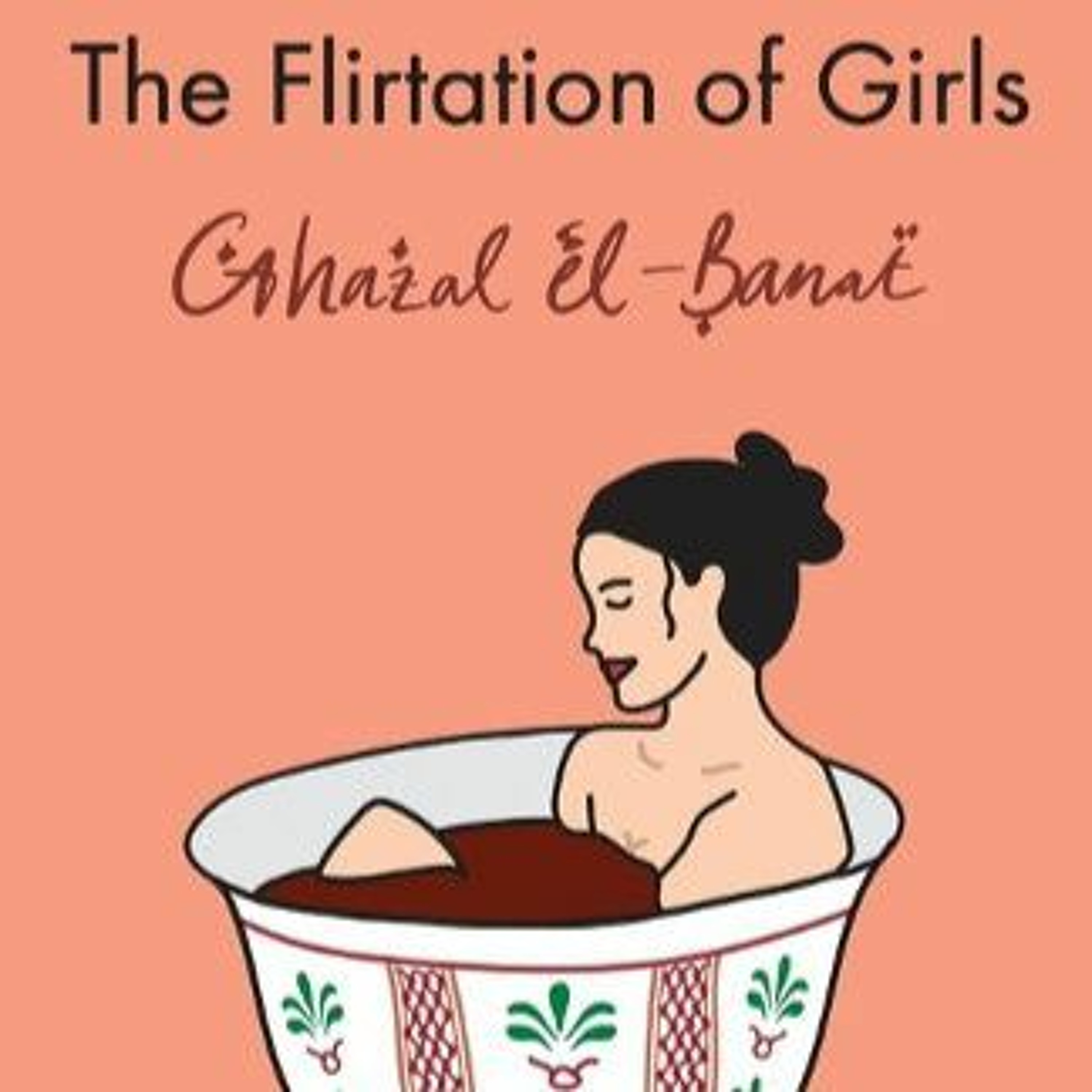
In this episode, a conversation with Sara M Saleh, author of the new poetry collection, The Flirtation of Girls/Ghazal el-Banat. Saleh is not only a poet; she is a human rights lawyer, and is the author of a novel, Songs for the Dead and the Living, which was published only a couple of months ago. Saleh is the daughter of Palestinian, Lebanese and Egyptian migrants, a lineage very much alive in her work, advocacy, and craft. She also co-edited the 2019 anthology Arab, Australian, Other: Stories on Race and Identity, and Saleh is the first and only poet to win both the Peter Porter Poetry Prize and the Judith Wright Poetry Prize.
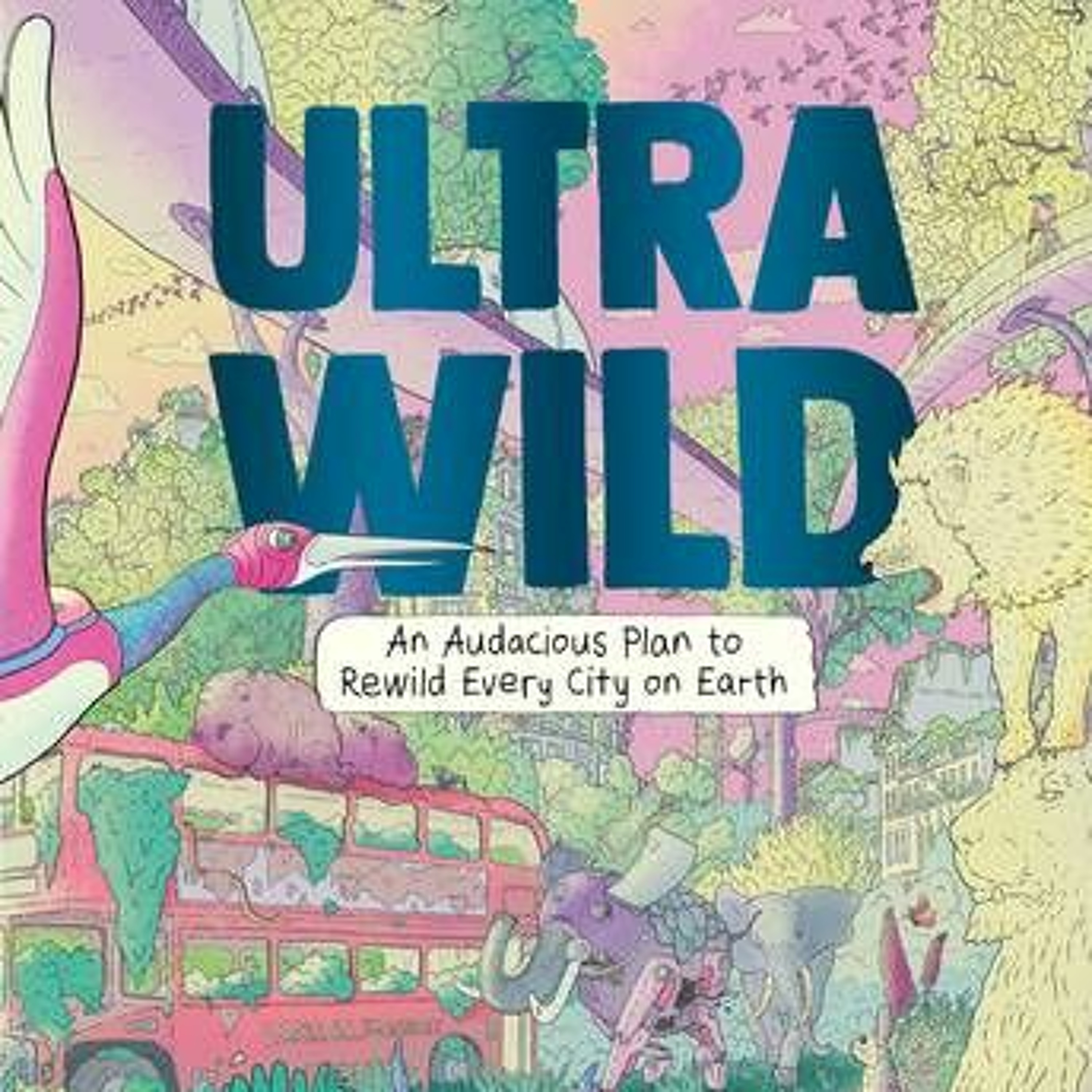
In this episode, another instalment of The Comics Question, with Bernard Caleo. Bernard spoke with Steve Mushin, an industrial designer, illustrator and inventor, and, writer and illustrator of Ultrawild: an illustrated science and design book about tackling climate change with hilarious engineering ideas and extreme rewilding. Ultrawild has been created in collaboration with experts ranging from climate scientists and marine biologists to mechanical engineers and soil scientists. The book contains over 100 ludicrous sounding, scientifically possible inventions illustrated with over 1000 drawings. It’s packed with curious facts on everything from how plants and fungi share resources and the soil engineering power of megafauna, to insect and mechanical flight, high-tech microbe-powered toilets and the carbon-sequestering power of algae. Ultrawild is an optimistic book about creative thinking and the potential for change. Filled with laugh-out-loud design-ridiculousness, it aims to empower and excite a new generation of designers, scientists, engineers and wild thinkers.
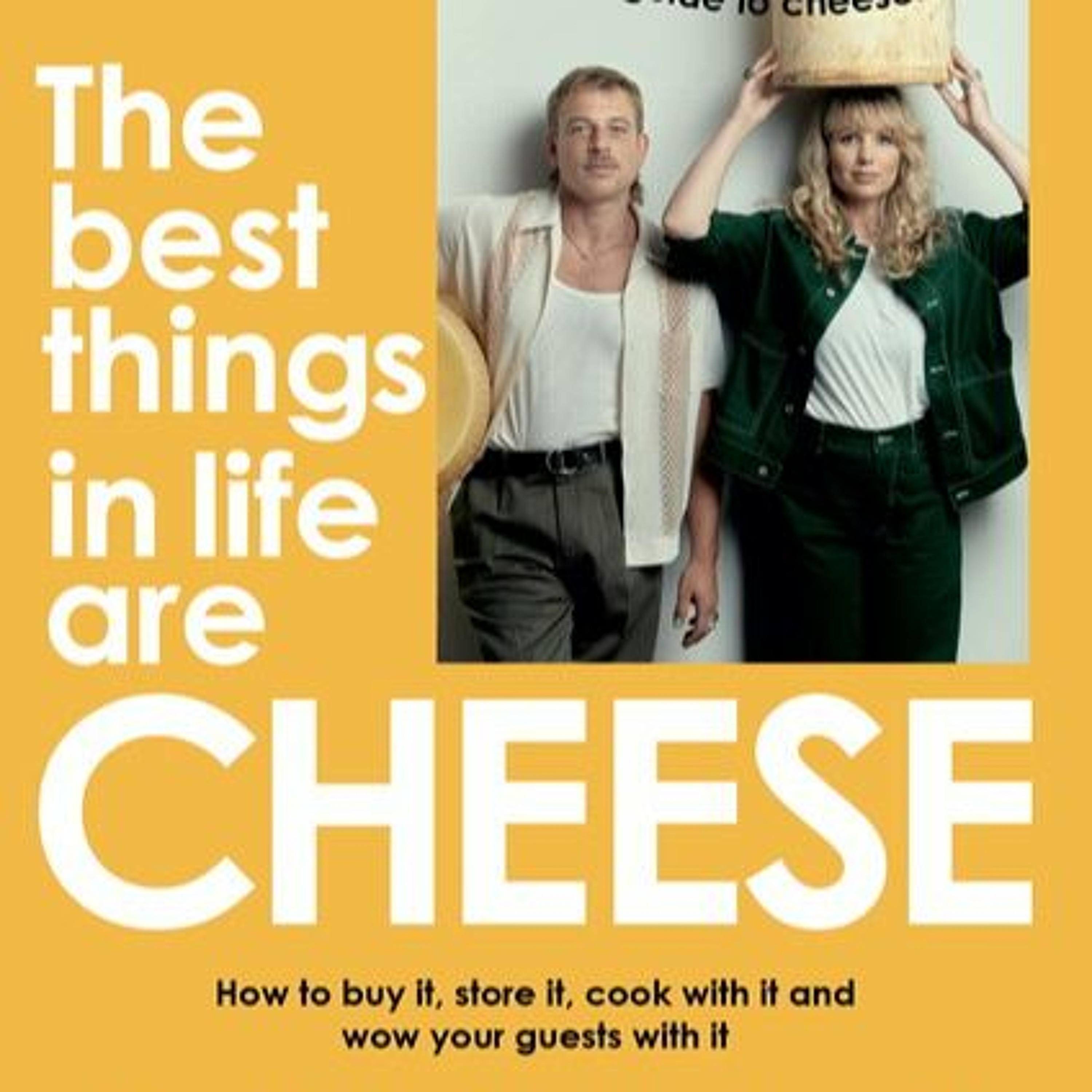
In this episode, a conversation with cheese experts Ellie and Sam Studd, authors of The Best Things In Life Are Cheese. In this new book, they share their wealth of knowledge and all the practical info you need to up your cheese game, guiding you through the key categories of cheese – from blues and washed rinds to fresh cheeses such as mozzarella – telling the story of each, explaining how they are made and sharing tasting notes for their favourite cheeses in each category.
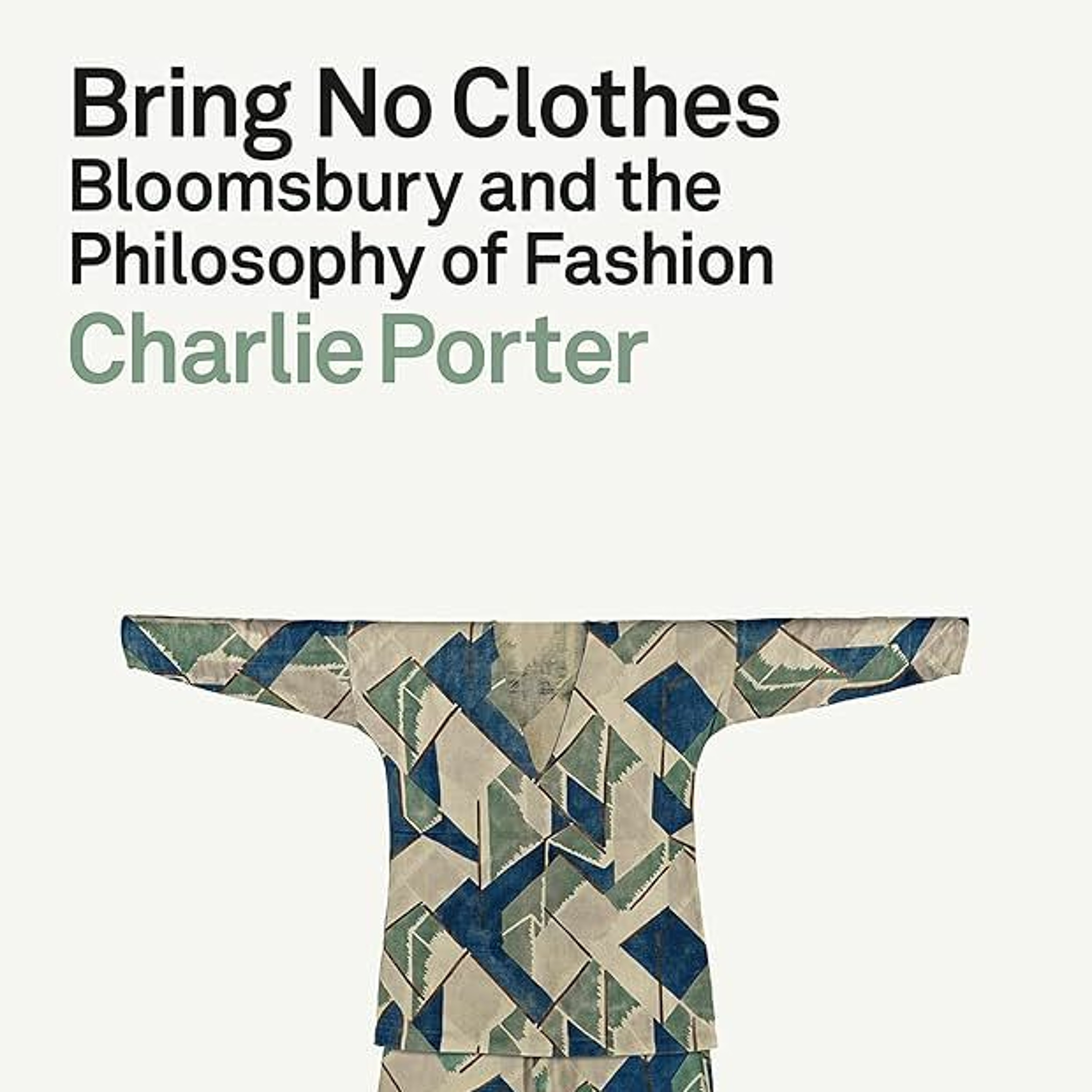
In this episode, a conversation with Charlie Porter, author of Bring No Clothes: Bloomsbury and the Philosophy of Fashion. In this book, Porter brings us face to face with six members of the Bloomsbury Group, a collective of artists and thinkers who were in the vanguard of a social and sartorial vision. As Porter carefully unpicks what they wore and how they wore it, we see how clothing can be a means of artistic, intellectual and sexual liberation, or, conversely, a tool for patriarchal control.
Search our extensive online catalogue.
