Readings Newsletter
Become a Readings Member to make your shopping experience even easier.
Sign in or sign up for free!
You’re not far away from qualifying for FREE standard shipping within Australia
You’ve qualified for FREE standard shipping within Australia
The cart is loading…


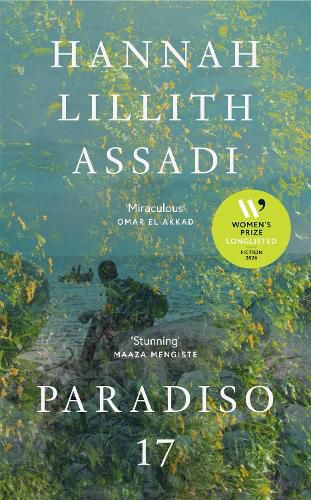
In Paradiso 17, Hannah Lillith Assadi crafts a deeply reflective novel about exile, memory and the lifelong search for home. The book follows Sufien, a Palestinian man whose life is shaped by displacement after the events of the Nakba. Born in Palestine and forced to flee as a child in 1948, Sufien leaves behind the only home he has ever known, one he will never return to.
The novel opens with an unusual and haunting narrative voice. Sufien is telling his story from beyond death, reflecting on his life while simultaneously moving through the final moments of it. From there, the narrative travels back through time, gradually returning to the beginning of his story and the moment when, at just five years old, war forces him and his family into exile. The movement between past and present mirrors the fragmented nature of memory.
What I found most striking was the way Assadi balances the sweeping scale of history with the small, intimate moments that make up a life. As Sufien moves across the world, he forms friendships, sells leather goods at a stall, finds companionship in cats and experiences the tenderness of fatherhood. These quieter moments ground the novel, making Sufien feel less like a symbolic figure and more like a fully lived life.
At its heart, Paradiso 17 is a meditation on displacement and the enduring meaning of home. By placing the Palestinian experience of exile at the centre of Sufien’s life, Assadi creates a vivid portrait of loss that feels both deeply personal and historically significant. For me, the novel worked as both a tribute to one man’s journey and a powerful reminder of how global events can shape individual lives. Haunting yet luminous, it captures the quiet resilience of someone who continues searching for belonging even as the past remains impossible to reclaim.
Discover more recommendations from our expert booksellers.

Search our extensive online catalogue.