Readings Newsletter
Become a Readings Member to make your shopping experience even easier.
Sign in or sign up for free!
You’re not far away from qualifying for FREE standard shipping within Australia
You’ve qualified for FREE standard shipping within Australia
The cart is loading…


This title is printed to order. This book may have been self-published. If so, we cannot guarantee the quality of the content. In the main most books will have gone through the editing process however some may not. We therefore suggest that you be aware of this before ordering this book. If in doubt check either the author or publisher’s details as we are unable to accept any returns unless they are faulty. Please contact us if you have any questions.
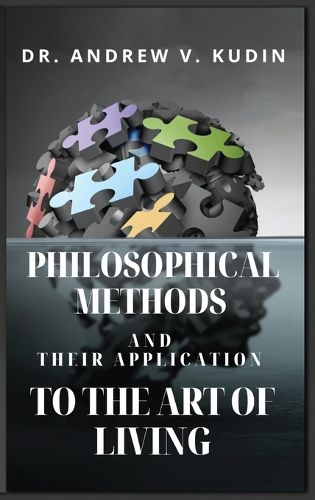
Philosophical Methods and Their Application in the Art of Living offers a systematic study of the major approaches that have shaped philosophical thinking from antiquity to postmodernity. Moving beyond a narrowly technical understanding of the method, the book situates each tradition within its historical and conceptual context, emphasizing its significance for ethical reflection, personal formation, and the complexities of contemporary life.
The volume examines sixteen foundational methods: dialectical, metaphysical, hermeneutic, analytical, deductive, empirical, phenomenological, materialist, idealist, rationalist, critical, existential, pragmatic, historical-philosophical, dialogical, and deconstructivist. Rather than presenting these as static techniques, the book engages readers in a deeper inquiry into how philosophical methods orient thought, structure moral and political commitments, and provide interpretive frameworks for navigating uncertainty.
Each chapter combines conceptual exposition with illustrative application, showing how seemingly abstract methods acquire meaning through lived experience. The result is a compelling argument that the philosophical method is not merely a formal apparatus but a disciplined mode of engagement with the world.
By bridging intellectual rigor with practical relevance, this work invites students, educators, and independent readers to approach philosophy not simply as an academic subject but as an enduring guide to the art of living.
$9.00 standard shipping within Australia
FREE standard shipping within Australia for orders over $100.00
Express & International shipping calculated at checkout
Stock availability can be subject to change without notice. We recommend calling the shop or contacting our online team to check availability of low stock items. Please see our Shopping Online page for more details.
This title is printed to order. This book may have been self-published. If so, we cannot guarantee the quality of the content. In the main most books will have gone through the editing process however some may not. We therefore suggest that you be aware of this before ordering this book. If in doubt check either the author or publisher’s details as we are unable to accept any returns unless they are faulty. Please contact us if you have any questions.
Philosophical Methods and Their Application in the Art of Living offers a systematic study of the major approaches that have shaped philosophical thinking from antiquity to postmodernity. Moving beyond a narrowly technical understanding of the method, the book situates each tradition within its historical and conceptual context, emphasizing its significance for ethical reflection, personal formation, and the complexities of contemporary life.
The volume examines sixteen foundational methods: dialectical, metaphysical, hermeneutic, analytical, deductive, empirical, phenomenological, materialist, idealist, rationalist, critical, existential, pragmatic, historical-philosophical, dialogical, and deconstructivist. Rather than presenting these as static techniques, the book engages readers in a deeper inquiry into how philosophical methods orient thought, structure moral and political commitments, and provide interpretive frameworks for navigating uncertainty.
Each chapter combines conceptual exposition with illustrative application, showing how seemingly abstract methods acquire meaning through lived experience. The result is a compelling argument that the philosophical method is not merely a formal apparatus but a disciplined mode of engagement with the world.
By bridging intellectual rigor with practical relevance, this work invites students, educators, and independent readers to approach philosophy not simply as an academic subject but as an enduring guide to the art of living.
Search our extensive online catalogue.
