Readings Newsletter
Become a Readings Member to make your shopping experience even easier.
Sign in or sign up for free!
You’re not far away from qualifying for FREE standard shipping within Australia
You’ve qualified for FREE standard shipping within Australia
The cart is loading…


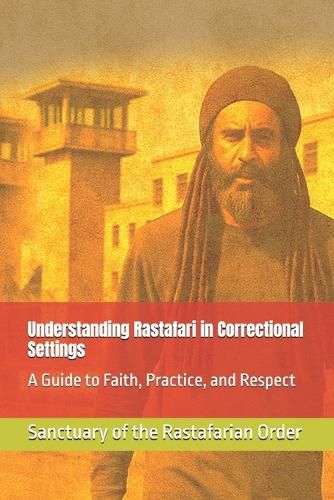
Understanding Rastafari within the correctional environment requires more than just policy adjustments - it requires compassion, education, and a willingness to acknowledge the depth of this faith. Rastafari practitioners often take a Nazirite vow - a sacred commitment that includes the growing of dreadlocks, abstention from alcohol, meat, and certain behaviors, and a life dedicated to spiritual purity. Their diet, known as Ital, is rooted in natural, plant-based foods free from additives, chemicals, or preservatives. Worship can include communal gatherings, drumming, chanting, and reading from the Bible, particularly the Old Testament, which holds deep spiritual significance. This guide will unpack the key elements of Rastafari - not only its theological beliefs but also the cultural expressions that are inseparable from the faith. It will clarify the importance of dreadlocks, head coverings, and the rejection of synthetic or processed substances. It will also examine how prison policies can unintentionally violate the religious rights of Rastafari inmates and provide actionable strategies to support their freedom of religious expression.
In correctional settings, individuals who identify with the Rastafari faith often encounter a range of challenges: from the denial of access to sacred dietary needs to restrictions on hair, head coverings, or religious gatherings. These restrictions are not merely inconveniences - they strike at the heart of the Rastafari identity and spiritual practice. This guide seeks to bridge the gap between institutional policies and religious accommodations by providing a respectful, educational, and actionable resource for correctional administrators, officers, and staff.
$9.00 standard shipping within Australia
FREE standard shipping within Australia for orders over $100.00
Express & International shipping calculated at checkout
Stock availability can be subject to change without notice. We recommend calling the shop or contacting our online team to check availability of low stock items. Please see our Shopping Online page for more details.
Understanding Rastafari within the correctional environment requires more than just policy adjustments - it requires compassion, education, and a willingness to acknowledge the depth of this faith. Rastafari practitioners often take a Nazirite vow - a sacred commitment that includes the growing of dreadlocks, abstention from alcohol, meat, and certain behaviors, and a life dedicated to spiritual purity. Their diet, known as Ital, is rooted in natural, plant-based foods free from additives, chemicals, or preservatives. Worship can include communal gatherings, drumming, chanting, and reading from the Bible, particularly the Old Testament, which holds deep spiritual significance. This guide will unpack the key elements of Rastafari - not only its theological beliefs but also the cultural expressions that are inseparable from the faith. It will clarify the importance of dreadlocks, head coverings, and the rejection of synthetic or processed substances. It will also examine how prison policies can unintentionally violate the religious rights of Rastafari inmates and provide actionable strategies to support their freedom of religious expression.
In correctional settings, individuals who identify with the Rastafari faith often encounter a range of challenges: from the denial of access to sacred dietary needs to restrictions on hair, head coverings, or religious gatherings. These restrictions are not merely inconveniences - they strike at the heart of the Rastafari identity and spiritual practice. This guide seeks to bridge the gap between institutional policies and religious accommodations by providing a respectful, educational, and actionable resource for correctional administrators, officers, and staff.
Search our extensive online catalogue.
