Readings Newsletter
Become a Readings Member to make your shopping experience even easier.
Sign in or sign up for free!
You’re not far away from qualifying for FREE standard shipping within Australia
You’ve qualified for FREE standard shipping within Australia
The cart is loading…


This title is printed to order. This book may have been self-published. If so, we cannot guarantee the quality of the content. In the main most books will have gone through the editing process however some may not. We therefore suggest that you be aware of this before ordering this book. If in doubt check either the author or publisher’s details as we are unable to accept any returns unless they are faulty. Please contact us if you have any questions.
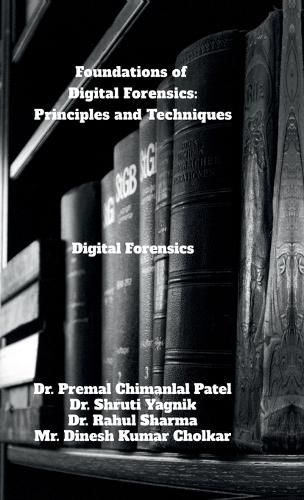
The book introduces readers to the core principles and methodologies used to identify, preserve, analyze, and present digital evidence. It is structured to support students, law enforcement personnel, and cybersecurity professionals in understanding how to conduct forensically sound investigations.
The book begins by outlining the fundamentals of digital forensics, including the types and sources of digital evidence such as hard drives, mobile devices, cloud storage, and networks. It emphasizes the importance of following proper legal and ethical procedures to ensure that evidence is admissible in court. Key topics include forensic imaging, file system analysis, metadata examination, and log analysis.
One of the strengths of this book is its focus on a methodical approach to investigations. It presents models and frameworks such as the digital forensic process model, which includes identification, acquisition, analysis, and reporting phases. The authors provide detailed explanations of forensic techniques along with examples and exercises that reinforce hands-on skills.
The book also discusses current tools and technologies used in the field, helping readers become familiar with widely adopted forensic software and command-line utilities. Real-world case studies and challenges provide context and illustrate the application of concepts in criminal and corporate investigations.
$9.00 standard shipping within Australia
FREE standard shipping within Australia for orders over $100.00
Express & International shipping calculated at checkout
Stock availability can be subject to change without notice. We recommend calling the shop or contacting our online team to check availability of low stock items. Please see our Shopping Online page for more details.
This title is printed to order. This book may have been self-published. If so, we cannot guarantee the quality of the content. In the main most books will have gone through the editing process however some may not. We therefore suggest that you be aware of this before ordering this book. If in doubt check either the author or publisher’s details as we are unable to accept any returns unless they are faulty. Please contact us if you have any questions.
The book introduces readers to the core principles and methodologies used to identify, preserve, analyze, and present digital evidence. It is structured to support students, law enforcement personnel, and cybersecurity professionals in understanding how to conduct forensically sound investigations.
The book begins by outlining the fundamentals of digital forensics, including the types and sources of digital evidence such as hard drives, mobile devices, cloud storage, and networks. It emphasizes the importance of following proper legal and ethical procedures to ensure that evidence is admissible in court. Key topics include forensic imaging, file system analysis, metadata examination, and log analysis.
One of the strengths of this book is its focus on a methodical approach to investigations. It presents models and frameworks such as the digital forensic process model, which includes identification, acquisition, analysis, and reporting phases. The authors provide detailed explanations of forensic techniques along with examples and exercises that reinforce hands-on skills.
The book also discusses current tools and technologies used in the field, helping readers become familiar with widely adopted forensic software and command-line utilities. Real-world case studies and challenges provide context and illustrate the application of concepts in criminal and corporate investigations.
Search our extensive online catalogue.
