Readings Newsletter
Become a Readings Member to make your shopping experience even easier.
Sign in or sign up for free!
You’re not far away from qualifying for FREE standard shipping within Australia
You’ve qualified for FREE standard shipping within Australia
The cart is loading…


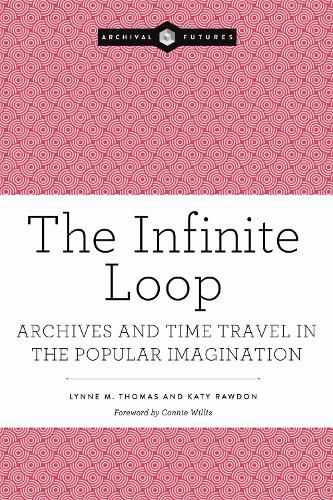
The fascination with time travel and its consistent popularity within the science fiction genre is deeply rooted in science fiction writers' and readers' passion for history and, by extension, for libraries and other kinds of archives. However, time travel, archives, and history intersect in the public imagination in ways that don't always match up with the reality of archival work. This book engages archivists and devotees of science fiction alike by exploring common tropes within the genre-and common assumptions in the archival profession-and providing context. Presenting a book that can serve as a teaching text, readers' advisory guide, and thought-provoking page turner, the authors
explore dozens of novels, short stories, movies, and TV series (particularly Doctor Who), spotlighting different science fictional approaches to writing about time travel while pointing out how archives and archivists are represented in different time travel stories;
    examine how various cultures and societies view and understand time differently, using works such as Octavia Butler's?Kindred, Toshikazo Kawaguchi's?Before the Coffee Gets?Cold, and Rivers Solomon's?An Unkindness of Ghosts to show how differences in temporal perception affect the presentation of time travel in their works;
    look at stereotypes, outdated views, and biases depicted within time travel depictions of archives, comparing these portrayals with real-world archives and historical records;
    discuss ways in which understanding time travel fiction can help archivists improve their relationships with the public and encourage more accurate fictional depictions of their work; and
    connect the concepts in their book to cultural heritage practices that encourage critical thinking about archivists' roles in documenting our times.
$9.00 standard shipping within Australia
FREE standard shipping within Australia for orders over $100.00
Express & International shipping calculated at checkout
Stock availability can be subject to change without notice. We recommend calling the shop or contacting our online team to check availability of low stock items. Please see our Shopping Online page for more details.
The fascination with time travel and its consistent popularity within the science fiction genre is deeply rooted in science fiction writers' and readers' passion for history and, by extension, for libraries and other kinds of archives. However, time travel, archives, and history intersect in the public imagination in ways that don't always match up with the reality of archival work. This book engages archivists and devotees of science fiction alike by exploring common tropes within the genre-and common assumptions in the archival profession-and providing context. Presenting a book that can serve as a teaching text, readers' advisory guide, and thought-provoking page turner, the authors
explore dozens of novels, short stories, movies, and TV series (particularly Doctor Who), spotlighting different science fictional approaches to writing about time travel while pointing out how archives and archivists are represented in different time travel stories;
    examine how various cultures and societies view and understand time differently, using works such as Octavia Butler's?Kindred, Toshikazo Kawaguchi's?Before the Coffee Gets?Cold, and Rivers Solomon's?An Unkindness of Ghosts to show how differences in temporal perception affect the presentation of time travel in their works;
    look at stereotypes, outdated views, and biases depicted within time travel depictions of archives, comparing these portrayals with real-world archives and historical records;
    discuss ways in which understanding time travel fiction can help archivists improve their relationships with the public and encourage more accurate fictional depictions of their work; and
    connect the concepts in their book to cultural heritage practices that encourage critical thinking about archivists' roles in documenting our times.
Search our extensive online catalogue.
