Readings Newsletter
Become a Readings Member to make your shopping experience even easier.
Sign in or sign up for free!
You’re not far away from qualifying for FREE standard shipping within Australia
You’ve qualified for FREE standard shipping within Australia
The cart is loading…


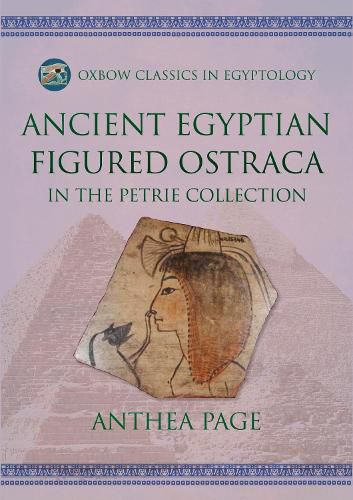
This facsimile reissue of Anthea Page's 1983 catalogue makes this important source material available again in print for a new generation of students and scholars. The catalogue documents 82 ostraca held in The Petrie Museum of Egyptian and Sudanese Archaeology collection in London. Ostraca are flakes of limestone or broken sherds of pottery used essentially as 'notepads' for private letters; laundry lists; records of purchases; roughly inscribed images of people, birds, and animals; and copies of literary works. In Ancient Egypt they reveal the artist-craftsman at practice, leisure and play. Apprentices, for instance, copied scenes to improve techniques; artists drew pictures to amuse, perhaps with satirical images and caricatures, or made measured studies for finished works. A wide range of trivial examples survive, together with more serious devotional, votive and dedicatory pieces. AUTHOR: At the time of original publication, Anthea Page was based in the Department of Egyptology at University College London and worked on cataloguing material in the Petrie Collection.
$9.00 standard shipping within Australia
FREE standard shipping within Australia for orders over $100.00
Express & International shipping calculated at checkout
Stock availability can be subject to change without notice. We recommend calling the shop or contacting our online team to check availability of low stock items. Please see our Shopping Online page for more details.
This facsimile reissue of Anthea Page's 1983 catalogue makes this important source material available again in print for a new generation of students and scholars. The catalogue documents 82 ostraca held in The Petrie Museum of Egyptian and Sudanese Archaeology collection in London. Ostraca are flakes of limestone or broken sherds of pottery used essentially as 'notepads' for private letters; laundry lists; records of purchases; roughly inscribed images of people, birds, and animals; and copies of literary works. In Ancient Egypt they reveal the artist-craftsman at practice, leisure and play. Apprentices, for instance, copied scenes to improve techniques; artists drew pictures to amuse, perhaps with satirical images and caricatures, or made measured studies for finished works. A wide range of trivial examples survive, together with more serious devotional, votive and dedicatory pieces. AUTHOR: At the time of original publication, Anthea Page was based in the Department of Egyptology at University College London and worked on cataloguing material in the Petrie Collection.
Search our extensive online catalogue.
