Readings Newsletter
Become a Readings Member to make your shopping experience even easier.
Sign in or sign up for free!
You’re not far away from qualifying for FREE standard shipping within Australia
You’ve qualified for FREE standard shipping within Australia
The cart is loading…


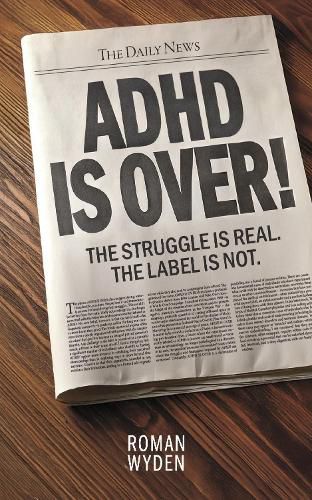
In "ADHD IS OVER!" Roman Wyden critically examines the prevailing 'crisis mode' approach to ADHD, particularly by educators, parents, and society. Wyden contends that the fast-paced, high-stakes treatment mentality is detrimental and ultimately ineffective. Instead, he proposes viewing ADHD as an integral part of an individual's unique neurological makeup, necessitating understanding, patience, and tailored strategies. Wyden highlights the crucial distinction that, unlike typical medical disorders such as diabetes, there are currently no definitive blood tests or biomarkers to diagnose ADHD; diagnosis relies instead on subjective behavioral assessment. Wyden critiques the pervasive stigma surrounding ADHD, highlighting how societal perceptions often frame the condition as an emergency requiring an immediate 'fix.' This urgency to 'solve' ADHD frequently leads to frustration and a sense of failure for both individuals with ADHD and their support systems. The book underscores that while managing ADHD requires attention, it doesn't demand drastic, crisis-driven interventions. Moving beyond quick fixes and lifelong symptom management, Wyden advocates for a comprehensive, holistic approach to family healing. This book serves as an unofficial 'ADHD diagnosis survival guide' for conscious parents committed to cultivating healthier, more productive environments for their children. It aims to foster autonomy, self-acceptance, and an improved quality of life experience. Ultimately, Wyden encourages parents to adopt a proactive, critical stance toward an ADHD diagnosis, exploring alternative solutions before resorting to medication. He emphasizes 'radical responsibility'-empowering parents to investigate root causes, trust their instincts, and create supportive environments where their children can truly thrive.
$9.00 standard shipping within Australia
FREE standard shipping within Australia for orders over $100.00
Express & International shipping calculated at checkout
Stock availability can be subject to change without notice. We recommend calling the shop or contacting our online team to check availability of low stock items. Please see our Shopping Online page for more details.
In "ADHD IS OVER!" Roman Wyden critically examines the prevailing 'crisis mode' approach to ADHD, particularly by educators, parents, and society. Wyden contends that the fast-paced, high-stakes treatment mentality is detrimental and ultimately ineffective. Instead, he proposes viewing ADHD as an integral part of an individual's unique neurological makeup, necessitating understanding, patience, and tailored strategies. Wyden highlights the crucial distinction that, unlike typical medical disorders such as diabetes, there are currently no definitive blood tests or biomarkers to diagnose ADHD; diagnosis relies instead on subjective behavioral assessment. Wyden critiques the pervasive stigma surrounding ADHD, highlighting how societal perceptions often frame the condition as an emergency requiring an immediate 'fix.' This urgency to 'solve' ADHD frequently leads to frustration and a sense of failure for both individuals with ADHD and their support systems. The book underscores that while managing ADHD requires attention, it doesn't demand drastic, crisis-driven interventions. Moving beyond quick fixes and lifelong symptom management, Wyden advocates for a comprehensive, holistic approach to family healing. This book serves as an unofficial 'ADHD diagnosis survival guide' for conscious parents committed to cultivating healthier, more productive environments for their children. It aims to foster autonomy, self-acceptance, and an improved quality of life experience. Ultimately, Wyden encourages parents to adopt a proactive, critical stance toward an ADHD diagnosis, exploring alternative solutions before resorting to medication. He emphasizes 'radical responsibility'-empowering parents to investigate root causes, trust their instincts, and create supportive environments where their children can truly thrive.
Search our extensive online catalogue.
