Readings Newsletter
Become a Readings Member to make your shopping experience even easier.
Sign in or sign up for free!
You’re not far away from qualifying for FREE standard shipping within Australia
You’ve qualified for FREE standard shipping within Australia
The cart is loading…


This title is printed to order. This book may have been self-published. If so, we cannot guarantee the quality of the content. In the main most books will have gone through the editing process however some may not. We therefore suggest that you be aware of this before ordering this book. If in doubt check either the author or publisher’s details as we are unable to accept any returns unless they are faulty. Please contact us if you have any questions.
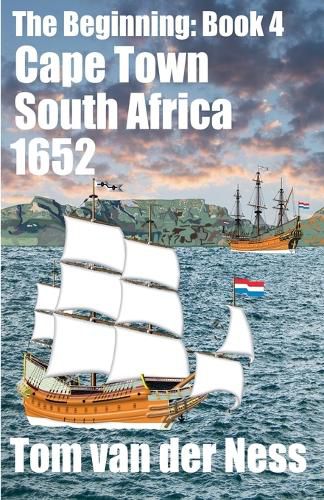
The repetition of many of the names is because these people factually all existed and the narrative about them is historically accurate. Of interest, is that the colonisation of the small peninsula at the tip of Africa took place almost two centuries before the European scramble for colonial rule across the rest of the continent. At twenty, Maria van Riebeeck marries a rehabilitated criminal, the infamous Jan van Riebeeck, to become the wife of the first commander of the European settlement of future Cape Town in sixteen-fifty-two from an edict by The Dutch East India Company -Vereenigde Oostindische Compagnie - VOC. After annexing the land and building a fort, with assistance from the indigenes, the population grows from the incoming steady trickle of both Europeans and slaves alike. After the van Riebeecks leave, major transformations under Governor Simon van der Stel take place to properly establish a colony. After his death, The Groot Constantia wine estate, which was the jewel of the Cape at the time, changes hands and is factually owned by an emancipated slave captured as a child in Bengal - Anna de Koningh.
$9.00 standard shipping within Australia
FREE standard shipping within Australia for orders over $100.00
Express & International shipping calculated at checkout
Stock availability can be subject to change without notice. We recommend calling the shop or contacting our online team to check availability of low stock items. Please see our Shopping Online page for more details.
This title is printed to order. This book may have been self-published. If so, we cannot guarantee the quality of the content. In the main most books will have gone through the editing process however some may not. We therefore suggest that you be aware of this before ordering this book. If in doubt check either the author or publisher’s details as we are unable to accept any returns unless they are faulty. Please contact us if you have any questions.
The repetition of many of the names is because these people factually all existed and the narrative about them is historically accurate. Of interest, is that the colonisation of the small peninsula at the tip of Africa took place almost two centuries before the European scramble for colonial rule across the rest of the continent. At twenty, Maria van Riebeeck marries a rehabilitated criminal, the infamous Jan van Riebeeck, to become the wife of the first commander of the European settlement of future Cape Town in sixteen-fifty-two from an edict by The Dutch East India Company -Vereenigde Oostindische Compagnie - VOC. After annexing the land and building a fort, with assistance from the indigenes, the population grows from the incoming steady trickle of both Europeans and slaves alike. After the van Riebeecks leave, major transformations under Governor Simon van der Stel take place to properly establish a colony. After his death, The Groot Constantia wine estate, which was the jewel of the Cape at the time, changes hands and is factually owned by an emancipated slave captured as a child in Bengal - Anna de Koningh.
Search our extensive online catalogue.
