Readings Newsletter
Become a Readings Member to make your shopping experience even easier.
Sign in or sign up for free!
You’re not far away from qualifying for FREE standard shipping within Australia
You’ve qualified for FREE standard shipping within Australia
The cart is loading…


There is no gap between Is and Ought, but there is a gap between fact and norm.
There is a difference between legal powers and legal competences, but there are no power-conferring rules.
There is no obligation to comply with contracts.
There are no regulative rules, and all rules are constitutive.
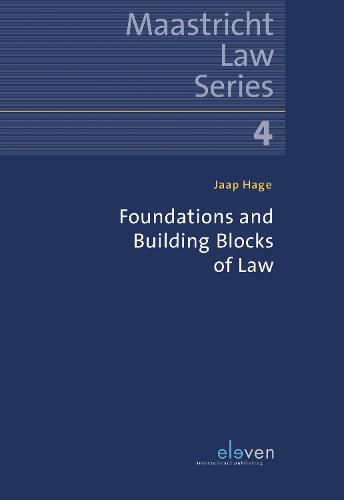
All these claims are controversial in the eyes of many legal theorists. This book argues that they are all true, or justified, if understood in the proper context. The argument starts from the relation between language and facts and continues with a distinction between three kinds of facts, and the role which rules play in the constitution of one of the three kinds. Building on this foundation, the book moves on to analyses of the building blocks of law: duties, obligations, permissions, juridical acts, powers, competences, norms and rights. Interwoven through these analyses, the reader finds discussions of the alleged gap between Is and Ought, and of the logic of normative notions (‘deontic logic’).
$9.00 standard shipping within Australia
FREE standard shipping within Australia for orders over $100.00
Express & International shipping calculated at checkout
Stock availability can be subject to change without notice. We recommend calling the shop or contacting our online team to check availability of low stock items. Please see our Shopping Online page for more details.
There is no gap between Is and Ought, but there is a gap between fact and norm.
There is a difference between legal powers and legal competences, but there are no power-conferring rules.
There is no obligation to comply with contracts.
There are no regulative rules, and all rules are constitutive.
All these claims are controversial in the eyes of many legal theorists. This book argues that they are all true, or justified, if understood in the proper context. The argument starts from the relation between language and facts and continues with a distinction between three kinds of facts, and the role which rules play in the constitution of one of the three kinds. Building on this foundation, the book moves on to analyses of the building blocks of law: duties, obligations, permissions, juridical acts, powers, competences, norms and rights. Interwoven through these analyses, the reader finds discussions of the alleged gap between Is and Ought, and of the logic of normative notions (‘deontic logic’).
Search our extensive online catalogue.
