Readings Newsletter
Become a Readings Member to make your shopping experience even easier.
Sign in or sign up for free!
You’re not far away from qualifying for FREE standard shipping within Australia
You’ve qualified for FREE standard shipping within Australia
The cart is loading…


This title is printed to order. This book may have been self-published. If so, we cannot guarantee the quality of the content. In the main most books will have gone through the editing process however some may not. We therefore suggest that you be aware of this before ordering this book. If in doubt check either the author or publisher’s details as we are unable to accept any returns unless they are faulty. Please contact us if you have any questions.
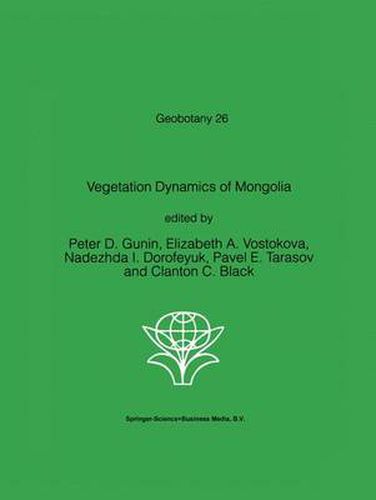
Mongolia is an expansive land-locked country, tilted by tectonic forces to the North, that experiences extremes of continental climate. Moisture-carrying wind currents are scarce so that the land has extended highs and lows in its environment. Culturally the people are mostly nomadic, having been sustained for centuries by an economy based on domestic livestock grazing. There is a saying that, “As the noses go, so goes Mongolia’, referring to the domesticated grazing noses of sheep, goats, camels, yaks or horses, and wild ungulates such as gazelles. The vast fenceless steppes of Mongolia furnish the vegetation for grazing. With such extremes in climate it is clear that the vegetation must be resilient and dynamic to cope with the dictates of its extremely harsh environments.
Pollen profiles from lakes, plant macrofossils and other data over the last 15,000 years show the dynamic nature of Mongolian vegetation. Currently Mongolian society is experiencing much human-driven economic development which increases pressure on its vegetation. The Great Khural Laws of 1995 forcefully addressed such environmental concerns with the expanded establishment of National Reserves and Parks. But continued effort and vigilance must be expended to insure that Mongolian society will continue to be sustained by its vegetation. This book highlights work such as conserving and restoring plant diversity in various ecosystems and makes recommendations for sustaining the vegetation basis of the nomadic Mongolian society.
$9.00 standard shipping within Australia
FREE standard shipping within Australia for orders over $100.00
Express & International shipping calculated at checkout
Stock availability can be subject to change without notice. We recommend calling the shop or contacting our online team to check availability of low stock items. Please see our Shopping Online page for more details.
This title is printed to order. This book may have been self-published. If so, we cannot guarantee the quality of the content. In the main most books will have gone through the editing process however some may not. We therefore suggest that you be aware of this before ordering this book. If in doubt check either the author or publisher’s details as we are unable to accept any returns unless they are faulty. Please contact us if you have any questions.
Mongolia is an expansive land-locked country, tilted by tectonic forces to the North, that experiences extremes of continental climate. Moisture-carrying wind currents are scarce so that the land has extended highs and lows in its environment. Culturally the people are mostly nomadic, having been sustained for centuries by an economy based on domestic livestock grazing. There is a saying that, “As the noses go, so goes Mongolia’, referring to the domesticated grazing noses of sheep, goats, camels, yaks or horses, and wild ungulates such as gazelles. The vast fenceless steppes of Mongolia furnish the vegetation for grazing. With such extremes in climate it is clear that the vegetation must be resilient and dynamic to cope with the dictates of its extremely harsh environments.
Pollen profiles from lakes, plant macrofossils and other data over the last 15,000 years show the dynamic nature of Mongolian vegetation. Currently Mongolian society is experiencing much human-driven economic development which increases pressure on its vegetation. The Great Khural Laws of 1995 forcefully addressed such environmental concerns with the expanded establishment of National Reserves and Parks. But continued effort and vigilance must be expended to insure that Mongolian society will continue to be sustained by its vegetation. This book highlights work such as conserving and restoring plant diversity in various ecosystems and makes recommendations for sustaining the vegetation basis of the nomadic Mongolian society.
Search our extensive online catalogue.
