Readings Newsletter
Become a Readings Member to make your shopping experience even easier.
Sign in or sign up for free!
You’re not far away from qualifying for FREE standard shipping within Australia
You’ve qualified for FREE standard shipping within Australia
The cart is loading…


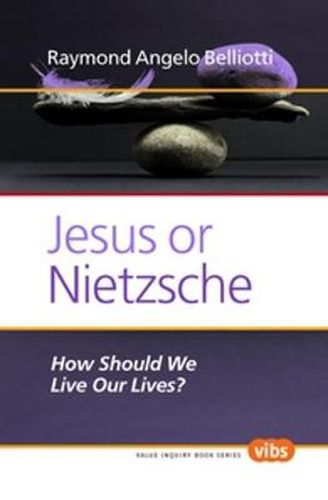
This book reconstructs the cornerstones of Jesus’s moral teachings about how to lead a good, even exemplary, human life. It does so in a way that is compatible with the most prominent, competing versions of the historical Jesus. The work also contrast Jesus’ understanding of the best way to lead our lives with that of Friedrich Nietzsche. Both Jesus and Nietzsche were self-consciously moral revolutionaries. Jesus refashioned the imperatives of Jewish law to conform to what he was firmly convinced was the divine will. Nietzsche aspired to transvalue the dominant values of his time -which themselves were influenced greatly by Christianity- in service of what he took to be a higher vision. The interplay of these radical versions of the good human life, seasoned with critical commentary emerging from modern findings in the sciences and humanities, opens possibilities and lines of inquiry that can inform our choices in answering that enduring, paramount question, How should we live our lives?
$9.00 standard shipping within Australia
FREE standard shipping within Australia for orders over $100.00
Express & International shipping calculated at checkout
Stock availability can be subject to change without notice. We recommend calling the shop or contacting our online team to check availability of low stock items. Please see our Shopping Online page for more details.
This book reconstructs the cornerstones of Jesus’s moral teachings about how to lead a good, even exemplary, human life. It does so in a way that is compatible with the most prominent, competing versions of the historical Jesus. The work also contrast Jesus’ understanding of the best way to lead our lives with that of Friedrich Nietzsche. Both Jesus and Nietzsche were self-consciously moral revolutionaries. Jesus refashioned the imperatives of Jewish law to conform to what he was firmly convinced was the divine will. Nietzsche aspired to transvalue the dominant values of his time -which themselves were influenced greatly by Christianity- in service of what he took to be a higher vision. The interplay of these radical versions of the good human life, seasoned with critical commentary emerging from modern findings in the sciences and humanities, opens possibilities and lines of inquiry that can inform our choices in answering that enduring, paramount question, How should we live our lives?
Search our extensive online catalogue.
