Readings Newsletter
Become a Readings Member to make your shopping experience even easier.
Sign in or sign up for free!
You’re not far away from qualifying for FREE standard shipping within Australia
You’ve qualified for FREE standard shipping within Australia
The cart is loading…


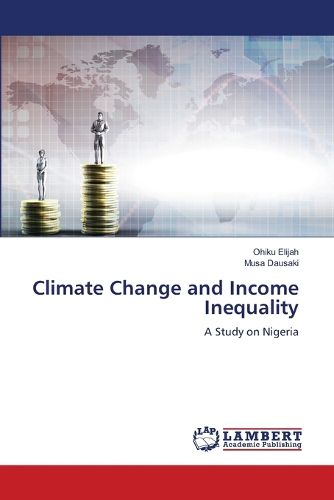
Climate change and income inequality are deeply connected, unequally affecting vulnerable populations. The poor face increased exposure to extreme weather, reduced agricultural productivity, and limited access to resources. Climate-related challenges worsen economic disparities, making it harder for marginalized groups to escape poverty. Climate policies must prioritize equity and justice to support those most affected. Reducing income inequality can improve societal well-being and drive sustainable growth. Equitable climate solutions can help create a more just and sustainable future.
$9.00 standard shipping within Australia
FREE standard shipping within Australia for orders over $100.00
Express & International shipping calculated at checkout
Stock availability can be subject to change without notice. We recommend calling the shop or contacting our online team to check availability of low stock items. Please see our Shopping Online page for more details.
Climate change and income inequality are deeply connected, unequally affecting vulnerable populations. The poor face increased exposure to extreme weather, reduced agricultural productivity, and limited access to resources. Climate-related challenges worsen economic disparities, making it harder for marginalized groups to escape poverty. Climate policies must prioritize equity and justice to support those most affected. Reducing income inequality can improve societal well-being and drive sustainable growth. Equitable climate solutions can help create a more just and sustainable future.
Search our extensive online catalogue.
