Readings Newsletter
Become a Readings Member to make your shopping experience even easier.
Sign in or sign up for free!
You’re not far away from qualifying for FREE standard shipping within Australia
You’ve qualified for FREE standard shipping within Australia
The cart is loading…


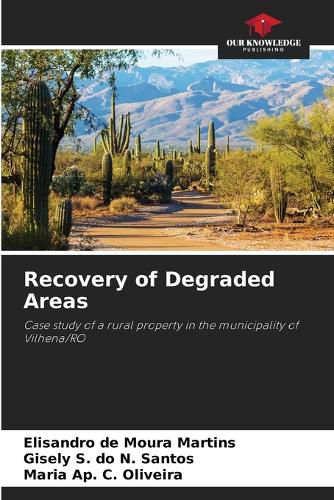
This paper will address the main concepts related to the recovery of degraded areas and present a case study in the municipality of Vilhena, in the state of Rondonia, where a Project for the Recovery of Degraded and Altered Areas (PRADA) was developed to restore the vegetation of a permanent preservation area. The purpose of this case study is to demonstrate to all interested parties the basic roadmap for implementing a PRADA and the recovery techniques used in this case. The study does not aim to exhaust the subject, but rather to contribute to the current theoretical and practical aspects related to the recovery of degraded areas, serving as a support tool for all those interested in the topic. The study is based on a general analysis of Brazilian environmental legislation, particularly state legislation, as well as standards, terms of reference for procedures adopted by the environmental agency of Rondonia and the environmental studies required by it.
$9.00 standard shipping within Australia
FREE standard shipping within Australia for orders over $100.00
Express & International shipping calculated at checkout
Stock availability can be subject to change without notice. We recommend calling the shop or contacting our online team to check availability of low stock items. Please see our Shopping Online page for more details.
This paper will address the main concepts related to the recovery of degraded areas and present a case study in the municipality of Vilhena, in the state of Rondonia, where a Project for the Recovery of Degraded and Altered Areas (PRADA) was developed to restore the vegetation of a permanent preservation area. The purpose of this case study is to demonstrate to all interested parties the basic roadmap for implementing a PRADA and the recovery techniques used in this case. The study does not aim to exhaust the subject, but rather to contribute to the current theoretical and practical aspects related to the recovery of degraded areas, serving as a support tool for all those interested in the topic. The study is based on a general analysis of Brazilian environmental legislation, particularly state legislation, as well as standards, terms of reference for procedures adopted by the environmental agency of Rondonia and the environmental studies required by it.
Search our extensive online catalogue.
