Readings Newsletter
Become a Readings Member to make your shopping experience even easier.
Sign in or sign up for free!
You’re not far away from qualifying for FREE standard shipping within Australia
You’ve qualified for FREE standard shipping within Australia
The cart is loading…


This title is printed to order. This book may have been self-published. If so, we cannot guarantee the quality of the content. In the main most books will have gone through the editing process however some may not. We therefore suggest that you be aware of this before ordering this book. If in doubt check either the author or publisher’s details as we are unable to accept any returns unless they are faulty. Please contact us if you have any questions.
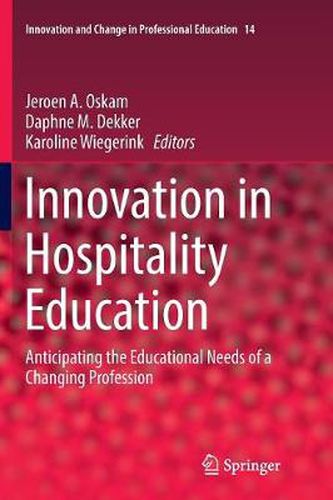
This book analyses the development of hospitality education from vocational to higher education, and discusses the positioning of hotel schools. It addresses questions such as: Should hospitality management become part of generic business education? Are the technical training programmes that have defined the identity of these schools a remnant of their vocational past, or have they contributed to the successful careers of many hospitality graduates? Topics discussed in the book are curriculum innovation, the theory of experimentation, the nature of hospitable behaviour, information technology, life-long learning and developments for future curricula. The book makes clear that the debate on the balance between theory and practice will not only define the future of hospitality management education, but can also be considered a relevant case study in other business disciplines.
The history of hospitality education goes back to the end of the nineteenth and early twentieth century when hotel schools were founded to train the protocol and technical skills required to receive the travellers of those days. Since then, the scale and complexity of the hospitality industry and its professions have changed, as well as our understanding of what makes a business -whether it offers accommodation or something else- hospitable . The scope and educational level of hotel schools have evolved accordingly, and hospitality management has become a popular discipline in the traditional and renowned hotel schools as well as in universities.
$9.00 standard shipping within Australia
FREE standard shipping within Australia for orders over $100.00
Express & International shipping calculated at checkout
Stock availability can be subject to change without notice. We recommend calling the shop or contacting our online team to check availability of low stock items. Please see our Shopping Online page for more details.
This title is printed to order. This book may have been self-published. If so, we cannot guarantee the quality of the content. In the main most books will have gone through the editing process however some may not. We therefore suggest that you be aware of this before ordering this book. If in doubt check either the author or publisher’s details as we are unable to accept any returns unless they are faulty. Please contact us if you have any questions.
This book analyses the development of hospitality education from vocational to higher education, and discusses the positioning of hotel schools. It addresses questions such as: Should hospitality management become part of generic business education? Are the technical training programmes that have defined the identity of these schools a remnant of their vocational past, or have they contributed to the successful careers of many hospitality graduates? Topics discussed in the book are curriculum innovation, the theory of experimentation, the nature of hospitable behaviour, information technology, life-long learning and developments for future curricula. The book makes clear that the debate on the balance between theory and practice will not only define the future of hospitality management education, but can also be considered a relevant case study in other business disciplines.
The history of hospitality education goes back to the end of the nineteenth and early twentieth century when hotel schools were founded to train the protocol and technical skills required to receive the travellers of those days. Since then, the scale and complexity of the hospitality industry and its professions have changed, as well as our understanding of what makes a business -whether it offers accommodation or something else- hospitable . The scope and educational level of hotel schools have evolved accordingly, and hospitality management has become a popular discipline in the traditional and renowned hotel schools as well as in universities.
Search our extensive online catalogue.
