Readings Newsletter
Become a Readings Member to make your shopping experience even easier.
Sign in or sign up for free!
You’re not far away from qualifying for FREE standard shipping within Australia
You’ve qualified for FREE standard shipping within Australia
The cart is loading…


This title is printed to order. This book may have been self-published. If so, we cannot guarantee the quality of the content. In the main most books will have gone through the editing process however some may not. We therefore suggest that you be aware of this before ordering this book. If in doubt check either the author or publisher’s details as we are unable to accept any returns unless they are faulty. Please contact us if you have any questions.
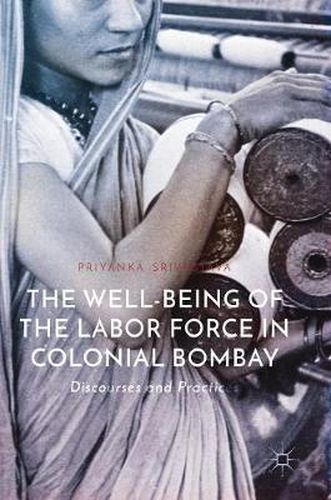
This study draws on extensive archival research to explore the social history of industrial labor in colonial India through the lens of well-being. Focusing on the cotton millworkers in Bombay in the late nineteenth and early twentieth centuries, the book moves beyond trade union politics and examines the complex ways in which the broader colonial society considered the subject of worker well-being. As the author shows, worker well-being projects unfolded in the contexts of British Empire, Indian nationalism, extraordinary infant mortality, epidemic diseases, and uneven urban development. Srivastava emphasizes that worker well-being discourses and practices strove to reallocate resources and enhance the productive and reproductive capacities of the nation’s labor power. She demonstrates how the built urban environment, colonial local governance, public health policies, and deeply gendered local and transnational voluntary reform programs affected worker wellbeing practices and shaped working class lives.
$9.00 standard shipping within Australia
FREE standard shipping within Australia for orders over $100.00
Express & International shipping calculated at checkout
Stock availability can be subject to change without notice. We recommend calling the shop or contacting our online team to check availability of low stock items. Please see our Shopping Online page for more details.
This title is printed to order. This book may have been self-published. If so, we cannot guarantee the quality of the content. In the main most books will have gone through the editing process however some may not. We therefore suggest that you be aware of this before ordering this book. If in doubt check either the author or publisher’s details as we are unable to accept any returns unless they are faulty. Please contact us if you have any questions.
This study draws on extensive archival research to explore the social history of industrial labor in colonial India through the lens of well-being. Focusing on the cotton millworkers in Bombay in the late nineteenth and early twentieth centuries, the book moves beyond trade union politics and examines the complex ways in which the broader colonial society considered the subject of worker well-being. As the author shows, worker well-being projects unfolded in the contexts of British Empire, Indian nationalism, extraordinary infant mortality, epidemic diseases, and uneven urban development. Srivastava emphasizes that worker well-being discourses and practices strove to reallocate resources and enhance the productive and reproductive capacities of the nation’s labor power. She demonstrates how the built urban environment, colonial local governance, public health policies, and deeply gendered local and transnational voluntary reform programs affected worker wellbeing practices and shaped working class lives.
Search our extensive online catalogue.
