Readings Newsletter
Become a Readings Member to make your shopping experience even easier.
Sign in or sign up for free!
You’re not far away from qualifying for FREE standard shipping within Australia
You’ve qualified for FREE standard shipping within Australia
The cart is loading…


This title is printed to order. This book may have been self-published. If so, we cannot guarantee the quality of the content. In the main most books will have gone through the editing process however some may not. We therefore suggest that you be aware of this before ordering this book. If in doubt check either the author or publisher’s details as we are unable to accept any returns unless they are faulty. Please contact us if you have any questions.
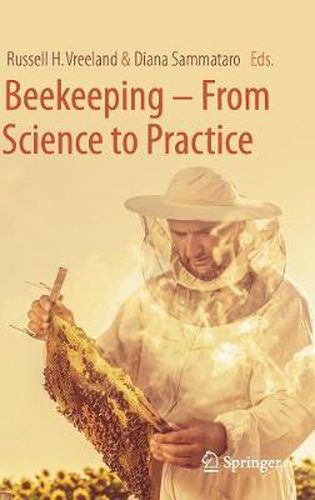
This book will help beekeepers understand the fundamentals of beekeeping science. Written in plain and accessible language by actual researchers, it should be part of every beekeeper’s library. The respective chapters not only present raw data; they also explain how to read and understand the most common figures. With topics ranging from honeybee nutrition to strains of Varroa resistant bees, from the effects of pesticide chemicals to understanding diseases, and including a discussion of venom allergies, the book provides essential knowhow that beekeepers will benefit from every time they inspect their hives. Further, each chapter ends with the author explaining how beekeepers can (or cannot) directly utilize the information to enhance their beekeeping operation.
The text is structured to facilitate ease of use, with each author addressing the same four issues: 1) What are the specific purposes or goals of these experiments? Or more simply: what have these studies taught us? 2) How should a non-scientist read the data generated? 3) What are the key points in relation to practicing beekeepers’ goals? 4) How can the data or techniques discussed be applied by beekeepers in their own apiaries? This approach allows readers to look up specific information quickly, understand it and even put it to use without having to read entire chapters. Further, the chapters are highly readable and concise. As such, the book offers a valuable guide and faithful companion for all beekeepers, one they can use day in and day out.
$9.00 standard shipping within Australia
FREE standard shipping within Australia for orders over $100.00
Express & International shipping calculated at checkout
Stock availability can be subject to change without notice. We recommend calling the shop or contacting our online team to check availability of low stock items. Please see our Shopping Online page for more details.
This title is printed to order. This book may have been self-published. If so, we cannot guarantee the quality of the content. In the main most books will have gone through the editing process however some may not. We therefore suggest that you be aware of this before ordering this book. If in doubt check either the author or publisher’s details as we are unable to accept any returns unless they are faulty. Please contact us if you have any questions.
This book will help beekeepers understand the fundamentals of beekeeping science. Written in plain and accessible language by actual researchers, it should be part of every beekeeper’s library. The respective chapters not only present raw data; they also explain how to read and understand the most common figures. With topics ranging from honeybee nutrition to strains of Varroa resistant bees, from the effects of pesticide chemicals to understanding diseases, and including a discussion of venom allergies, the book provides essential knowhow that beekeepers will benefit from every time they inspect their hives. Further, each chapter ends with the author explaining how beekeepers can (or cannot) directly utilize the information to enhance their beekeeping operation.
The text is structured to facilitate ease of use, with each author addressing the same four issues: 1) What are the specific purposes or goals of these experiments? Or more simply: what have these studies taught us? 2) How should a non-scientist read the data generated? 3) What are the key points in relation to practicing beekeepers’ goals? 4) How can the data or techniques discussed be applied by beekeepers in their own apiaries? This approach allows readers to look up specific information quickly, understand it and even put it to use without having to read entire chapters. Further, the chapters are highly readable and concise. As such, the book offers a valuable guide and faithful companion for all beekeepers, one they can use day in and day out.
Search our extensive online catalogue.
