Readings Newsletter
Become a Readings Member to make your shopping experience even easier.
Sign in or sign up for free!
You’re not far away from qualifying for FREE standard shipping within Australia
You’ve qualified for FREE standard shipping within Australia
The cart is loading…


This title is printed to order. This book may have been self-published. If so, we cannot guarantee the quality of the content. In the main most books will have gone through the editing process however some may not. We therefore suggest that you be aware of this before ordering this book. If in doubt check either the author or publisher’s details as we are unable to accept any returns unless they are faulty. Please contact us if you have any questions.
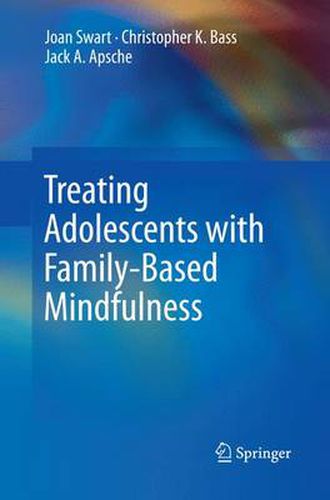
A new take on therapeutic mindfulness with specific applications to troubled and delinquent youth is the focus of this innovative text. It introduces Family Mode Deactivation Therapy (FMDT) and its core concepts and methodologies, differentiating it from other cognitive and mindfulness therapies for adolescents with problem behaviors and comorbid conditions. Step by step applications of FMDT from case conceptualization to assessment and treatment are featured, with detailed case studies demonstrating its effectiveness in treating mood disorders, aggressive behavior and trauma and guidelines for its use with abusive families and other complex cases. The book’s depth of clinical detail and appendix of therapist tools make it especially practical.
Included in the coverage:
A comparison of MDT with other cognitive approaches. The empirical status of MDT. Mindfulness in MDT process, and in the treatment room. FMDT and sexual offender youth. MDT and mindfulness in the context of trauma. Treating the untreatable : FMDT and challenging populations.
While Treating Adolescents with Family-Based Mindfulness is immediately useful to practicing psychotherapists, it should also be of interest to other professionals with a role in adolescent health care, such as policymakers, social workers, supervisors, juvenile corrections and youth center personnel and students and researchers.
$9.00 standard shipping within Australia
FREE standard shipping within Australia for orders over $100.00
Express & International shipping calculated at checkout
Stock availability can be subject to change without notice. We recommend calling the shop or contacting our online team to check availability of low stock items. Please see our Shopping Online page for more details.
This title is printed to order. This book may have been self-published. If so, we cannot guarantee the quality of the content. In the main most books will have gone through the editing process however some may not. We therefore suggest that you be aware of this before ordering this book. If in doubt check either the author or publisher’s details as we are unable to accept any returns unless they are faulty. Please contact us if you have any questions.
A new take on therapeutic mindfulness with specific applications to troubled and delinquent youth is the focus of this innovative text. It introduces Family Mode Deactivation Therapy (FMDT) and its core concepts and methodologies, differentiating it from other cognitive and mindfulness therapies for adolescents with problem behaviors and comorbid conditions. Step by step applications of FMDT from case conceptualization to assessment and treatment are featured, with detailed case studies demonstrating its effectiveness in treating mood disorders, aggressive behavior and trauma and guidelines for its use with abusive families and other complex cases. The book’s depth of clinical detail and appendix of therapist tools make it especially practical.
Included in the coverage:
A comparison of MDT with other cognitive approaches. The empirical status of MDT. Mindfulness in MDT process, and in the treatment room. FMDT and sexual offender youth. MDT and mindfulness in the context of trauma. Treating the untreatable : FMDT and challenging populations.
While Treating Adolescents with Family-Based Mindfulness is immediately useful to practicing psychotherapists, it should also be of interest to other professionals with a role in adolescent health care, such as policymakers, social workers, supervisors, juvenile corrections and youth center personnel and students and researchers.
Search our extensive online catalogue.
