Readings Newsletter
Become a Readings Member to make your shopping experience even easier.
Sign in or sign up for free!
You’re not far away from qualifying for FREE standard shipping within Australia
You’ve qualified for FREE standard shipping within Australia
The cart is loading…


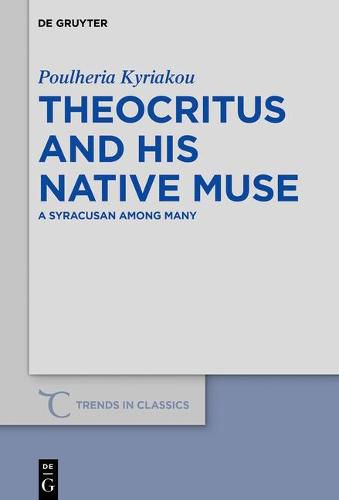
Hellenistic poets opted and were very likely expected to deal meaningfully, and perhaps competitively, with the tradition they inherited. They also needed to secure the goodwill of actual or potential patrons. Apollonius, the author of a novel heroic epic, eschews references to literary polemics and patronage. Callimachus often adopts a polemical stance against some colleagues in order to suggest his poetic excellence. Theocritus chooses a third way, which has not been investigated adequately. He avoids antagonism but ironizes the theme of poetic excellence and distances himself from the tradition of competitive success. He does not cast his narrators as superior to predecessors and contemporaries but stresses the advantages and merits of colleagues. This rejection of conceit is connected with a major strand in Theocritean poetry: the power of word, including song, to provide assistance to characters in distress is a major open issue. Language is versatile and potent but not all-powerful. Song gives pleasure but is not a panacea while instruction and advice are never helpful and may even prove harmful. Most genuine pieces are ambiguous and open-ended so that the aspirations of characters are not presented as doomed to failure.
$9.00 standard shipping within Australia
FREE standard shipping within Australia for orders over $100.00
Express & International shipping calculated at checkout
Stock availability can be subject to change without notice. We recommend calling the shop or contacting our online team to check availability of low stock items. Please see our Shopping Online page for more details.
Hellenistic poets opted and were very likely expected to deal meaningfully, and perhaps competitively, with the tradition they inherited. They also needed to secure the goodwill of actual or potential patrons. Apollonius, the author of a novel heroic epic, eschews references to literary polemics and patronage. Callimachus often adopts a polemical stance against some colleagues in order to suggest his poetic excellence. Theocritus chooses a third way, which has not been investigated adequately. He avoids antagonism but ironizes the theme of poetic excellence and distances himself from the tradition of competitive success. He does not cast his narrators as superior to predecessors and contemporaries but stresses the advantages and merits of colleagues. This rejection of conceit is connected with a major strand in Theocritean poetry: the power of word, including song, to provide assistance to characters in distress is a major open issue. Language is versatile and potent but not all-powerful. Song gives pleasure but is not a panacea while instruction and advice are never helpful and may even prove harmful. Most genuine pieces are ambiguous and open-ended so that the aspirations of characters are not presented as doomed to failure.
Search our extensive online catalogue.
