Readings Newsletter
Become a Readings Member to make your shopping experience even easier.
Sign in or sign up for free!
You’re not far away from qualifying for FREE standard shipping within Australia
You’ve qualified for FREE standard shipping within Australia
The cart is loading…


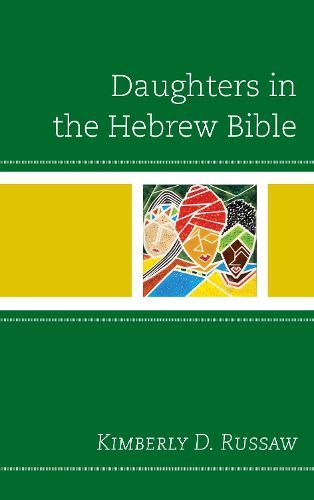
While the expectations and circumstances of women’s lives in ancient Israel have received considerable attention in recent scholarship, to date little attention has been focused on the role of daughters in Hebrew narrative–that is, of yet unmarried female members of the household, who are not yet mothers. Kimberly D. Russaw argues that daughters are more than foils for the males (fathers, brothers, etc.) in biblical narratives and that they often use particular tactics to navigate antagonistic systems of power in their worlds. Institutions and power structures favor the patriarch, sons inherit such privileges and benefits, and wives and mothers are ascribed special status because they ensure the patrilineal legacy by birthing sons; but daughters do not receive such social favor or standing. Instead of privileging daughters, systems and institutions control their bodies, restrict their access, and constrict their movement. Combining philological data, social-science models, and cross-cultural comparisons, Russaw examines the systems that constrict biblical daughters in their worlds and the strategies they employ when hostile social forces threaten their well-being.
$9.00 standard shipping within Australia
FREE standard shipping within Australia for orders over $100.00
Express & International shipping calculated at checkout
Stock availability can be subject to change without notice. We recommend calling the shop or contacting our online team to check availability of low stock items. Please see our Shopping Online page for more details.
While the expectations and circumstances of women’s lives in ancient Israel have received considerable attention in recent scholarship, to date little attention has been focused on the role of daughters in Hebrew narrative–that is, of yet unmarried female members of the household, who are not yet mothers. Kimberly D. Russaw argues that daughters are more than foils for the males (fathers, brothers, etc.) in biblical narratives and that they often use particular tactics to navigate antagonistic systems of power in their worlds. Institutions and power structures favor the patriarch, sons inherit such privileges and benefits, and wives and mothers are ascribed special status because they ensure the patrilineal legacy by birthing sons; but daughters do not receive such social favor or standing. Instead of privileging daughters, systems and institutions control their bodies, restrict their access, and constrict their movement. Combining philological data, social-science models, and cross-cultural comparisons, Russaw examines the systems that constrict biblical daughters in their worlds and the strategies they employ when hostile social forces threaten their well-being.
Search our extensive online catalogue.
