Readings Newsletter
Become a Readings Member to make your shopping experience even easier.
Sign in or sign up for free!
You’re not far away from qualifying for FREE standard shipping within Australia
You’ve qualified for FREE standard shipping within Australia
The cart is loading…


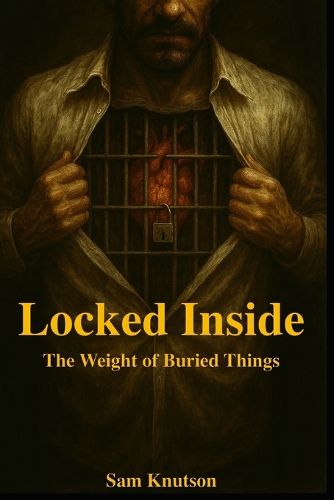
This book documents one man's journey through severe childhood abuse and its lifelong aftermath-not as inspiration, but as raw testimony of what survival actually costs. Sam Knutson presents three collections of orchestral rap lyrics that map trauma's architecture from the inside out. Collection I explores the daily struggle with hypervigilance, trust issues, and emotional numbness-symptoms experienced for years before understanding their source. Collection II turns inward, claiming solitary strength when connection fails, documenting the exhausting performance of functionality while carrying invisible weight. Collection III descends into the origin: naming an abusive father's violence, a mother's strategic abandonment, and toxic relationships that fed on existing wounds. Written originally as songs and performed by AI to give the author's pain an external voice, these pieces refuse neat redemption narratives. There's no forgiveness, no transcendent healing, no triumphant recovery. Instead, Knutson offers something more honest: management. The transformation from being controlled by internalized demons to becoming their warden-not eliminating trauma's effects but claiming authority over them. Each poem is followed by intimate context that unpacks what's actually happening beneath the metaphors. The author explains his hyperplanning as a survival mechanism, his emotional flatness as protective shutdown, his catastrophizing as learned pattern from a childhood where reading danger in floorboard creaks determined safety. This book exists for two audiences: for the author himself, who needed to excavate what he'd buried, and for anyone carrying similar weight who might recognize themselves in these words. It's company in the darkness, permission to manage rather than heal, and documentation that survival-however ungraceful, however costly-is its own valid form of strength. The demons still live in the halls. But the warden holds the keys. And sometimes, after everything, that's enough.
$9.00 standard shipping within Australia
FREE standard shipping within Australia for orders over $100.00
Express & International shipping calculated at checkout
Stock availability can be subject to change without notice. We recommend calling the shop or contacting our online team to check availability of low stock items. Please see our Shopping Online page for more details.
This book documents one man's journey through severe childhood abuse and its lifelong aftermath-not as inspiration, but as raw testimony of what survival actually costs. Sam Knutson presents three collections of orchestral rap lyrics that map trauma's architecture from the inside out. Collection I explores the daily struggle with hypervigilance, trust issues, and emotional numbness-symptoms experienced for years before understanding their source. Collection II turns inward, claiming solitary strength when connection fails, documenting the exhausting performance of functionality while carrying invisible weight. Collection III descends into the origin: naming an abusive father's violence, a mother's strategic abandonment, and toxic relationships that fed on existing wounds. Written originally as songs and performed by AI to give the author's pain an external voice, these pieces refuse neat redemption narratives. There's no forgiveness, no transcendent healing, no triumphant recovery. Instead, Knutson offers something more honest: management. The transformation from being controlled by internalized demons to becoming their warden-not eliminating trauma's effects but claiming authority over them. Each poem is followed by intimate context that unpacks what's actually happening beneath the metaphors. The author explains his hyperplanning as a survival mechanism, his emotional flatness as protective shutdown, his catastrophizing as learned pattern from a childhood where reading danger in floorboard creaks determined safety. This book exists for two audiences: for the author himself, who needed to excavate what he'd buried, and for anyone carrying similar weight who might recognize themselves in these words. It's company in the darkness, permission to manage rather than heal, and documentation that survival-however ungraceful, however costly-is its own valid form of strength. The demons still live in the halls. But the warden holds the keys. And sometimes, after everything, that's enough.
Search our extensive online catalogue.
