Readings Newsletter
Become a Readings Member to make your shopping experience even easier.
Sign in or sign up for free!
You’re not far away from qualifying for FREE standard shipping within Australia
You’ve qualified for FREE standard shipping within Australia
The cart is loading…


During the three decades following the Second World War, and before the advent of personal computers, government investment in university research in North America and the UK funded multidisciplinary projects to investigate the use of computers for manufacturing and design.
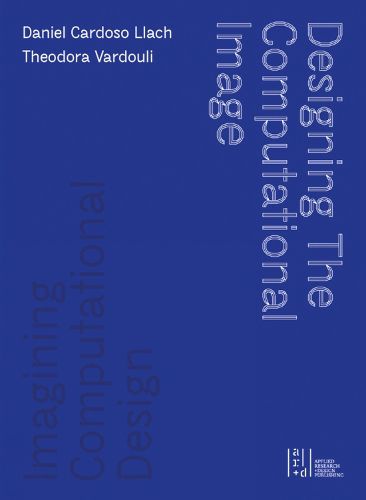
Designing the Computational Image, Imagining Computational Design explores this period of remarkable inventiveness, and traces its repercussions on architecture and other creative fields through a selection of computational designers working today. Situating contemporary expressions of design in relation to broader historical, disciplinary, and technical frames, the book showcases the confluence, during the second half of the twentieth century, of publicly funded technical innovations in software, geometry, and hardware with a cultural imaginary of design endowing computer-generated images with both geometric plasticity and a new type of agency as operative design artifacts.
$9.00 standard shipping within Australia
FREE standard shipping within Australia for orders over $100.00
Express & International shipping calculated at checkout
Stock availability can be subject to change without notice. We recommend calling the shop or contacting our online team to check availability of low stock items. Please see our Shopping Online page for more details.
During the three decades following the Second World War, and before the advent of personal computers, government investment in university research in North America and the UK funded multidisciplinary projects to investigate the use of computers for manufacturing and design.
Designing the Computational Image, Imagining Computational Design explores this period of remarkable inventiveness, and traces its repercussions on architecture and other creative fields through a selection of computational designers working today. Situating contemporary expressions of design in relation to broader historical, disciplinary, and technical frames, the book showcases the confluence, during the second half of the twentieth century, of publicly funded technical innovations in software, geometry, and hardware with a cultural imaginary of design endowing computer-generated images with both geometric plasticity and a new type of agency as operative design artifacts.
Search our extensive online catalogue.
