Readings Newsletter
Become a Readings Member to make your shopping experience even easier.
Sign in or sign up for free!
You’re not far away from qualifying for FREE standard shipping within Australia
You’ve qualified for FREE standard shipping within Australia
The cart is loading…


This title is printed to order. This book may have been self-published. If so, we cannot guarantee the quality of the content. In the main most books will have gone through the editing process however some may not. We therefore suggest that you be aware of this before ordering this book. If in doubt check either the author or publisher’s details as we are unable to accept any returns unless they are faulty. Please contact us if you have any questions.
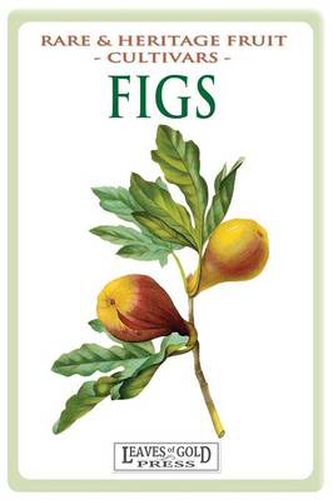
FIGS (Rare and Heritage Fruit Cultivars #13) The taste of a tree-ripened, freshly-picked fig, is sublime. Never judge figs on the specimens available in supermarkets, which are often dry and inferior. A ripe, fresh fig should be tender and slightly soft. When you bite into it, a silky surge of juicy, rich flavour fills your mouth, tasting like jam eaten straight out of the jar - only infinitely more subtle and complex, with overtones of honey and wine. The interior of the fruit is packed with luscious flowerlets lapped in a sweet, glistening syrup. The fruit of the fig tree has been sought out and cultivated by man since ancient times, and is now widely grown throughout the temperate world, both for its fruit and as an ornamental plant. Hundreds of named fig cultivars now exist, but only a handful are commercially grown. Find out more about the amazing heirloom varieties within these pages. This book is one of a series written for ‘backyard farmers’ of the 21st century. The series focuses on rare and heritage fruit in Australia, although it includes much information of interest to fruit enthusiasts around the world. ‘Heritage’ or ‘heirloom’ fruits such as old-fashioned varieties of apple, quince, fig, plum, peach and pear are increasingly popular due to their diverse flavours, excellent nutritional qualities and other desirable characteristics. They are part of our horticultural, vintage and culinary inheritance. To pick a tree-ripened heritage fruit from your own back yard and bite into it is to experience the taste of fresh food as our forefathers knew it. During the 18th, 19th and early 20th centuries fruit diversity was huge, but in modern supermarkets only a limited range of commercial fruit varieties is now available to consumers. Heritage, heirloom and rare fruit enthusiasts across the world are currently reviving our horticultural legacy by renovating old orchards and identifying ‘lost’, unusual and historic fruit varieties. The goal is to make a much wider range of fruit trees available again to the home gardener. This series of handbooks aims to help.
$9.00 standard shipping within Australia
FREE standard shipping within Australia for orders over $100.00
Express & International shipping calculated at checkout
Stock availability can be subject to change without notice. We recommend calling the shop or contacting our online team to check availability of low stock items. Please see our Shopping Online page for more details.
This title is printed to order. This book may have been self-published. If so, we cannot guarantee the quality of the content. In the main most books will have gone through the editing process however some may not. We therefore suggest that you be aware of this before ordering this book. If in doubt check either the author or publisher’s details as we are unable to accept any returns unless they are faulty. Please contact us if you have any questions.
FIGS (Rare and Heritage Fruit Cultivars #13) The taste of a tree-ripened, freshly-picked fig, is sublime. Never judge figs on the specimens available in supermarkets, which are often dry and inferior. A ripe, fresh fig should be tender and slightly soft. When you bite into it, a silky surge of juicy, rich flavour fills your mouth, tasting like jam eaten straight out of the jar - only infinitely more subtle and complex, with overtones of honey and wine. The interior of the fruit is packed with luscious flowerlets lapped in a sweet, glistening syrup. The fruit of the fig tree has been sought out and cultivated by man since ancient times, and is now widely grown throughout the temperate world, both for its fruit and as an ornamental plant. Hundreds of named fig cultivars now exist, but only a handful are commercially grown. Find out more about the amazing heirloom varieties within these pages. This book is one of a series written for ‘backyard farmers’ of the 21st century. The series focuses on rare and heritage fruit in Australia, although it includes much information of interest to fruit enthusiasts around the world. ‘Heritage’ or ‘heirloom’ fruits such as old-fashioned varieties of apple, quince, fig, plum, peach and pear are increasingly popular due to their diverse flavours, excellent nutritional qualities and other desirable characteristics. They are part of our horticultural, vintage and culinary inheritance. To pick a tree-ripened heritage fruit from your own back yard and bite into it is to experience the taste of fresh food as our forefathers knew it. During the 18th, 19th and early 20th centuries fruit diversity was huge, but in modern supermarkets only a limited range of commercial fruit varieties is now available to consumers. Heritage, heirloom and rare fruit enthusiasts across the world are currently reviving our horticultural legacy by renovating old orchards and identifying ‘lost’, unusual and historic fruit varieties. The goal is to make a much wider range of fruit trees available again to the home gardener. This series of handbooks aims to help.
Search our extensive online catalogue.
