Readings Newsletter
Become a Readings Member to make your shopping experience even easier.
Sign in or sign up for free!
You’re not far away from qualifying for FREE standard shipping within Australia
You’ve qualified for FREE standard shipping within Australia
The cart is loading…


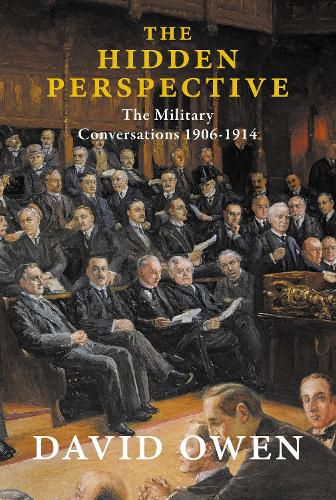
In 1905, British Foreign Secretary Edward Grey agreed to speak secretly with his French counterparts about sending a British expeditionary force to France in the event of a German attack. Neither Parliament nor the rest of the Cabinet was informed. The Hidden Perspective takes readers back to these tense years leading up to World War I and re-creates the stormy Cabinet meetings in the fall of 1911 when the details of the military conversations were finally revealed.
Using contemporary historical documents, David Owen, himself a former foreign secretary, shows how the foreign office’s underlying belief in Britain’s moral obligation to send troops to the Continent influenced political decision-making and helped create the impression that war was inevitable. Had Britain’s diplomatic and naval strategy been handled more skillfully during these years, Owen contends, the carnage of World War I might have been prevented altogether.
$9.00 standard shipping within Australia
FREE standard shipping within Australia for orders over $100.00
Express & International shipping calculated at checkout
Stock availability can be subject to change without notice. We recommend calling the shop or contacting our online team to check availability of low stock items. Please see our Shopping Online page for more details.
In 1905, British Foreign Secretary Edward Grey agreed to speak secretly with his French counterparts about sending a British expeditionary force to France in the event of a German attack. Neither Parliament nor the rest of the Cabinet was informed. The Hidden Perspective takes readers back to these tense years leading up to World War I and re-creates the stormy Cabinet meetings in the fall of 1911 when the details of the military conversations were finally revealed.
Using contemporary historical documents, David Owen, himself a former foreign secretary, shows how the foreign office’s underlying belief in Britain’s moral obligation to send troops to the Continent influenced political decision-making and helped create the impression that war was inevitable. Had Britain’s diplomatic and naval strategy been handled more skillfully during these years, Owen contends, the carnage of World War I might have been prevented altogether.
Search our extensive online catalogue.
