Readings Newsletter
Become a Readings Member to make your shopping experience even easier.
Sign in or sign up for free!
You’re not far away from qualifying for FREE standard shipping within Australia
You’ve qualified for FREE standard shipping within Australia
The cart is loading…


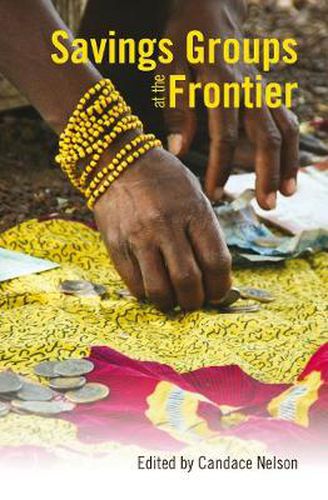
Savings Groups reach those rarely served by mainstream financial institutions.Maximum transparency, a profitable structure for saving, access to small loans and an annual lump sum of capital are the hallmarks of the savings group methodology. The outcome: empowered groups, made up mostly of women, who manage themselves as tiny financial institutions. Today there are savings groups in 60 countries with more than 6 million members, the result of initiatives carried out by dozens of international and local NGOs. What are the costs, required inputs, and anticipated outreach of these groups? How does replication take place? How sustainable are the groups? Is it feasible to integrate financial and non-financial services? Are linkages to the formal system desirable? What is the impact of groups on members and their households? How can performance be managed? This book addresses issues, not from the perspective of the financial institution, but in support of group members and savers who are managing their own financial services.This book is essential reading for all those concerned with extending financial services to the poor.
$9.00 standard shipping within Australia
FREE standard shipping within Australia for orders over $100.00
Express & International shipping calculated at checkout
Stock availability can be subject to change without notice. We recommend calling the shop or contacting our online team to check availability of low stock items. Please see our Shopping Online page for more details.
Savings Groups reach those rarely served by mainstream financial institutions.Maximum transparency, a profitable structure for saving, access to small loans and an annual lump sum of capital are the hallmarks of the savings group methodology. The outcome: empowered groups, made up mostly of women, who manage themselves as tiny financial institutions. Today there are savings groups in 60 countries with more than 6 million members, the result of initiatives carried out by dozens of international and local NGOs. What are the costs, required inputs, and anticipated outreach of these groups? How does replication take place? How sustainable are the groups? Is it feasible to integrate financial and non-financial services? Are linkages to the formal system desirable? What is the impact of groups on members and their households? How can performance be managed? This book addresses issues, not from the perspective of the financial institution, but in support of group members and savers who are managing their own financial services.This book is essential reading for all those concerned with extending financial services to the poor.
Search our extensive online catalogue.
