Readings Newsletter
Become a Readings Member to make your shopping experience even easier.
Sign in or sign up for free!
You’re not far away from qualifying for FREE standard shipping within Australia
You’ve qualified for FREE standard shipping within Australia
The cart is loading…


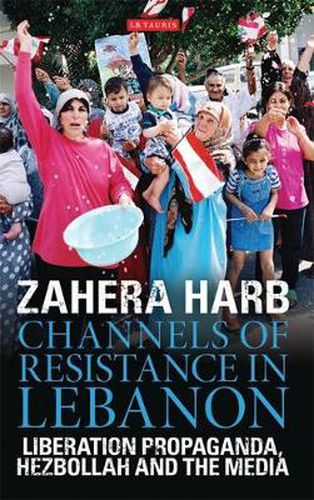
The South Lebanon conflict saw two decades of sustained resistance by the Lebanese to the Israeli occupation. The Lebanese media’s role in achieving liberation over this period is significant, through campaigns conducted to unify the Lebanese people against their foreign occupier and in support of the Lebanese resistance in South Lebanon. This book investigates the culture and performance of Lebanese journalism in this setting. It is a story about journalism told by a journalist who is also using tools of scholarship and research to narrate her story and the story of her fellow journalists. Zahera Harb is also presenting here an alternative interpretation of propaganda under conditions of foreign occupation and the struggle against that occupation. She identifies the characteristics of ‘liberation propaganda’ through the coverage and experience of the two Lebanese TV stations Tele Liban and Al Manar within the historical, cultural, organisational and religious contexts in which they operated, and how these elements shaped their professional practice and their news values.
$9.00 standard shipping within Australia
FREE standard shipping within Australia for orders over $100.00
Express & International shipping calculated at checkout
Stock availability can be subject to change without notice. We recommend calling the shop or contacting our online team to check availability of low stock items. Please see our Shopping Online page for more details.
The South Lebanon conflict saw two decades of sustained resistance by the Lebanese to the Israeli occupation. The Lebanese media’s role in achieving liberation over this period is significant, through campaigns conducted to unify the Lebanese people against their foreign occupier and in support of the Lebanese resistance in South Lebanon. This book investigates the culture and performance of Lebanese journalism in this setting. It is a story about journalism told by a journalist who is also using tools of scholarship and research to narrate her story and the story of her fellow journalists. Zahera Harb is also presenting here an alternative interpretation of propaganda under conditions of foreign occupation and the struggle against that occupation. She identifies the characteristics of ‘liberation propaganda’ through the coverage and experience of the two Lebanese TV stations Tele Liban and Al Manar within the historical, cultural, organisational and religious contexts in which they operated, and how these elements shaped their professional practice and their news values.
Search our extensive online catalogue.
