Readings Newsletter
Become a Readings Member to make your shopping experience even easier.
Sign in or sign up for free!
You’re not far away from qualifying for FREE standard shipping within Australia
You’ve qualified for FREE standard shipping within Australia
The cart is loading…


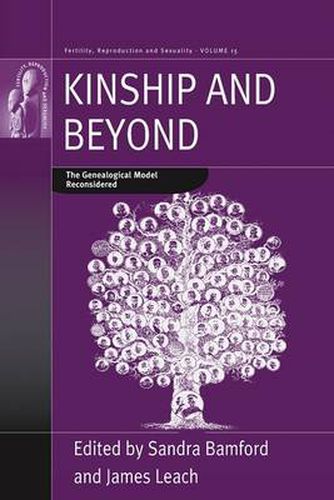
The genealogical model has a long-standing history in Western thought. The contributors to this volume consider the ways in which assumptions about the genealogical model-in particular, ideas concerning sequence, essence, and transmission-structure other modes of practice and knowledge-making in domains well beyond what is normally labeled kinship. The detailed ethnographic work and analysis included in this text explores how these assumptions have been built into our understandings of race, personhood, ethnicity, property relations, and the relationship between human beings and non-human species. The authors explore the influences of the genealogical model of kinship in wider social theory and examine anthropology’s ability to provide a unique framework capable of bridging the social and natural sciences. In doing so, this volume brings fresh new perspectives to bear on contemporary theories concerning biotechnology and its effect upon social life.
$9.00 standard shipping within Australia
FREE standard shipping within Australia for orders over $100.00
Express & International shipping calculated at checkout
Stock availability can be subject to change without notice. We recommend calling the shop or contacting our online team to check availability of low stock items. Please see our Shopping Online page for more details.
The genealogical model has a long-standing history in Western thought. The contributors to this volume consider the ways in which assumptions about the genealogical model-in particular, ideas concerning sequence, essence, and transmission-structure other modes of practice and knowledge-making in domains well beyond what is normally labeled kinship. The detailed ethnographic work and analysis included in this text explores how these assumptions have been built into our understandings of race, personhood, ethnicity, property relations, and the relationship between human beings and non-human species. The authors explore the influences of the genealogical model of kinship in wider social theory and examine anthropology’s ability to provide a unique framework capable of bridging the social and natural sciences. In doing so, this volume brings fresh new perspectives to bear on contemporary theories concerning biotechnology and its effect upon social life.
Search our extensive online catalogue.
