Readings Newsletter
Become a Readings Member to make your shopping experience even easier.
Sign in or sign up for free!
You’re not far away from qualifying for FREE standard shipping within Australia
You’ve qualified for FREE standard shipping within Australia
The cart is loading…


This title is printed to order. This book may have been self-published. If so, we cannot guarantee the quality of the content. In the main most books will have gone through the editing process however some may not. We therefore suggest that you be aware of this before ordering this book. If in doubt check either the author or publisher’s details as we are unable to accept any returns unless they are faulty. Please contact us if you have any questions.
The reversal of creation to a non-functional state is understood to be symbolic of God's judgement, whereas its restoration symbolizes hope. A firm understanding of the crucial theological topic of creation is essential for comprehending the canonical story and redemptive history present in Genesis 1-3. Yet how has the traditional progressive reading of these chapters formed our understanding of the goodness of creation in relation to perfection and functionality?
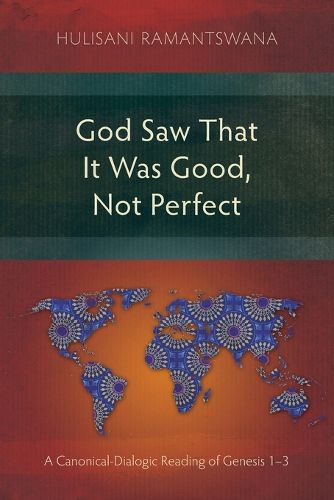
Considering the broader canonical context, Dr. Hulisani Ramantswana challenges the standard interpretation of these chapters and argues that the goodness of creation does not imply perfection, but instead infers its functionality. Proposing an alternative reading, he contends the hope in a new heaven and new earth suggests a radical transformation of the "good" creation instead of merely a restoration. Through analyzing the formula of approval in Genesis 1-3, he considers the impact this reframing of "goodness" might have on the doctrine of creation and how it aids in comprehending our position in a creation that is flawed by evil. Stimulating and thought-provoking, those interested in cultivating a deeper understanding creation and re-creation in the canonical perspective will appreciate this study.
$9.00 standard shipping within Australia
FREE standard shipping within Australia for orders over $100.00
Express & International shipping calculated at checkout
Stock availability can be subject to change without notice. We recommend calling the shop or contacting our online team to check availability of low stock items. Please see our Shopping Online page for more details.
This title is printed to order. This book may have been self-published. If so, we cannot guarantee the quality of the content. In the main most books will have gone through the editing process however some may not. We therefore suggest that you be aware of this before ordering this book. If in doubt check either the author or publisher’s details as we are unable to accept any returns unless they are faulty. Please contact us if you have any questions.
The reversal of creation to a non-functional state is understood to be symbolic of God's judgement, whereas its restoration symbolizes hope. A firm understanding of the crucial theological topic of creation is essential for comprehending the canonical story and redemptive history present in Genesis 1-3. Yet how has the traditional progressive reading of these chapters formed our understanding of the goodness of creation in relation to perfection and functionality?
Considering the broader canonical context, Dr. Hulisani Ramantswana challenges the standard interpretation of these chapters and argues that the goodness of creation does not imply perfection, but instead infers its functionality. Proposing an alternative reading, he contends the hope in a new heaven and new earth suggests a radical transformation of the "good" creation instead of merely a restoration. Through analyzing the formula of approval in Genesis 1-3, he considers the impact this reframing of "goodness" might have on the doctrine of creation and how it aids in comprehending our position in a creation that is flawed by evil. Stimulating and thought-provoking, those interested in cultivating a deeper understanding creation and re-creation in the canonical perspective will appreciate this study.
Search our extensive online catalogue.
