Readings Newsletter
Become a Readings Member to make your shopping experience even easier.
Sign in or sign up for free!
You’re not far away from qualifying for FREE standard shipping within Australia
You’ve qualified for FREE standard shipping within Australia
The cart is loading…


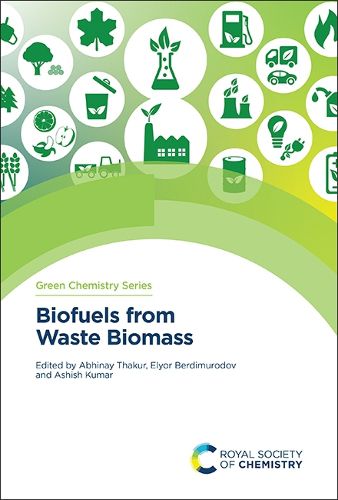
Biofuels offer a more sustainable alternative to fossil fuels as they are derived from biomass that can be produced renewably. First generation biofuels posed significant problems because they were either derived from biomass that could be used for food, or that would compete for land with food crops. Widespread uptake of these fuels would have driven up food prices and potentially lead to food shortages. Subsequent research has focused on methods that do not cause this problem. A promising direction is the use of waste biomass that comes from agriculture, food processing and other industries. By using these resources that would otherwise become waste not only can we produce fuels more sustainably, but we can also reduce the amount of waste needing disposal.
Covering fuel types from liquid transportation fuels to biohydrogen, this book provides a thorough overview of how waste biomass can be introduced for a variety of applications. Including discussion of commercial viability and supply chain logistics, this is an interesting read for anyone working in biofuel research or the oil and gas industry or looking at energy policy development.
$9.00 standard shipping within Australia
FREE standard shipping within Australia for orders over $100.00
Express & International shipping calculated at checkout
Stock availability can be subject to change without notice. We recommend calling the shop or contacting our online team to check availability of low stock items. Please see our Shopping Online page for more details.
Biofuels offer a more sustainable alternative to fossil fuels as they are derived from biomass that can be produced renewably. First generation biofuels posed significant problems because they were either derived from biomass that could be used for food, or that would compete for land with food crops. Widespread uptake of these fuels would have driven up food prices and potentially lead to food shortages. Subsequent research has focused on methods that do not cause this problem. A promising direction is the use of waste biomass that comes from agriculture, food processing and other industries. By using these resources that would otherwise become waste not only can we produce fuels more sustainably, but we can also reduce the amount of waste needing disposal.
Covering fuel types from liquid transportation fuels to biohydrogen, this book provides a thorough overview of how waste biomass can be introduced for a variety of applications. Including discussion of commercial viability and supply chain logistics, this is an interesting read for anyone working in biofuel research or the oil and gas industry or looking at energy policy development.
Search our extensive online catalogue.
