Readings Newsletter
Become a Readings Member to make your shopping experience even easier.
Sign in or sign up for free!
You’re not far away from qualifying for FREE standard shipping within Australia
You’ve qualified for FREE standard shipping within Australia
The cart is loading…


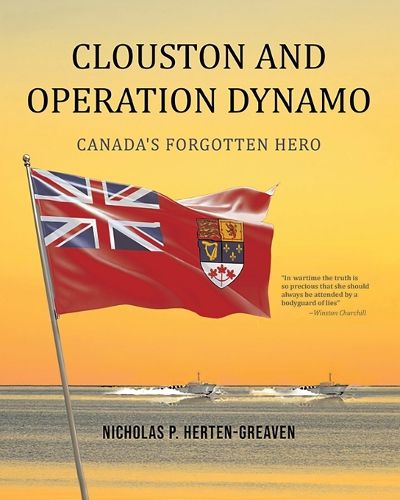
Commander James Campbell Clouston's pivotal role in the evacuation of some 167,000 British troops is beyond dispute. His actions are reviewed in this book, including the fraught situation he got caught up in, which was to cost him his life. He was found to be in the way for two different reasons. First, the Admiralty had suddenly banned ships from going anywhere near Dunkirk during daylight hours, and no ships meant Clouston would have had nothing to do all day. How was he supposed to proceed? He wasn't. He was ferreted back to England. The official statement that he'd gone back for a meal, a shower and a rest is nonsense.
The second, perhaps greater, problem came from Cabinet's decision that there was to be a Miracle of Deliverance, all about drama on the beaches and not about the Dunkirk Pier. Yet Clouston had been key to evacuating the lion's share of troops from the pier. But how was he supposed to fit in with Cabinet's freshly prescribed Miracle? Again, he wasn't.
He and thirty-five volunteers were dispatched back to Dunkirk in broad daylight, under a clear sky that was swarming with Stukas. Commander Clouston's boat was attacked and sunk, and he and his crew were left to drown. A cover-up followed. Traditions were dispensed with, and when the time came for rescue, Dynamo looked the other way. The question is why.
$9.00 standard shipping within Australia
FREE standard shipping within Australia for orders over $100.00
Express & International shipping calculated at checkout
Stock availability can be subject to change without notice. We recommend calling the shop or contacting our online team to check availability of low stock items. Please see our Shopping Online page for more details.
Commander James Campbell Clouston's pivotal role in the evacuation of some 167,000 British troops is beyond dispute. His actions are reviewed in this book, including the fraught situation he got caught up in, which was to cost him his life. He was found to be in the way for two different reasons. First, the Admiralty had suddenly banned ships from going anywhere near Dunkirk during daylight hours, and no ships meant Clouston would have had nothing to do all day. How was he supposed to proceed? He wasn't. He was ferreted back to England. The official statement that he'd gone back for a meal, a shower and a rest is nonsense.
The second, perhaps greater, problem came from Cabinet's decision that there was to be a Miracle of Deliverance, all about drama on the beaches and not about the Dunkirk Pier. Yet Clouston had been key to evacuating the lion's share of troops from the pier. But how was he supposed to fit in with Cabinet's freshly prescribed Miracle? Again, he wasn't.
He and thirty-five volunteers were dispatched back to Dunkirk in broad daylight, under a clear sky that was swarming with Stukas. Commander Clouston's boat was attacked and sunk, and he and his crew were left to drown. A cover-up followed. Traditions were dispensed with, and when the time came for rescue, Dynamo looked the other way. The question is why.
Search our extensive online catalogue.
