Readings Newsletter
Become a Readings Member to make your shopping experience even easier.
Sign in or sign up for free!
You’re not far away from qualifying for FREE standard shipping within Australia
You’ve qualified for FREE standard shipping within Australia
The cart is loading…


An impressive work, both methodologically and theoretically, which brings clear novelties to the flourishing field of language teacher identity research.
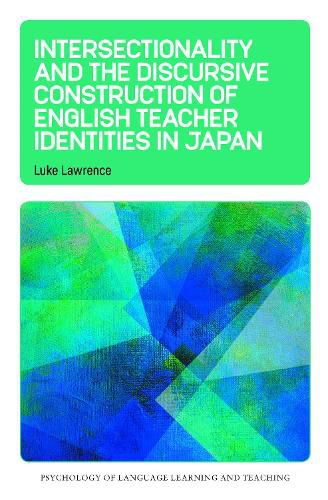
This book aims to disrupt the native-speaker/non-native-speaker binary through a study of the construction of English teacher identities in Japan. The book suggests that macro discourses in the Japanese context, as well as institutional processes, are powerful forces in perpetuating native-speakerist discourses and ascribing identity labels.
However, in self-identification and in interactions with students, the results are found to be more nuanced, with a complex picture of identity construction emerging that questions the binary nature of the "native speaker/non-native speaker" duality. This complexity rests on the intersectional nature of identity construction and highlights the importance of taking into account the intersectionality of a variety of identity markers when researching language teacher identity.
$9.00 standard shipping within Australia
FREE standard shipping within Australia for orders over $100.00
Express & International shipping calculated at checkout
Stock availability can be subject to change without notice. We recommend calling the shop or contacting our online team to check availability of low stock items. Please see our Shopping Online page for more details.
An impressive work, both methodologically and theoretically, which brings clear novelties to the flourishing field of language teacher identity research.
This book aims to disrupt the native-speaker/non-native-speaker binary through a study of the construction of English teacher identities in Japan. The book suggests that macro discourses in the Japanese context, as well as institutional processes, are powerful forces in perpetuating native-speakerist discourses and ascribing identity labels.
However, in self-identification and in interactions with students, the results are found to be more nuanced, with a complex picture of identity construction emerging that questions the binary nature of the "native speaker/non-native speaker" duality. This complexity rests on the intersectional nature of identity construction and highlights the importance of taking into account the intersectionality of a variety of identity markers when researching language teacher identity.
Search our extensive online catalogue.
