Readings Newsletter
Become a Readings Member to make your shopping experience even easier.
Sign in or sign up for free!
You’re not far away from qualifying for FREE standard shipping within Australia
You’ve qualified for FREE standard shipping within Australia
The cart is loading…


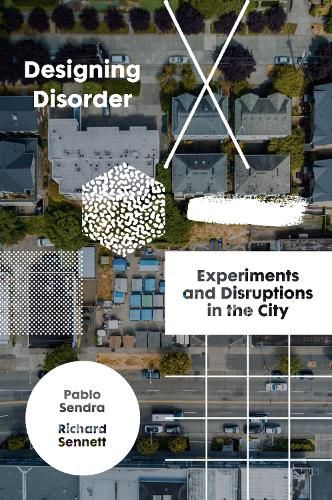
In 1970, Richard Sennett published the groundbreaking The Uses of Disorder, arguing that the ideal of a planned and ordered city was flawed. Fifty years later, Sennett returns to these still fertile ideas and, alongside campaigner and architect Pablo Sendra, sets out an agenda for the design and ethics of the Open City.
The public spaces of our cities are under siege from planners, privatisation and increased surveillance. Our streets are becoming ever more lifeless and ordered. What is to be done? Can disorder be designed? In this provocative essay Sendra and Sennett propose a reorganisation of how we think and plan the social life of our cities. ‘Infrastructures of disorder’ combine architecture, politics, urban planning and activism in order to develop places that nurture rather than stifle, bring together rather than divide up, remain open to change rather than closed off.
$9.00 standard shipping within Australia
FREE standard shipping within Australia for orders over $100.00
Express & International shipping calculated at checkout
Stock availability can be subject to change without notice. We recommend calling the shop or contacting our online team to check availability of low stock items. Please see our Shopping Online page for more details.
In 1970, Richard Sennett published the groundbreaking The Uses of Disorder, arguing that the ideal of a planned and ordered city was flawed. Fifty years later, Sennett returns to these still fertile ideas and, alongside campaigner and architect Pablo Sendra, sets out an agenda for the design and ethics of the Open City.
The public spaces of our cities are under siege from planners, privatisation and increased surveillance. Our streets are becoming ever more lifeless and ordered. What is to be done? Can disorder be designed? In this provocative essay Sendra and Sennett propose a reorganisation of how we think and plan the social life of our cities. ‘Infrastructures of disorder’ combine architecture, politics, urban planning and activism in order to develop places that nurture rather than stifle, bring together rather than divide up, remain open to change rather than closed off.
Search our extensive online catalogue.
