Readings Newsletter
Become a Readings Member to make your shopping experience even easier.
Sign in or sign up for free!
You’re not far away from qualifying for FREE standard shipping within Australia
You’ve qualified for FREE standard shipping within Australia
The cart is loading…


Men despise religion. They hate it and are afraid it may be true,
declared Pascal in his Pensees.
The cure for this,
he explained,
is first to show that religion is not contrary to reason, but worthy of reverence and respect. Next make it attractive, make good men wish it were true, and then show that it is.
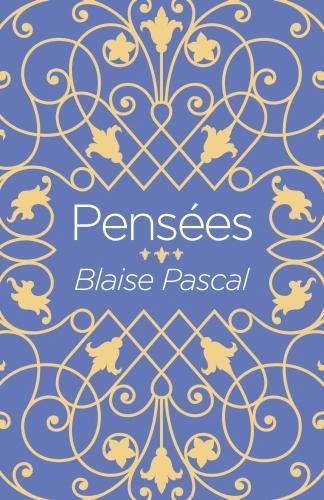
Motivated by the 17th-century view of the supremacy of human reason, Pascal (1623-1662) intended to write an ambitious apologia for Christianity, in which he argued the inability of reason to address metaphysical problems. While Pascal’s untimely death prevented his completion of the work, these fragments published posthumously in 1670 as Pensees remain a vital part of religious and philosophical literature. Introduction by T. S. Eliot.
$9.00 standard shipping within Australia
FREE standard shipping within Australia for orders over $100.00
Express & International shipping calculated at checkout
Stock availability can be subject to change without notice. We recommend calling the shop or contacting our online team to check availability of low stock items. Please see our Shopping Online page for more details.
Men despise religion. They hate it and are afraid it may be true,
declared Pascal in his Pensees.
The cure for this,
he explained,
is first to show that religion is not contrary to reason, but worthy of reverence and respect. Next make it attractive, make good men wish it were true, and then show that it is.
Motivated by the 17th-century view of the supremacy of human reason, Pascal (1623-1662) intended to write an ambitious apologia for Christianity, in which he argued the inability of reason to address metaphysical problems. While Pascal’s untimely death prevented his completion of the work, these fragments published posthumously in 1670 as Pensees remain a vital part of religious and philosophical literature. Introduction by T. S. Eliot.
Search our extensive online catalogue.
