Readings Newsletter
Become a Readings Member to make your shopping experience even easier.
Sign in or sign up for free!
You’re not far away from qualifying for FREE standard shipping within Australia
You’ve qualified for FREE standard shipping within Australia
The cart is loading…


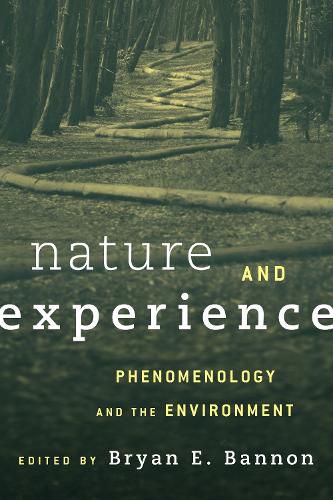
What do we mean when we speak about and advocate for ‘nature’? Do inanimate beings possess agency, and if so what is its structure? What role does metaphor play in our understanding of and relation to the environment? How does nature contribute to human well-being?
By bringing the concerns and methods of phenomenology to bear on questions such as these, this book seeks to redefine how environmental issues are perceived and discussed and demonstrates the relevance of phenomenological inquiry to a broader audience in environmental studies. The book examines what phenomenology must be like to address the practical and philosophical issues that emerge within environmental philosophy, what practical contributions phenomenology might make to environmental studies and policy making more generally, and the nature of our human relationship with the environment and the best way for us to engage with it.
$9.00 standard shipping within Australia
FREE standard shipping within Australia for orders over $100.00
Express & International shipping calculated at checkout
Stock availability can be subject to change without notice. We recommend calling the shop or contacting our online team to check availability of low stock items. Please see our Shopping Online page for more details.
What do we mean when we speak about and advocate for ‘nature’? Do inanimate beings possess agency, and if so what is its structure? What role does metaphor play in our understanding of and relation to the environment? How does nature contribute to human well-being?
By bringing the concerns and methods of phenomenology to bear on questions such as these, this book seeks to redefine how environmental issues are perceived and discussed and demonstrates the relevance of phenomenological inquiry to a broader audience in environmental studies. The book examines what phenomenology must be like to address the practical and philosophical issues that emerge within environmental philosophy, what practical contributions phenomenology might make to environmental studies and policy making more generally, and the nature of our human relationship with the environment and the best way for us to engage with it.
Search our extensive online catalogue.
