Readings Newsletter
Become a Readings Member to make your shopping experience even easier.
Sign in or sign up for free!
You’re not far away from qualifying for FREE standard shipping within Australia
You’ve qualified for FREE standard shipping within Australia
The cart is loading…


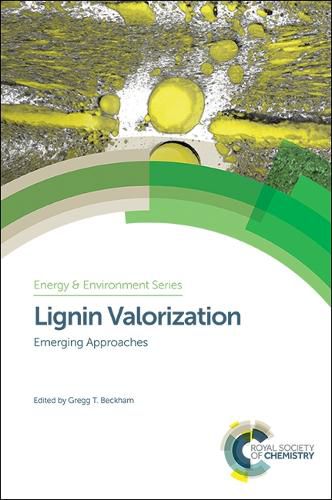
Lignin, an aromatic biopolymer found in plant cell walls, is a key component of lignocellulosic biomass and generally utilized for heat and power. However, lignin’s chemical composition makes it an attractive source for biological and catalytic conversion to fuels and chemicals. Bringing together experts from biology, catalysis, engineering, analytical chemistry, and techno-economic/life-cycle analysis, Lignin Valorization presents a comprehensive, interdisciplinary picture of how lignocellulosic biorefineries could potentially employ lignin valorization technologies.
Chapters will specifically focus on the production of fuels and chemicals from lignin and topics covered include (i) methods for isolating lignin in the context of the lignocellulosic biorefinery, (ii) thermal, chemo-catalytic, and biological methods for lignin depolymerization, (iii) chemo-catalytic and biological methods for upgrading lignin, (iv) characterization of lignin, and (v) techno-economic and life-cycle analysis of integrated processes to utilize lignin in an integrated biorefinery.
The book provides the latest breakthroughs and challenges in upgrading lignin to fuels and chemicals for graduate students and researchers in academia, governmental laboratories, and industry interested in biomass conversion.
$9.00 standard shipping within Australia
FREE standard shipping within Australia for orders over $100.00
Express & International shipping calculated at checkout
Stock availability can be subject to change without notice. We recommend calling the shop or contacting our online team to check availability of low stock items. Please see our Shopping Online page for more details.
Lignin, an aromatic biopolymer found in plant cell walls, is a key component of lignocellulosic biomass and generally utilized for heat and power. However, lignin’s chemical composition makes it an attractive source for biological and catalytic conversion to fuels and chemicals. Bringing together experts from biology, catalysis, engineering, analytical chemistry, and techno-economic/life-cycle analysis, Lignin Valorization presents a comprehensive, interdisciplinary picture of how lignocellulosic biorefineries could potentially employ lignin valorization technologies.
Chapters will specifically focus on the production of fuels and chemicals from lignin and topics covered include (i) methods for isolating lignin in the context of the lignocellulosic biorefinery, (ii) thermal, chemo-catalytic, and biological methods for lignin depolymerization, (iii) chemo-catalytic and biological methods for upgrading lignin, (iv) characterization of lignin, and (v) techno-economic and life-cycle analysis of integrated processes to utilize lignin in an integrated biorefinery.
The book provides the latest breakthroughs and challenges in upgrading lignin to fuels and chemicals for graduate students and researchers in academia, governmental laboratories, and industry interested in biomass conversion.
Search our extensive online catalogue.
