Readings Newsletter
Become a Readings Member to make your shopping experience even easier.
Sign in or sign up for free!
You’re not far away from qualifying for FREE standard shipping within Australia
You’ve qualified for FREE standard shipping within Australia
The cart is loading…


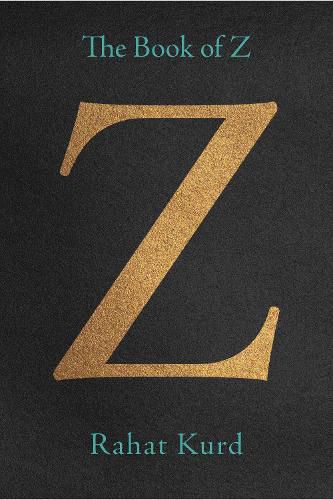
The Book of Z reconsiders mystical possibilities above all, longing for divine union found by poets within scriptural language. For a thousand years the story of Zulaykha "the wife of Aziz" in the Qur'an and her passion for Yusuf has been celebrated in classical and contemporary Persian and Urdu poetry, in Muslim folk traditions, and in Persian and Mughal miniature painting. At the same time, as the Biblical "wife of Potiphar" she has been just as indelibly cast as temptress in misogynistic cautionary tales and canonical Western art. Rahat Kurd writes in the vividly imagined voice of a Zulaykha who considers her Abrahamic lineage from its estranged and fragmented reality, asking what consolation human desire and divine longing might offer our shared present tense.
$9.00 standard shipping within Australia
FREE standard shipping within Australia for orders over $100.00
Express & International shipping calculated at checkout
Stock availability can be subject to change without notice. We recommend calling the shop or contacting our online team to check availability of low stock items. Please see our Shopping Online page for more details.
The Book of Z reconsiders mystical possibilities above all, longing for divine union found by poets within scriptural language. For a thousand years the story of Zulaykha "the wife of Aziz" in the Qur'an and her passion for Yusuf has been celebrated in classical and contemporary Persian and Urdu poetry, in Muslim folk traditions, and in Persian and Mughal miniature painting. At the same time, as the Biblical "wife of Potiphar" she has been just as indelibly cast as temptress in misogynistic cautionary tales and canonical Western art. Rahat Kurd writes in the vividly imagined voice of a Zulaykha who considers her Abrahamic lineage from its estranged and fragmented reality, asking what consolation human desire and divine longing might offer our shared present tense.
Search our extensive online catalogue.
