Readings Newsletter
Become a Readings Member to make your shopping experience even easier.
Sign in or sign up for free!
You’re not far away from qualifying for FREE standard shipping within Australia
You’ve qualified for FREE standard shipping within Australia
The cart is loading…


By the early 1950s, art societies and academies held a tight grip on what could and could not be shown in their annual public exhibitions. Their juries were conservative tastemakers and rabid anti-modernists. Abstract art was rarely selected for display, thus robbing innovative painters of opportunities to have their work seen, reviewed, and purchased. With no outlets to show their art, ambitious, impatient painters sought alternative exhibition venues as a means of advocating for changes in the status quo.
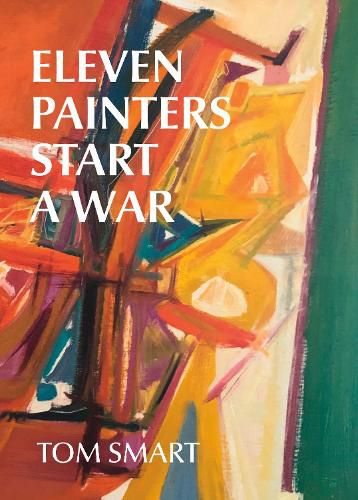
In Eleven Painters Start a War, Tom Smart tells the story of the "Painters Eleven," a group of abstract painters whose anti-establishment ethos was defined by a respect for diversity, creative freedom, abstraction, and contempt for aesthetic complacency. He charts their paths through the 1950s and early 60s as they fight for the acceptance of abstract painting in Canadian art galleries, the critical press, and in the public imagination. Through their interactions and steadfast belief in the promise of abstract art to contribute to a better society, the Painters Eleven managed to change attitudes toward this new way of painting, but not without facing the vitriol of the art establishment who accused them of "starting a war."
$9.00 standard shipping within Australia
FREE standard shipping within Australia for orders over $100.00
Express & International shipping calculated at checkout
Stock availability can be subject to change without notice. We recommend calling the shop or contacting our online team to check availability of low stock items. Please see our Shopping Online page for more details.
By the early 1950s, art societies and academies held a tight grip on what could and could not be shown in their annual public exhibitions. Their juries were conservative tastemakers and rabid anti-modernists. Abstract art was rarely selected for display, thus robbing innovative painters of opportunities to have their work seen, reviewed, and purchased. With no outlets to show their art, ambitious, impatient painters sought alternative exhibition venues as a means of advocating for changes in the status quo.
In Eleven Painters Start a War, Tom Smart tells the story of the "Painters Eleven," a group of abstract painters whose anti-establishment ethos was defined by a respect for diversity, creative freedom, abstraction, and contempt for aesthetic complacency. He charts their paths through the 1950s and early 60s as they fight for the acceptance of abstract painting in Canadian art galleries, the critical press, and in the public imagination. Through their interactions and steadfast belief in the promise of abstract art to contribute to a better society, the Painters Eleven managed to change attitudes toward this new way of painting, but not without facing the vitriol of the art establishment who accused them of "starting a war."
Search our extensive online catalogue.
