Readings Newsletter
Become a Readings Member to make your shopping experience even easier.
Sign in or sign up for free!
You’re not far away from qualifying for FREE standard shipping within Australia
You’ve qualified for FREE standard shipping within Australia
The cart is loading…


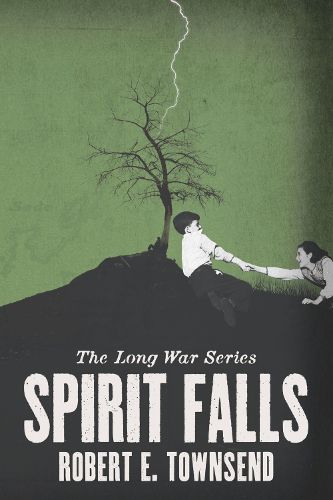
In 1945, the twentieth-century wars paused. After thirty years of episodic slaughter, two nations remained standing: the U.S. and the USSR. Each arm itself with doomsday weapons. Stupored by unrelenting death, sobered under threat of nuclear conflagration, yet another generation groomed for The Long War. For much of the latter half of the twentieth century, the Soviet Union loomed as a brooding presence over American political discourse. To some observers, the Soviet Union was less threatening, to others more, but to all, it was a threat nonetheless. It was a state so obsessed and so successful with secrecy that it was impossible to perceive to what extent the threat against which the U.S. prepared so assiduously existed in reality or only in its fears. This was no accident, as the Communists were wont to say. The flip side of secrecy is deception. The Soviet Union may have had neither intention nor desire to initiate war with the United States; however, its widespread use of deception undercut that assiduously cultivated perception. On one fine day, the Soviet State imploded. Discussions of war between the Soviet Union and the United States, once chilling, disappear from memory. The Long War series examines the Soviet and American post-WWII war of deception through the eyes of four protagonists, who were but children when, in 1947,the Soviet Union designated the United States as 'the main enemy.' Each side sought advantage in a conflict where war was Armageddon. Thus, each sought advantage indirectly, by proxy war or perceptions management: theater, deception, lies, and bluff. RarelyKorea, Vietnam, and Afghanistanwere the main force units committed.
RichardBelisle and his French-Canadian childhood friend, Marie-JeanneCharbonneau, cross paths and cross swords with DantonLarionovand EkaterinaSoroka. They trust and betray one another, give faith and deceive, and become fast friends and bitter enemies, each striving to live within a moral code in an immoral world. The novel series addresses deception in war and peace in a 20th-century world of contrived and real ambiguity.
$9.00 standard shipping within Australia
FREE standard shipping within Australia for orders over $100.00
Express & International shipping calculated at checkout
Stock availability can be subject to change without notice. We recommend calling the shop or contacting our online team to check availability of low stock items. Please see our Shopping Online page for more details.
In 1945, the twentieth-century wars paused. After thirty years of episodic slaughter, two nations remained standing: the U.S. and the USSR. Each arm itself with doomsday weapons. Stupored by unrelenting death, sobered under threat of nuclear conflagration, yet another generation groomed for The Long War. For much of the latter half of the twentieth century, the Soviet Union loomed as a brooding presence over American political discourse. To some observers, the Soviet Union was less threatening, to others more, but to all, it was a threat nonetheless. It was a state so obsessed and so successful with secrecy that it was impossible to perceive to what extent the threat against which the U.S. prepared so assiduously existed in reality or only in its fears. This was no accident, as the Communists were wont to say. The flip side of secrecy is deception. The Soviet Union may have had neither intention nor desire to initiate war with the United States; however, its widespread use of deception undercut that assiduously cultivated perception. On one fine day, the Soviet State imploded. Discussions of war between the Soviet Union and the United States, once chilling, disappear from memory. The Long War series examines the Soviet and American post-WWII war of deception through the eyes of four protagonists, who were but children when, in 1947,the Soviet Union designated the United States as 'the main enemy.' Each side sought advantage in a conflict where war was Armageddon. Thus, each sought advantage indirectly, by proxy war or perceptions management: theater, deception, lies, and bluff. RarelyKorea, Vietnam, and Afghanistanwere the main force units committed.
RichardBelisle and his French-Canadian childhood friend, Marie-JeanneCharbonneau, cross paths and cross swords with DantonLarionovand EkaterinaSoroka. They trust and betray one another, give faith and deceive, and become fast friends and bitter enemies, each striving to live within a moral code in an immoral world. The novel series addresses deception in war and peace in a 20th-century world of contrived and real ambiguity.
Search our extensive online catalogue.
