Readings Newsletter
Become a Readings Member to make your shopping experience even easier.
Sign in or sign up for free!
You’re not far away from qualifying for FREE standard shipping within Australia
You’ve qualified for FREE standard shipping within Australia
The cart is loading…


This title is printed to order. This book may have been self-published. If so, we cannot guarantee the quality of the content. In the main most books will have gone through the editing process however some may not. We therefore suggest that you be aware of this before ordering this book. If in doubt check either the author or publisher’s details as we are unable to accept any returns unless they are faulty. Please contact us if you have any questions.
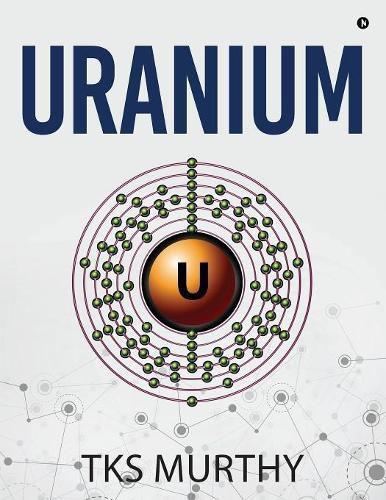
The principal theme of this work is the centrality of Uranium, the main raw material, in the nuclear cycle. The contemporary relevance of the subject for the wider Indian readership cannot be overstated against the backdrop of the enormous public debate around the expansion of the country’s nuclear programme.
One immediate concern when the government negotiated bilateral agreements with other nuclear powers was with their political and strategic dimensions. Inevitably, a broad appreciation of the basic scientific and technological aspects of nuclear energy eluded these discussions. This book fills this knowledge gap in an important manner.
The authors provide a refreshingly dispassionate assessment of the Indian nuclear reality. They underscore the extremely limited availability of Uranium resources and the far from optimal quality of the material, relative to international standards. This important aspect was hardly addressed in the main debate, which was driven by the need to project India’s case for economic growth and energy self-sufficiency. This scenario also exerts a strong bearing upon the future of the Indian nuclear programme, in particular, the country’s continued dependence on Uranium imports from the world’s nuclear powers. Further, the authors offer a scientific and threadbare analysis of the implications of radiation - an area that has pitted the nuclear establishment against environmental groups.
$9.00 standard shipping within Australia
FREE standard shipping within Australia for orders over $100.00
Express & International shipping calculated at checkout
Stock availability can be subject to change without notice. We recommend calling the shop or contacting our online team to check availability of low stock items. Please see our Shopping Online page for more details.
This title is printed to order. This book may have been self-published. If so, we cannot guarantee the quality of the content. In the main most books will have gone through the editing process however some may not. We therefore suggest that you be aware of this before ordering this book. If in doubt check either the author or publisher’s details as we are unable to accept any returns unless they are faulty. Please contact us if you have any questions.
The principal theme of this work is the centrality of Uranium, the main raw material, in the nuclear cycle. The contemporary relevance of the subject for the wider Indian readership cannot be overstated against the backdrop of the enormous public debate around the expansion of the country’s nuclear programme.
One immediate concern when the government negotiated bilateral agreements with other nuclear powers was with their political and strategic dimensions. Inevitably, a broad appreciation of the basic scientific and technological aspects of nuclear energy eluded these discussions. This book fills this knowledge gap in an important manner.
The authors provide a refreshingly dispassionate assessment of the Indian nuclear reality. They underscore the extremely limited availability of Uranium resources and the far from optimal quality of the material, relative to international standards. This important aspect was hardly addressed in the main debate, which was driven by the need to project India’s case for economic growth and energy self-sufficiency. This scenario also exerts a strong bearing upon the future of the Indian nuclear programme, in particular, the country’s continued dependence on Uranium imports from the world’s nuclear powers. Further, the authors offer a scientific and threadbare analysis of the implications of radiation - an area that has pitted the nuclear establishment against environmental groups.
Search our extensive online catalogue.
