Readings Newsletter
Become a Readings Member to make your shopping experience even easier.
Sign in or sign up for free!
You’re not far away from qualifying for FREE standard shipping within Australia
You’ve qualified for FREE standard shipping within Australia
The cart is loading…


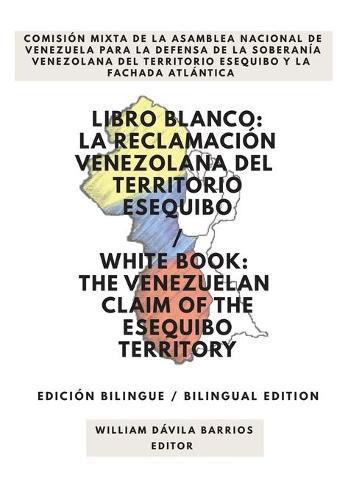
Este libro analiza la posicion de Venezuela en relacion con su reclamo contra Guyana sobre el territorio del Esequibo, de acuerdo con el Acuerdo de Ginebra de 1966, el cual se firmo con el objetivo principal por parte de Venezuela, de lograr un arreglo pacifico, satisfactorio y aceptable para las partes. El fracaso de la Comision Mixta que fue designada conforme a lo que estipulaba el Acuerdo devino en un clima de hostilidad politica creado por Guyana hacia Venezuela, que tuvo como consecuencia la firma del Protocolo de Puerto Espana, en el ano 1970. Ahora bien, una vez culminado el lapso, Venezuela propuso a Guyana la resolucion de la controversia por la via de la negociacion directa, pero esta no acepto, sino que propuso optar por el arreglo judicial ante la Corte Internacional de Justicia, cuestion que fue rechazada por Venezuela. En este caso, las partes solamente han adoptado la figura de los Buenos Oficios para la resolucion de la controversia, omitiendo entonces el resto de los medios de solucion pacifica de controversias contemplados en el articulo 33 de la Carta de las Naciones Unidas, a saber, la negociacion, la investigacion, la mediacion, la conciliacion, el arbitraje, el arreglo judicial, el recurso a organismos o acuerdos regionales u otros medios pacificos de su eleccion. La postura venezolana siempre se ha centrado en el arreglo practico de la controversia, bien sea por la via diplomatica o politica, pero nunca en aceptar la via judicial como metodo de solucion por estar totalmente en contra de la naturaleza del acuerdo, razon por la cual desde la presidencia interina de Juan Guaido y la Asamblea Nacional de Venezuela se han sumado esfuerzos para dejar en claro esta posicion, cuyos avances se exponen en este libro.
The book analyzes the position of Venezuela regarding its claim against Guyana on the Esequibo territory, according to the 1966 Geneva Agreement, which was signed, with the purpose on the part of Venezuela to achieve a peaceful, satisfactory and acceptable arrangement for the parties. The failure of the Mixed Commission, which was appointed in accordance with the provisions of the Agreement, resulted in a climate of political hostility created by Guyana towards Venezuela, which resulted in the signing of the Protocol of Port of Spain in 1970. However, once the period established in the Protocol ended, Venezuela proposed to Guyana the resolution of the controversy through direct negotiation, but Guyana did not accept but proposed to opt for judicial settlement before the International Court of Justice, an issue that was rejected by Venezuela. In this case, the parties have only adopted the figure of the Good Offices for the resolution of the controversy, thus omitting the rest of the means of peaceful solution of controversies contemplated in article 33 of the Charter of United Nations, namely, the negotiation, investigation, mediation, conciliation, arbitration, judicial settlement, recourse to organizations or regional agreements or other peaceful means of their choice. The Venezuelan position has always focused on the practical settlement of the controversy, either through the diplomatic or political route, but never on accepting the judicial route as a method of solution, as it is totally against the nature of the agreement, which is why the interim presidency of Juan Guaido and the National Assembly of Venezuela have joined efforts to make this position clear, the progress of which is set out below, which is reflected in this book.
$9.00 standard shipping within Australia
FREE standard shipping within Australia for orders over $100.00
Express & International shipping calculated at checkout
Stock availability can be subject to change without notice. We recommend calling the shop or contacting our online team to check availability of low stock items. Please see our Shopping Online page for more details.
Este libro analiza la posicion de Venezuela en relacion con su reclamo contra Guyana sobre el territorio del Esequibo, de acuerdo con el Acuerdo de Ginebra de 1966, el cual se firmo con el objetivo principal por parte de Venezuela, de lograr un arreglo pacifico, satisfactorio y aceptable para las partes. El fracaso de la Comision Mixta que fue designada conforme a lo que estipulaba el Acuerdo devino en un clima de hostilidad politica creado por Guyana hacia Venezuela, que tuvo como consecuencia la firma del Protocolo de Puerto Espana, en el ano 1970. Ahora bien, una vez culminado el lapso, Venezuela propuso a Guyana la resolucion de la controversia por la via de la negociacion directa, pero esta no acepto, sino que propuso optar por el arreglo judicial ante la Corte Internacional de Justicia, cuestion que fue rechazada por Venezuela. En este caso, las partes solamente han adoptado la figura de los Buenos Oficios para la resolucion de la controversia, omitiendo entonces el resto de los medios de solucion pacifica de controversias contemplados en el articulo 33 de la Carta de las Naciones Unidas, a saber, la negociacion, la investigacion, la mediacion, la conciliacion, el arbitraje, el arreglo judicial, el recurso a organismos o acuerdos regionales u otros medios pacificos de su eleccion. La postura venezolana siempre se ha centrado en el arreglo practico de la controversia, bien sea por la via diplomatica o politica, pero nunca en aceptar la via judicial como metodo de solucion por estar totalmente en contra de la naturaleza del acuerdo, razon por la cual desde la presidencia interina de Juan Guaido y la Asamblea Nacional de Venezuela se han sumado esfuerzos para dejar en claro esta posicion, cuyos avances se exponen en este libro.
The book analyzes the position of Venezuela regarding its claim against Guyana on the Esequibo territory, according to the 1966 Geneva Agreement, which was signed, with the purpose on the part of Venezuela to achieve a peaceful, satisfactory and acceptable arrangement for the parties. The failure of the Mixed Commission, which was appointed in accordance with the provisions of the Agreement, resulted in a climate of political hostility created by Guyana towards Venezuela, which resulted in the signing of the Protocol of Port of Spain in 1970. However, once the period established in the Protocol ended, Venezuela proposed to Guyana the resolution of the controversy through direct negotiation, but Guyana did not accept but proposed to opt for judicial settlement before the International Court of Justice, an issue that was rejected by Venezuela. In this case, the parties have only adopted the figure of the Good Offices for the resolution of the controversy, thus omitting the rest of the means of peaceful solution of controversies contemplated in article 33 of the Charter of United Nations, namely, the negotiation, investigation, mediation, conciliation, arbitration, judicial settlement, recourse to organizations or regional agreements or other peaceful means of their choice. The Venezuelan position has always focused on the practical settlement of the controversy, either through the diplomatic or political route, but never on accepting the judicial route as a method of solution, as it is totally against the nature of the agreement, which is why the interim presidency of Juan Guaido and the National Assembly of Venezuela have joined efforts to make this position clear, the progress of which is set out below, which is reflected in this book.
Search our extensive online catalogue.
