



The Case of the Slave-Child, Med: Free Soil in Antislavery Boston
Karen Woods Weierman
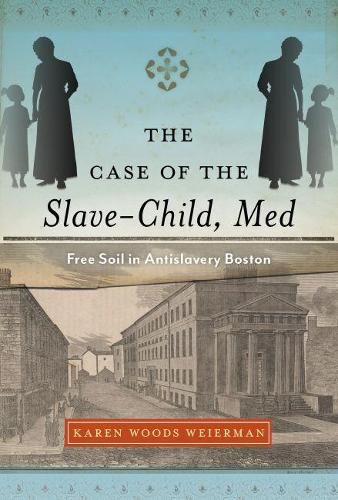
The Case of the Slave-Child, Med: Free Soil in Antislavery Boston
Karen Woods Weierman
In 1836, an enslaved six-year-old girl Named Med was brought to Boston by a woman from New Orleans who claimed her as property. Learning of the girl’s arrival in the city, the Boston Female Anti-Slavery Society (BFASS) waged a legal fight to secure her freedom and affirm the free soil of MassachuSetts. While Chief Justice Lemuel Shaw ruled quite narrowly in the case that enslaved people brought to MassachuSetts could not be held against their will, BFASS claimed a broad victory for the abolitionist cause, and Med was released to the care of a local institution. When she died two years later, celebration quickly turned to silence, and her story was soon forgotten. As a result, Commonwealth v. Aves is little known outside of legal scholarship. In this book, Karen Woods Weierman complicates Boston’s identity as the birthplace of abolition and the cradle of liberty, and restores Med to her rightful place in antislavery history by situating her story in the context of other writings on slavery, childhood, and the law.
This item is not currently in-stock. It can be ordered online and is expected to ship in approx 2 weeks
Our stock data is updated periodically, and availability may change throughout the day for in-demand items. Please call the relevant shop for the most current stock information. Prices are subject to change without notice.
Sign in or become a Readings Member to add this title to a wishlist.