Readings Newsletter
Become a Readings Member to make your shopping experience even easier.
Sign in or sign up for free!
You’re not far away from qualifying for FREE standard shipping within Australia
You’ve qualified for FREE standard shipping within Australia
The cart is loading…


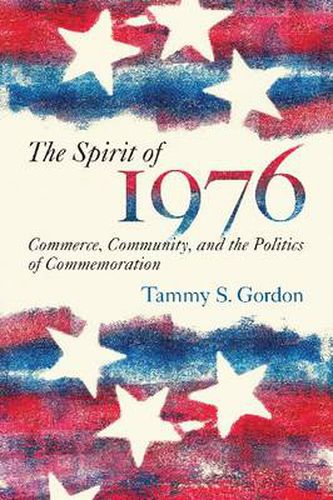
The most important national commemoration of the twentieth century, the 1976 bicentennial celebration gave rise to a broad-ranging debate over how the American Revolution should be remembered and represented. Federal planners seeking an uncritical glorification of the nation’s founding came up against an array of constituencies with other interests and objectives. Inspired by the new social history that looked at the past from the bottom up, Americans who had previously been disenfranchised by traditional national narratives – African Americans, women, American Indians, workers, young people – demanded a voice and representation in the planning. Local communities, similarly suspicious of federal direction, sought control over their own bicentennial events. Corporate representatives promoted an approach that championed the convergence of patriotism and private enterprise, while commercial interests applied the marketing techniques of an expanding consumerism to hawk every imaginable kind of patriotic souvenir to all of these groups.
The end result of these competing efforts, Tammy S. Gordon shows, was a national celebration that reflected some common themes, including a mistrust of federal power, an embrace of decentralized authority, and a new cultural emphasis on the importance of the self. The American Revolution Bicentennial can thus be seen as both a product of the social and political changes of the 1960s and a harbinger of things to come. After 1976, the postwar myth of a consensus view of American history came to an end, ensuring that future national commemorations would continue to be contested.
$9.00 standard shipping within Australia
FREE standard shipping within Australia for orders over $100.00
Express & International shipping calculated at checkout
Stock availability can be subject to change without notice. We recommend calling the shop or contacting our online team to check availability of low stock items. Please see our Shopping Online page for more details.
The most important national commemoration of the twentieth century, the 1976 bicentennial celebration gave rise to a broad-ranging debate over how the American Revolution should be remembered and represented. Federal planners seeking an uncritical glorification of the nation’s founding came up against an array of constituencies with other interests and objectives. Inspired by the new social history that looked at the past from the bottom up, Americans who had previously been disenfranchised by traditional national narratives – African Americans, women, American Indians, workers, young people – demanded a voice and representation in the planning. Local communities, similarly suspicious of federal direction, sought control over their own bicentennial events. Corporate representatives promoted an approach that championed the convergence of patriotism and private enterprise, while commercial interests applied the marketing techniques of an expanding consumerism to hawk every imaginable kind of patriotic souvenir to all of these groups.
The end result of these competing efforts, Tammy S. Gordon shows, was a national celebration that reflected some common themes, including a mistrust of federal power, an embrace of decentralized authority, and a new cultural emphasis on the importance of the self. The American Revolution Bicentennial can thus be seen as both a product of the social and political changes of the 1960s and a harbinger of things to come. After 1976, the postwar myth of a consensus view of American history came to an end, ensuring that future national commemorations would continue to be contested.
Search our extensive online catalogue.
