Readings Newsletter
Become a Readings Member to make your shopping experience even easier.
Sign in or sign up for free!
You’re not far away from qualifying for FREE standard shipping within Australia
You’ve qualified for FREE standard shipping within Australia
The cart is loading…


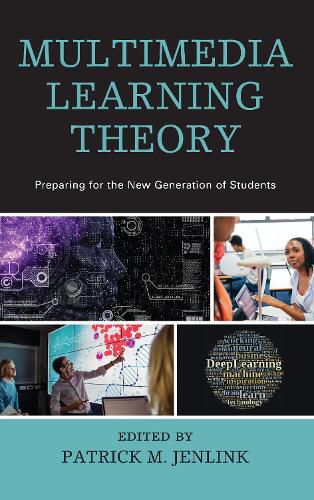
This book offers a primary focus on the meaning and importance of multimedia learning theory and is application in educator preparation. Integrating multimedia learning theory into preparing the next generation of educators for their role in the education of the next generation of students is presented as an important consideration for the future of our educational systems and society. As the use of digital technologies and Web 2.0 becomes more prevalent and the world becomes more infused with multimedia, it is important to ask to what extent, if at all, such developments change the forms and nature of knowledge. Teaching and learning in this digital, multimedia environment is increasingly challenged as the neomillennial generation enters schools and colleges having grown up with digital technologies defining their culture and shaping their cognitive and social interactions. Multimedia, for the neomillennial generation, is deeply embedded in their sensory and cognitive patterns; the neomillennials see and understand media in more sophisticated ways than their parents and the generations of society that preceded them.
$9.00 standard shipping within Australia
FREE standard shipping within Australia for orders over $100.00
Express & International shipping calculated at checkout
Stock availability can be subject to change without notice. We recommend calling the shop or contacting our online team to check availability of low stock items. Please see our Shopping Online page for more details.
This book offers a primary focus on the meaning and importance of multimedia learning theory and is application in educator preparation. Integrating multimedia learning theory into preparing the next generation of educators for their role in the education of the next generation of students is presented as an important consideration for the future of our educational systems and society. As the use of digital technologies and Web 2.0 becomes more prevalent and the world becomes more infused with multimedia, it is important to ask to what extent, if at all, such developments change the forms and nature of knowledge. Teaching and learning in this digital, multimedia environment is increasingly challenged as the neomillennial generation enters schools and colleges having grown up with digital technologies defining their culture and shaping their cognitive and social interactions. Multimedia, for the neomillennial generation, is deeply embedded in their sensory and cognitive patterns; the neomillennials see and understand media in more sophisticated ways than their parents and the generations of society that preceded them.
Search our extensive online catalogue.
