Readings Newsletter
Become a Readings Member to make your shopping experience even easier.
Sign in or sign up for free!
You’re not far away from qualifying for FREE standard shipping within Australia
You’ve qualified for FREE standard shipping within Australia
The cart is loading…


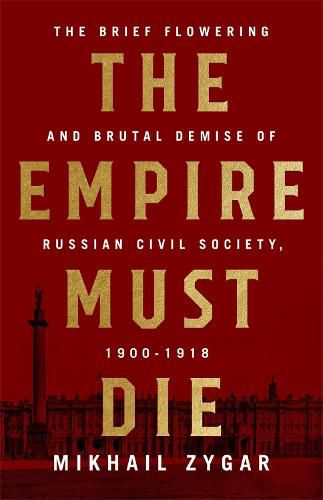
THE EMPIRE MUST DIE portrays the vivid drama of Russia’s brief and exotic experiment with civil society before it was swept away by the despotism of the Communist Revolution. The window between two equally stifling autocracies - the imperial family and the communists - was open only briefly, in the last couple of years of the 19th century until the end of WWI, by which time the revolution was in full fury.
From the last years of Tolstoy until the death of the Tsar and his family, however, Russia experimented with liberalism and cultural openness. In Europe, the Ballet Russe was the height of chic. Novelists and playwrights blossomed, political ideas were swapped in coffee houses and St Petersburg felt briefly like Vienna or Paris. The state, however couldn’t tolerate such experimentation against the backdrop of a catastrophic war and a failing economy. The autocrats moved in and the liberals were overwhelmed. This story seems to have strangely prescient echoes of the present.
$9.00 standard shipping within Australia
FREE standard shipping within Australia for orders over $100.00
Express & International shipping calculated at checkout
Stock availability can be subject to change without notice. We recommend calling the shop or contacting our online team to check availability of low stock items. Please see our Shopping Online page for more details.
THE EMPIRE MUST DIE portrays the vivid drama of Russia’s brief and exotic experiment with civil society before it was swept away by the despotism of the Communist Revolution. The window between two equally stifling autocracies - the imperial family and the communists - was open only briefly, in the last couple of years of the 19th century until the end of WWI, by which time the revolution was in full fury.
From the last years of Tolstoy until the death of the Tsar and his family, however, Russia experimented with liberalism and cultural openness. In Europe, the Ballet Russe was the height of chic. Novelists and playwrights blossomed, political ideas were swapped in coffee houses and St Petersburg felt briefly like Vienna or Paris. The state, however couldn’t tolerate such experimentation against the backdrop of a catastrophic war and a failing economy. The autocrats moved in and the liberals were overwhelmed. This story seems to have strangely prescient echoes of the present.
Search our extensive online catalogue.
