Readings Newsletter
Become a Readings Member to make your shopping experience even easier.
Sign in or sign up for free!
You’re not far away from qualifying for FREE standard shipping within Australia
You’ve qualified for FREE standard shipping within Australia
The cart is loading…


This title is printed to order. This book may have been self-published. If so, we cannot guarantee the quality of the content. In the main most books will have gone through the editing process however some may not. We therefore suggest that you be aware of this before ordering this book. If in doubt check either the author or publisher’s details as we are unable to accept any returns unless they are faulty. Please contact us if you have any questions.
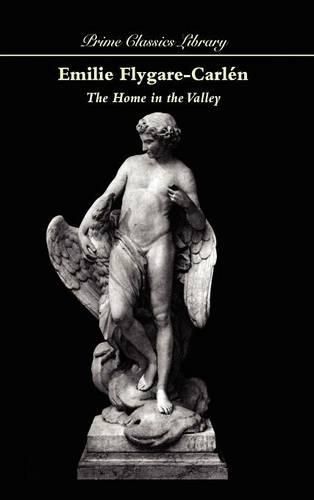
In her writings Mrs. Carlen (1809-1892) exhibited a versatility which may be considered remarkable. While in one book she revelled in descriptions of home-scenes and characters, in another she presented her readers with events and incidents that bore a strong resemblance to the startling and melodramatic productions of many of the romance writers of France. This peculiarity, however, may be accounted for by the fact that she wrote-as she herself confessed-entirely from impulse. When her mind was clouded by sorrow-and she had been oppressed with many bitter griefs-she sought to remove the cause of her despondency by creating a hero or heroine, afflicted like herself, and following this individual through a train of circumstances which, she imagined, would naturally occur during a life of continued gloom and sorrow. On the other hand, when life appeared bright and beautiful to her, then she told a tale of joy; a story of domestic life, for where does pure happiness exist except at the fireside at home? It must have been during one of these bright intervals of her life that Mrs. Carlen wrote The Home in the Valley, for the work is a continued description of the delights of home, which, although occasionally obscured by grief, and in some instances, by folly, are rendered still more precious by their brief absence. Translated from the original Swedish by Elbert Perce.
$9.00 standard shipping within Australia
FREE standard shipping within Australia for orders over $100.00
Express & International shipping calculated at checkout
Stock availability can be subject to change without notice. We recommend calling the shop or contacting our online team to check availability of low stock items. Please see our Shopping Online page for more details.
This title is printed to order. This book may have been self-published. If so, we cannot guarantee the quality of the content. In the main most books will have gone through the editing process however some may not. We therefore suggest that you be aware of this before ordering this book. If in doubt check either the author or publisher’s details as we are unable to accept any returns unless they are faulty. Please contact us if you have any questions.
In her writings Mrs. Carlen (1809-1892) exhibited a versatility which may be considered remarkable. While in one book she revelled in descriptions of home-scenes and characters, in another she presented her readers with events and incidents that bore a strong resemblance to the startling and melodramatic productions of many of the romance writers of France. This peculiarity, however, may be accounted for by the fact that she wrote-as she herself confessed-entirely from impulse. When her mind was clouded by sorrow-and she had been oppressed with many bitter griefs-she sought to remove the cause of her despondency by creating a hero or heroine, afflicted like herself, and following this individual through a train of circumstances which, she imagined, would naturally occur during a life of continued gloom and sorrow. On the other hand, when life appeared bright and beautiful to her, then she told a tale of joy; a story of domestic life, for where does pure happiness exist except at the fireside at home? It must have been during one of these bright intervals of her life that Mrs. Carlen wrote The Home in the Valley, for the work is a continued description of the delights of home, which, although occasionally obscured by grief, and in some instances, by folly, are rendered still more precious by their brief absence. Translated from the original Swedish by Elbert Perce.
Search our extensive online catalogue.
