Readings Newsletter
Become a Readings Member to make your shopping experience even easier.
Sign in or sign up for free!
You’re not far away from qualifying for FREE standard shipping within Australia
You’ve qualified for FREE standard shipping within Australia
The cart is loading…


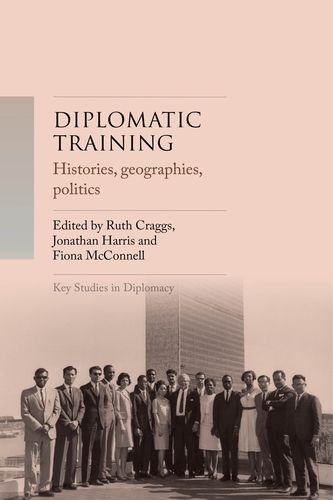
Despite the essential role diplomatic training plays in the everyday workings of international relations, international law and in the various multilateral organisations, this practice has received little critical attention in the humanities, social and political sciences. Bringing together detailed accounts of the histories, development and contemporary practices of diplomatic training with insights from key practitioners, this edited collection places training centrally within our understanding of international relations. It argues that diplomatic training both reflects and reproduces hegemonic power relations, whilst at the same time offering opportunities to contest them, and imagine alternative futures. The book includes a substantive introduction, nine full-length chapters from a range of disciplinary and regional perspectives drawing on archival research, oral history, interviews, and ethnographic methods, and four 'interventions': reflection pieces from trainers and directors of training programmes. It offers a globe-spanning, interdisciplinary account of the politics of diplomatic training and appeals to both scholarly and practitioner audiences.
$9.00 standard shipping within Australia
FREE standard shipping within Australia for orders over $100.00
Express & International shipping calculated at checkout
Stock availability can be subject to change without notice. We recommend calling the shop or contacting our online team to check availability of low stock items. Please see our Shopping Online page for more details.
Despite the essential role diplomatic training plays in the everyday workings of international relations, international law and in the various multilateral organisations, this practice has received little critical attention in the humanities, social and political sciences. Bringing together detailed accounts of the histories, development and contemporary practices of diplomatic training with insights from key practitioners, this edited collection places training centrally within our understanding of international relations. It argues that diplomatic training both reflects and reproduces hegemonic power relations, whilst at the same time offering opportunities to contest them, and imagine alternative futures. The book includes a substantive introduction, nine full-length chapters from a range of disciplinary and regional perspectives drawing on archival research, oral history, interviews, and ethnographic methods, and four 'interventions': reflection pieces from trainers and directors of training programmes. It offers a globe-spanning, interdisciplinary account of the politics of diplomatic training and appeals to both scholarly and practitioner audiences.
Search our extensive online catalogue.
