Readings Newsletter
Become a Readings Member to make your shopping experience even easier.
Sign in or sign up for free!
You’re not far away from qualifying for FREE standard shipping within Australia
You’ve qualified for FREE standard shipping within Australia
The cart is loading…


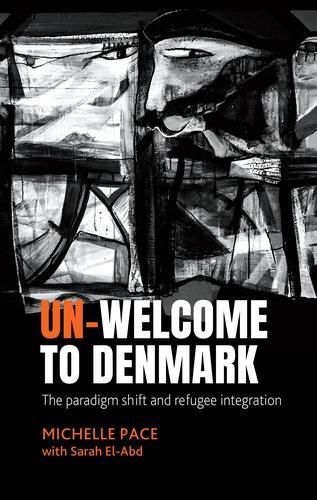
Un-welcome to Denmark, by Michelle Pace with Sarah El-Abd, critically assesses Denmark's migration regime by directly engaging the voices of multiple stakeholders impacted by its harshness. It puts forward the theory of the 'unwelcome migrant' by undertaking an extensive analysis of the programmatic and legal foundations for the 'undeserving migrant' as well as of the lived experiences of Syrian refugees, welfare professionals and private businesses tasked with supporting them. It thereby documents the ways in which the Danish migration gaze produces and perpetuates the hyper precarity of the everyday lives of Syrians and the anxiety that overshadows the manner in which Syrians and those who support them navigate its maze. By so doing, it traces how a once admired, liberal, tolerant and open society with a strong reverence for human rights has turned into one of the harshest migration regimes in Europe, if not internationally.
$9.00 standard shipping within Australia
FREE standard shipping within Australia for orders over $100.00
Express & International shipping calculated at checkout
Stock availability can be subject to change without notice. We recommend calling the shop or contacting our online team to check availability of low stock items. Please see our Shopping Online page for more details.
Un-welcome to Denmark, by Michelle Pace with Sarah El-Abd, critically assesses Denmark's migration regime by directly engaging the voices of multiple stakeholders impacted by its harshness. It puts forward the theory of the 'unwelcome migrant' by undertaking an extensive analysis of the programmatic and legal foundations for the 'undeserving migrant' as well as of the lived experiences of Syrian refugees, welfare professionals and private businesses tasked with supporting them. It thereby documents the ways in which the Danish migration gaze produces and perpetuates the hyper precarity of the everyday lives of Syrians and the anxiety that overshadows the manner in which Syrians and those who support them navigate its maze. By so doing, it traces how a once admired, liberal, tolerant and open society with a strong reverence for human rights has turned into one of the harshest migration regimes in Europe, if not internationally.
Search our extensive online catalogue.
